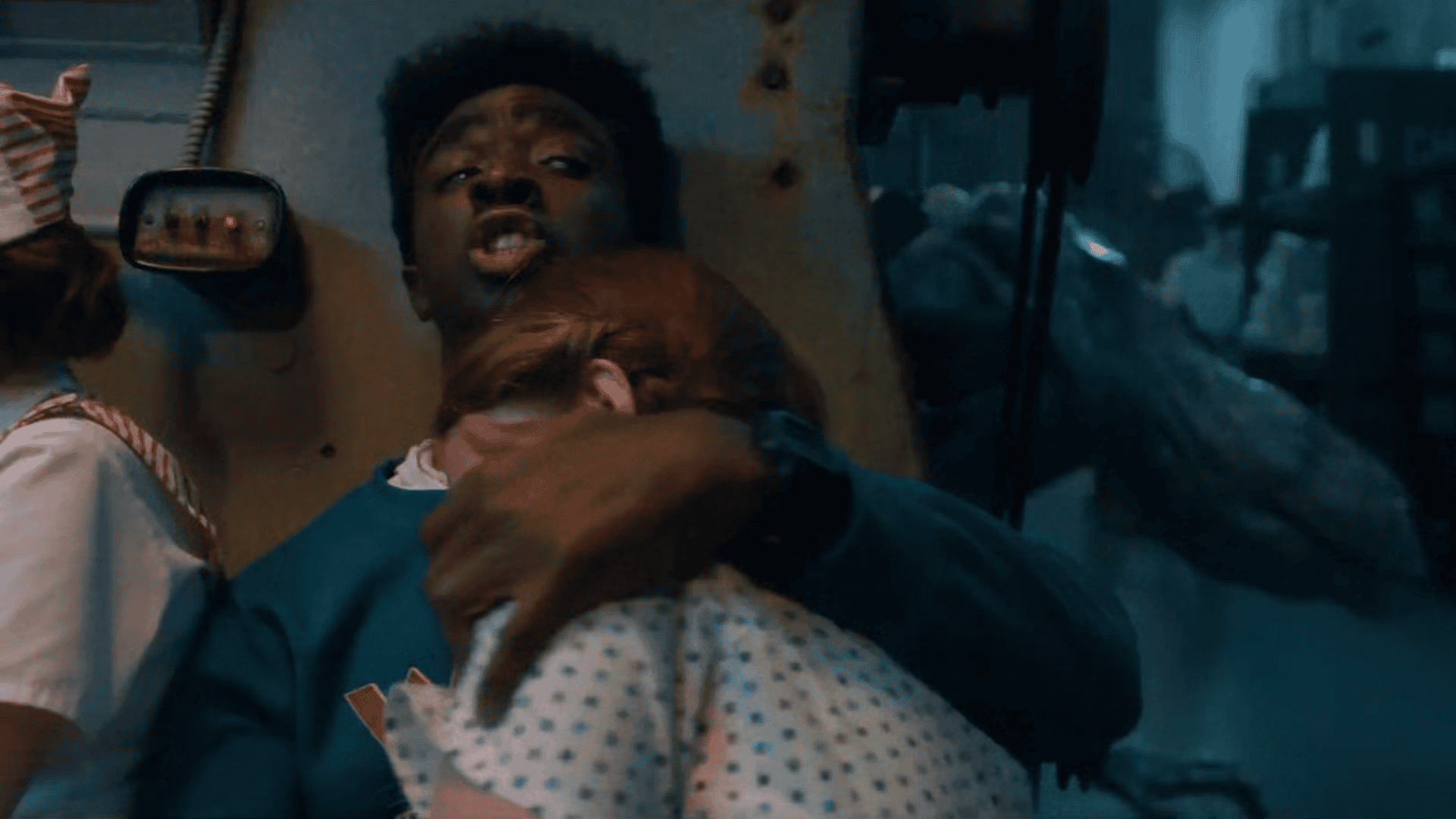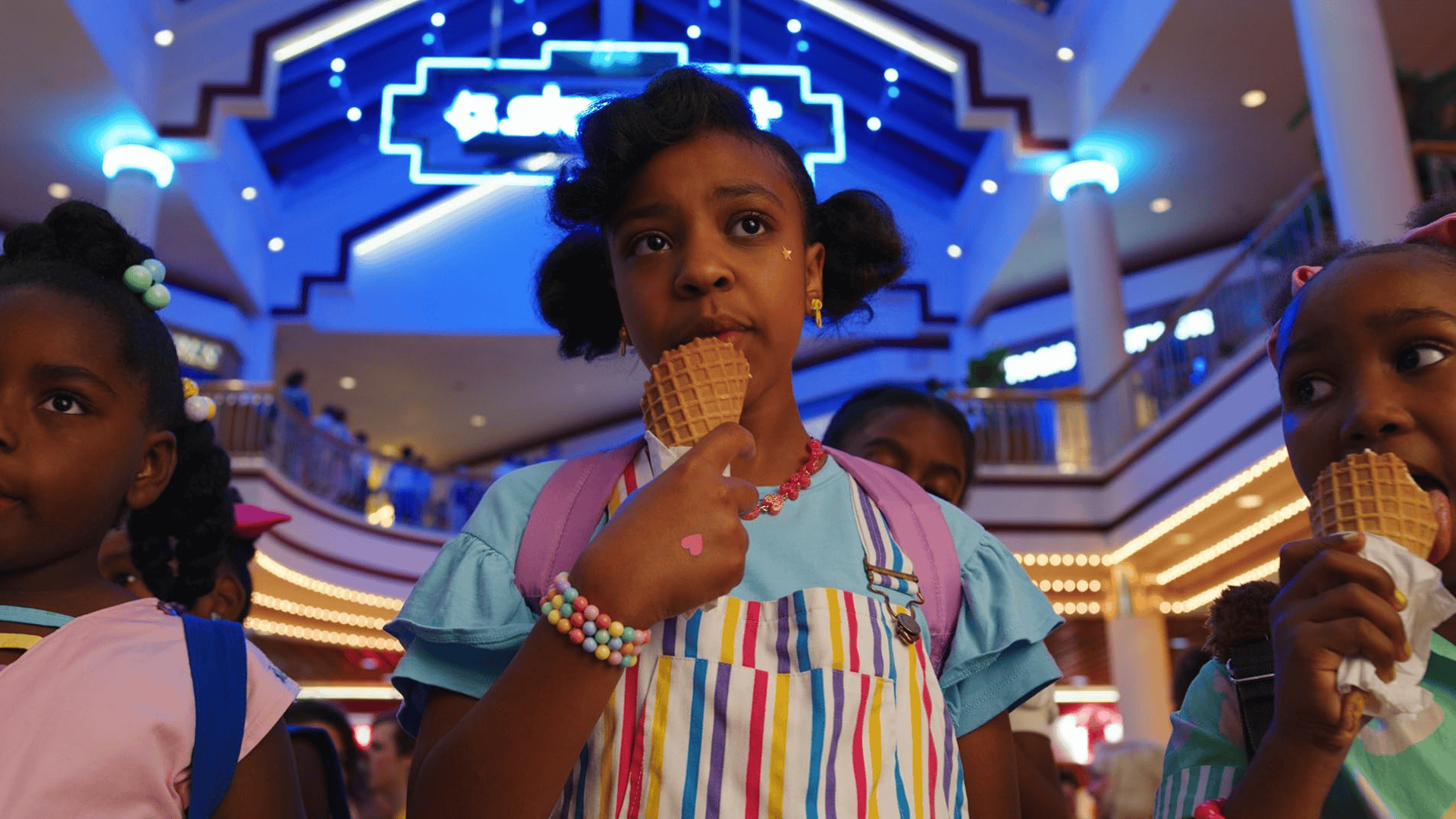
Let’s set the scene: It’s July 2016. The world’s biggest streaming platform has just dropped a mysterious new series about a missing boy, a girl with a shaved head, and a small town filled with flickering lights and government secrets. Nobody could quite pronounce the creators’ names yet (the Duffer Brothers, of course), and the trailer looked like E.T. had wandered into The X-Files. But something about Stranger Things felt… different.
Within days, word spread like wildfire across social media. Viewers who stumbled upon the show’s haunting synth score and nostalgic 1980s aesthetic found themselves binge-watching the entire first season before they could even say “Friends don’t lie.” What followed was nothing short of a cultural eruption.
According to Symphony Technology Group, which used audio recognition software installed on mobile devices to monitor viewing patterns, approximately 14.07 million adults aged 18 to 49 in the United States tuned in to Stranger Things Season 1 during its first 35 days. That’s nearly as many people as tuned in for hit network dramas like The Walking Dead or Game of Thrones at their peaks. For a new Netflix Original in 2016, those numbers were astronomical.
To put that in perspective, Stranger Things wasn’t just another sleeper hit—it was Netflix’s third most-watched debut of any original series in the U.S. at the time, trailing only Fuller House Season 1 and Orange Is the New Black Season 4. For a sci-fi show starring mostly unknown child actors, this was groundbreaking. The small-town tale of missing children, government conspiracies, and Demogorgon horror had officially become a nationwide obsession.
Now, here’s where things get interesting. Back in 2016, Netflix was notoriously tight-lipped about its viewing statistics. Unlike traditional broadcasters, the streaming giant didn’t release ratings, preferring to maintain an air of mystery around what constituted a “hit.” This secrecy, while frustrating for analysts, created a kind of mythology around Stranger Things.
So when Symphony Technology Group—a data analytics firm known for its unconventional methods—revealed those staggering numbers, the internet collectively lost its mind. Using a software app that picked up inaudible audio cues from TV shows playing in the background, Symphony could estimate viewership patterns across Netflix’s elusive catalogue.
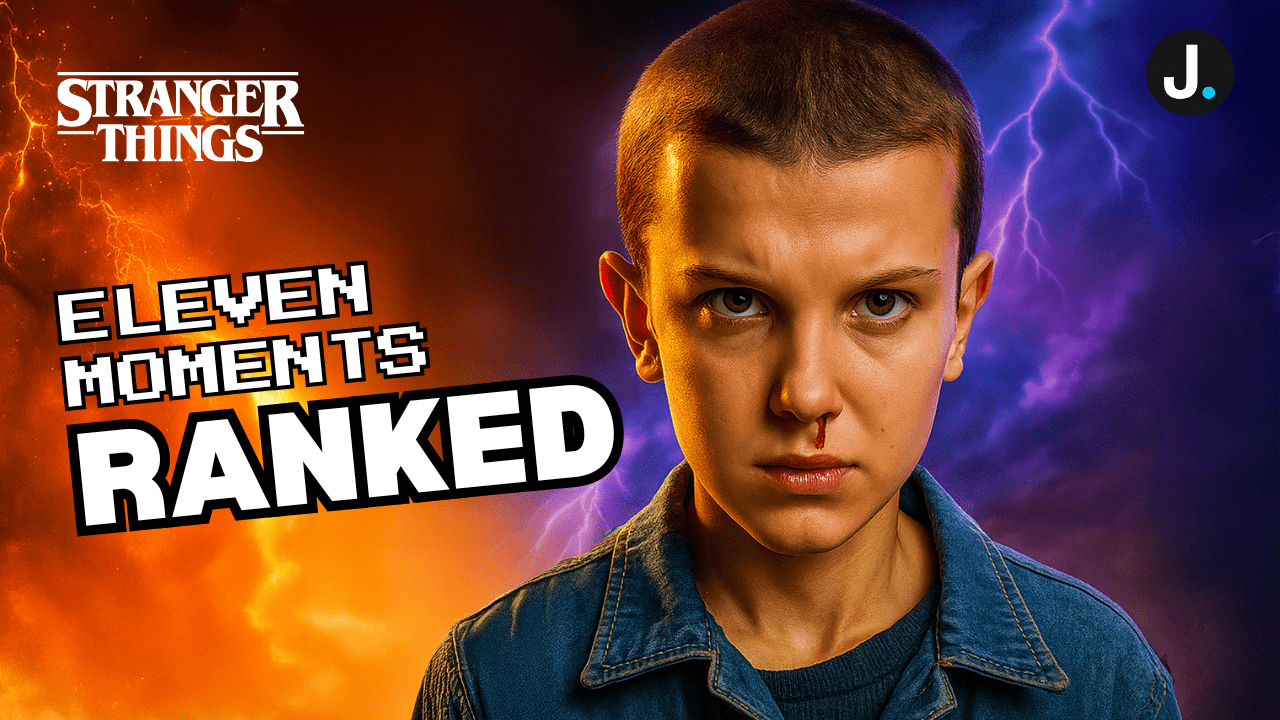
Their findings confirmed what everyone already suspected: Stranger Things wasn’t just popular—it was a phenomenon. The show’s mix of 1980s nostalgia, heartfelt performances, and otherworldly horror had struck a cultural nerve. Fans couldn’t stop talking about the show’s eerie aesthetic, its Spielbergian spirit, and of course, Millie Bobby Brown’s mesmerising performance as Eleven—a girl whose shaved head and telekinetic powers became instantly iconic.
The Duffer Brothers’ creation had done the impossible: it bridged generations. Parents who grew up on The Goonies and Stand by Me found themselves watching alongside their children, while millennials and Gen Z viewers marvelled at the retro setting and the emotional storytelling.
At the time, the binge-watch model was still a relatively new phenomenon. But Stranger Things perfected it. According to later Netflix data, a jaw-dropping 70% of viewers who watched Episode 2 went on to complete the entire season. That’s not just loyalty—it’s addiction. The show’s pacing, cliffhangers, and emotional resonance created a viewing experience designed for total immersion.
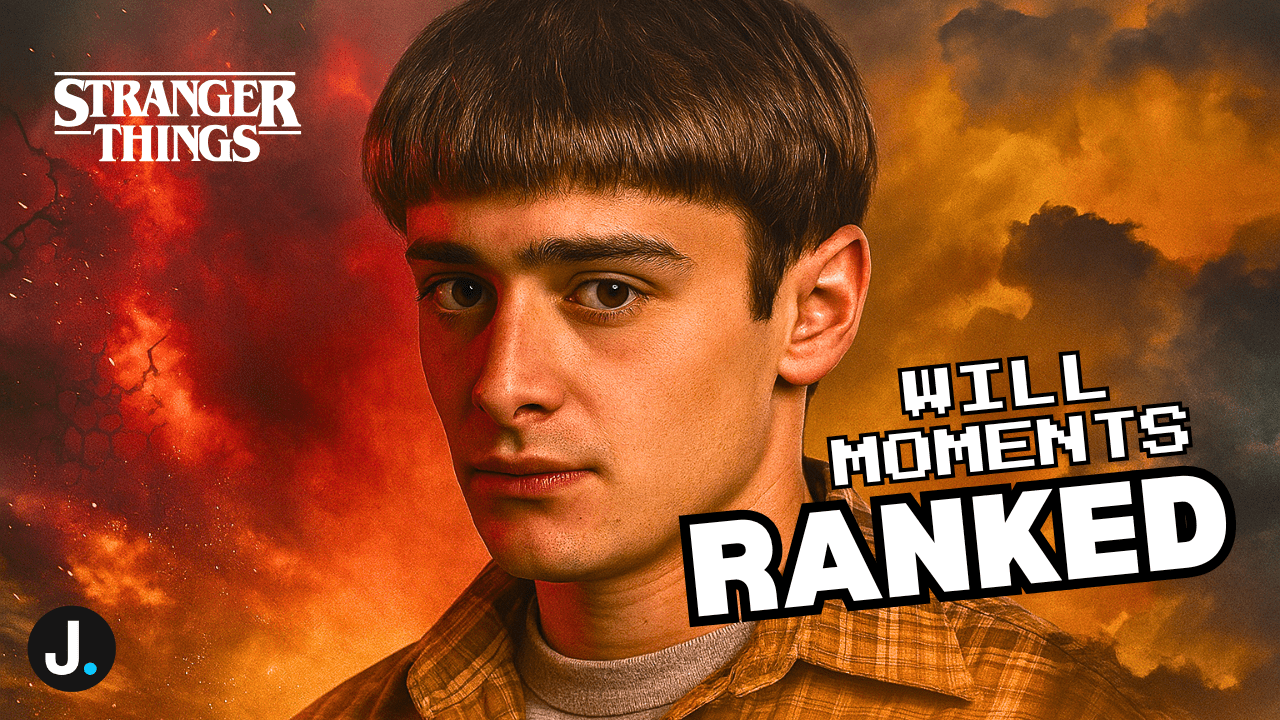
Fans were hooked from the moment Will Byers disappeared into the Upside Down. Every flicker of a Christmas light and every echo of that synth-heavy theme pulled audiences deeper into Hawkins’ web of mystery. It wasn’t just another streaming show—it was an event.
Stranger Things: How a Small-Town Sci-Fi Show Became a Global Obsession
What made Stranger Things such a lightning-in-a-bottle success wasn’t only its numbers, but the way it made people feel. The show arrived at a perfect cultural moment—when audiences were craving sincerity, nostalgia, and a story that mixed fantasy with heart.
The 1980s backdrop wasn’t window dressing; it was the emotional spine of the show. The rotary phones, the BMX bikes, the Dungeons & Dragons campaigns—it all fed into a world that felt both fantastical and comfortingly familiar. The Duffers understood that the magic of storytelling lies in universality. Everyone, regardless of age, could relate to the feeling of being young and misunderstood in a world that doesn’t quite believe you.
At the centre of it all was Eleven. Millie Bobby Brown, just 12 years old at the time, gave a performance that felt both raw and transcendent. She barely spoke, but every look and gesture conveyed volumes. Her friendship with Mike Wheeler (Finn Wolfhard) became the emotional heartbeat of the series, anchoring the sci-fi spectacle in something deeply human.
Then there was Winona Ryder—a name synonymous with 80s cinema—delivering a powerhouse performance as Joyce Byers, the frantic mother who would do anything to find her son. Her casting wasn’t just nostalgic fan service; it was a masterstroke. Ryder became the emotional anchor for older viewers, symbolising the bridge between the past and the present.
And let’s not forget the music. That hypnotic synth theme by Kyle Dixon and Michael Stein became instantly recognisable, conjuring both dread and wonder. Songs like Should I Stay or Should I Go by The Clash and Heroes by David Bowie were used to devastating emotional effect, merging classic sound with modern storytelling.
The result? Stranger Things didn’t merely tap into nostalgia—it reinvented it. It made the 1980s cool again for a generation who’d never seen a cassette tape in their lives. Mall culture, arcade games, mixtapes, and walkie-talkies became symbols of shared connection in a digital age.
Pop culture responded in kind. Merch flew off the shelves. Halloween 2016 was a sea of Elevens and Demogorgons. Fan theories flooded Reddit. Memes exploded across Twitter. For months, Stranger Things became a language of its own—an internet dialect built on waffles, nosebleeds, and the phrase “Friends don’t lie.”
Fast-forward nearly a decade, and Stranger Things remains the crown jewel of Netflix’s empire. But none of that longevity would exist without the foundation laid in that first season—the lightning strike of 14.07 million viewers who said, “Let’s see what this is about,” and never looked back.
Those early numbers didn’t just measure viewership—they measured trust. Audiences trusted the Duffers’ vision, trusted these young actors, and trusted Netflix to deliver something cinematic from their living rooms. And Netflix, for its part, recognised the gold it had struck. The success of Stranger Things reshaped the company’s strategy, pushing it to invest heavily in original, event-style programming that prioritised quality and cultural resonance over quantity.
The show also redefined what a “blockbuster” could look like in the streaming era. It didn’t rely on A-list stars or massive budgets to succeed—it relied on storytelling, emotion, and heart. It became proof that genuine creative passion could break through even in a crowded digital landscape.
And then there’s that all-important metric: engagement. The figure that 70% of viewers who reached Episode 2 watched the entire season tells us something vital about the psychology of modern viewing. Audiences crave emotional payoff. They want arcs that evolve, characters that feel lived-in, and mysteries that keep them guessing. Stranger Things mastered the art of giving viewers just enough answers to stay satisfied, while leaving enough unanswered questions to keep them hooked.
As the series now prepares for its grand finale—Stranger Things 5, set to premiere in November 2025—the legacy of Season 1 looms large. Without that initial spark, that perfect blend of mystery and warmth, none of what followed would have been possible. Every jaw-dropping moment, every tear, every fan theory—all of it began with those first 14 million viewers who pressed play in the summer of 2016.
The show’s influence extends far beyond Hawkins, too. You can see its DNA in countless other series—from The Umbrella Academy to Locke & Key—all of which owe a debt to the Duffers’ blend of youthful adventure and supernatural horror. Even the aesthetic of the 1980s, which has dominated pop culture for nearly a decade, can trace much of its resurgence back to Stranger Things.
And yet, despite its success, the heart of the show remains disarmingly simple. It’s about love, friendship, fear, and courage. It’s about kids who refuse to give up when the world turns upside down. It’s about parents who will tear holes in the fabric of reality to save their children.
That’s why, when people talk about Stranger Things, they don’t just talk about the monsters or the portals. They talk about that feeling—the sense that something truly magical happens when good storytelling meets good timing.
Looking back now, it’s almost surreal to think that a show that started with a missing boy and some flickering fairy lights would grow into one of the most influential series of the 21st century. But Stranger Things did more than capture attention—it changed behaviour. It turned television into an event again. It united fans in a global conversation. And it redefined what streaming could achieve.
Fourteen million people watched the first season in its opening month. Seventy per cent of them couldn’t stop until it was over. Nearly a decade later, millions more are still talking, theorising, and counting the days until the fifth and final season lands.
That’s the power of Hawkins. That’s the power of Eleven. And that’s the power of a story told at exactly the right time, in exactly the right way.
So as the countdown to Stranger Things 5 continues, it’s worth remembering how it all began: a mysterious girl, a missing boy, and 14.07 million viewers who found themselves pulled into the Upside Down—and never wanted to leave.