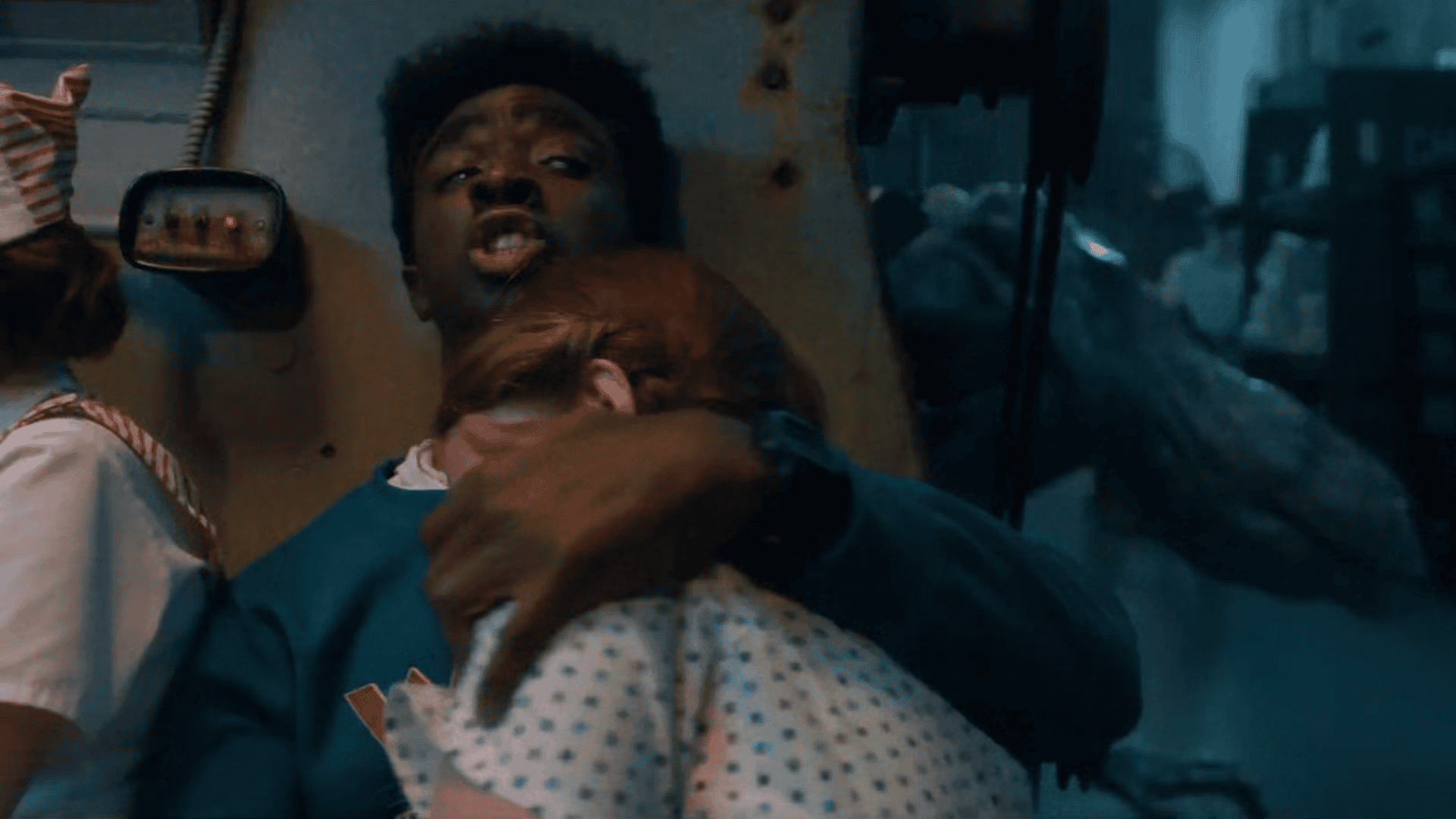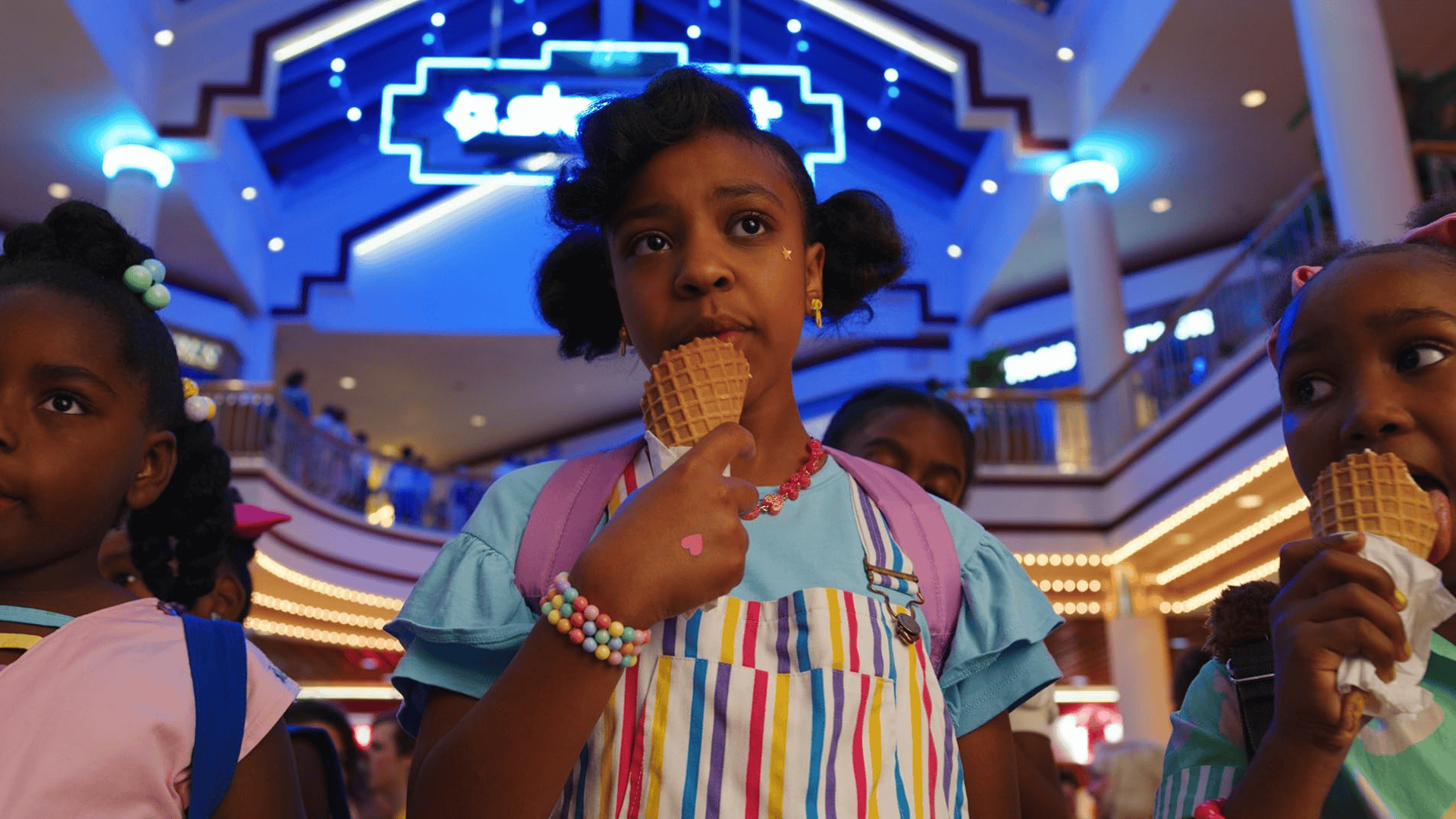
When Stranger Things 3 landed on Netflix in July 2019, the world collectively hit “play” and didn’t stop until the credits rolled. The summer belonged to Hawkins, Indiana, and the gang who had grown up before our very eyes — Eleven, Mike, Lucas, Max, Dustin, and the ever-lovable Steve Harrington — now caught between mall jobs, crushes, and monsters that looked like they’d crawled straight out of The Thing.
Netflix, never one to undersell success, proudly announced that over 40.7 million accounts had watched at least 70% of one episode within the first four days. That’s nearly the entire population of Spain glued to their screens for a supernatural summer adventure soaked in neon lights and synth beats. Even more jaw-dropping, 18.2 million of those viewers had finished the entire season within that same time frame. Forget sleep — Hawkins had returned, and nobody was logging off until they’d seen what the Mind Flayer was up to this time.
By October, the numbers had ballooned. 64 million households had devoured the entire season within its first month. In the age of social media spoilers and the compulsive need to stay culturally caught up, Stranger Things 3 was the event of the year — part nostalgia trip, part watercooler sensation, and part emotional rollercoaster that made us laugh, cry, and maybe crave a Scoops Ahoy sundae.
The Duffer Brothers’ creation had evolved from a cult favourite to a global cultural force, redefining the binge-watching experience for millions. If Game of Thrones was the weekly fantasy ritual, Stranger Things was the wild, cinematic Netflix fiesta — something you inhaled, talked about obsessively, and rewatched immediately.
How Stranger Things 3 Changed Television Forever
Let’s face it — before Stranger Things, Netflix was already a household name. But the third season marked the moment it became a ritual. You didn’t just watch it; you participated. The numbers alone are dizzying, but they represent something deeper: a seismic shift in how audiences consume television.
When Netflix reported that over 18 million households binged all eight episodes in four days, it wasn’t just bragging rights. It was proof of a new kind of fandom — one fuelled by shared anticipation, mass consumption, and collective obsession. Gone were the days of week-to-week cliffhangers. In 2019, the “binge drop” was the new cinematic event.
And Stranger Things 3 wasn’t just another streaming hit — it became a cultural calendar moment. The July 4th release date, with its fireworks and mall-set mayhem, turned the summer into a Hawkins holiday. Fans dressed as Eleven and Hopper for themed parties. Brands from Coca-Cola to Burger King launched tie-ins (who could forget the “Upside Down Whopper”?). Even Fortnite jumped on the bandwagon with Stranger Things skins and portals appearing in-game.
It’s easy to forget how much of the Stranger Things 3 phenomenon was powered by the 1980s aesthetic — pastel mall corridors, synth-laden soundtracks, and a sense of cinematic wonder borrowed from Steven Spielberg, John Carpenter, and Stephen King. The Duffer Brothers managed to make nostalgia feel new again. Every frame was a love letter to The Goonies, E.T., and Stand by Me, yet it all felt distinctly modern — an emotional blend of adventure and anxiety that reflected the chaos of adolescence itself.
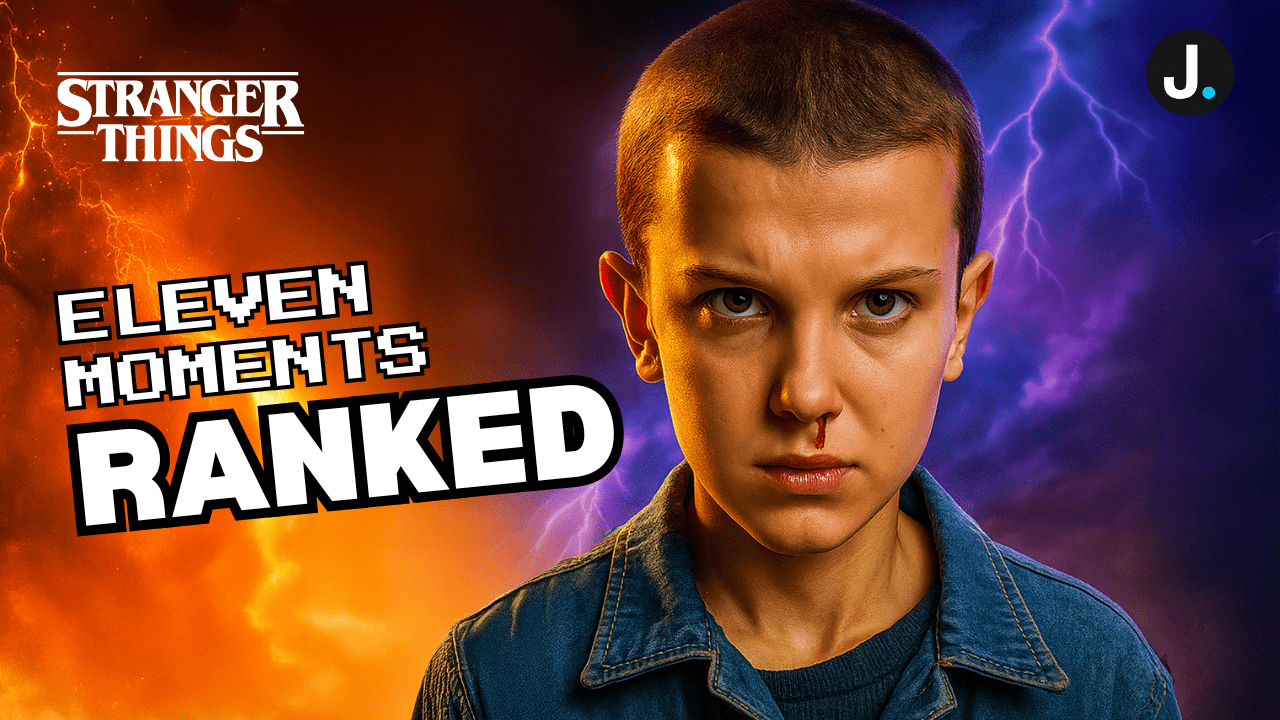
Even the characters’ arcs mirrored that duality. Eleven, played by Millie Bobby Brown, grappled with her identity outside of the lab — cutting her hair, trying on colourful clothes, and discovering what it meant to be normal (as normal as someone who can crush Coke cans with their mind can be). Steve Harrington’s transformation from arrogant jock to beloved babysitter-turned-ice-cream-guy cemented Joe Keery’s status as one of TV’s most unexpected heroes.
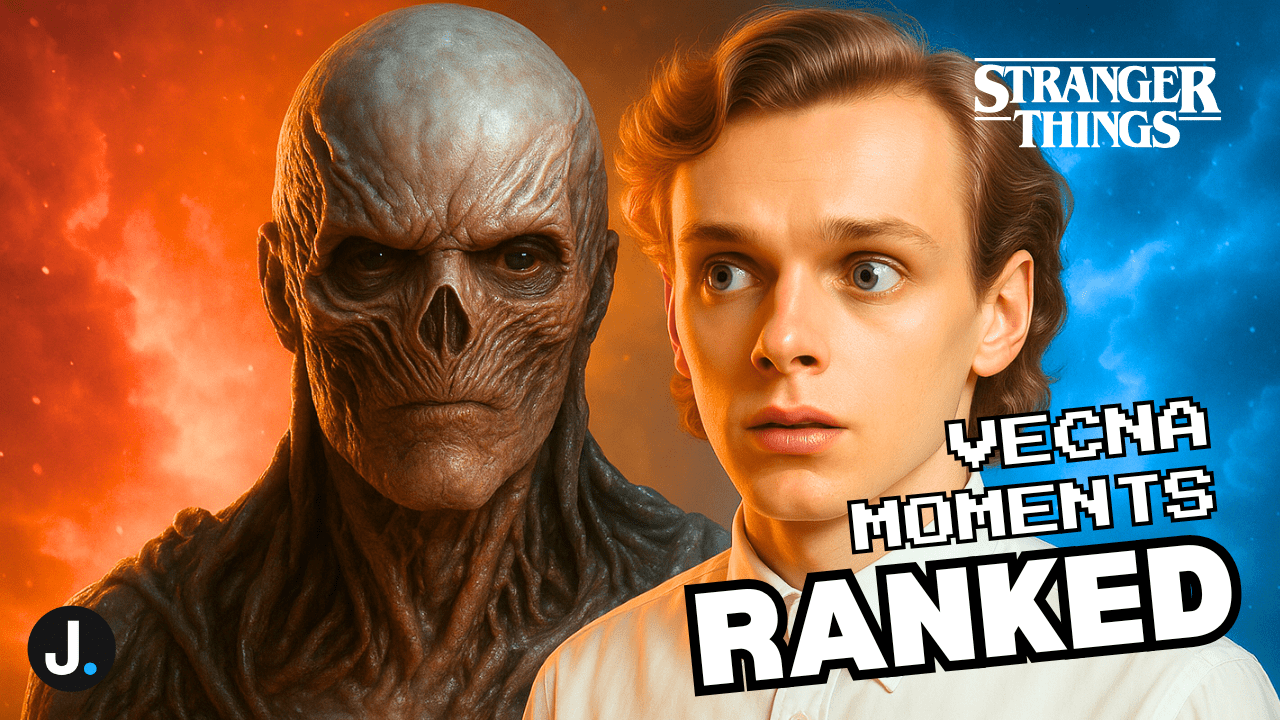
The emotional stakes were higher, the action bigger, and the monsters… well, grosser than ever. The Mind Flayer’s slimy domination of Hawkins felt like something pulled straight from The Blob, reimagined through Netflix’s lavish production values. Every episode played like a mini-movie — a cinematic crescendo leading to one of the most gut-wrenching finales of the decade.
And let’s talk about that finale for a second — that moment at Starcourt Mall. Fire, chaos, heartbreak, and an explosion of light that left everyone shattered. It wasn’t just Hopper’s fate that broke fans’ hearts (although that letter? Tears. Everywhere). It was the dawning realisation that Stranger Things had grown up, and so had its audience.
There’s something special about how Stranger Things connects generations. It’s not often that a show can get parents nostalgic about the 1980s while their kids simultaneously lose their minds over Eleven’s powers or Dustin’s latest invention. Stranger Things 3 nailed that rare, cross-generational magic.
Every episode was a masterclass in blending the familiar with the extraordinary. Hawkins was both an ordinary small town and the gateway to a nightmare dimension. The friendships felt grounded even when tentacled monsters were stalking the halls of Starcourt Mall. That’s the genius of Stranger Things — the supernatural never overshadows the human.
The Duffer Brothers understood that the show’s power wasn’t in its monsters but its heart. It’s the look on Joyce’s face when she realises something’s wrong. It’s Dustin singing “NeverEnding Story” over the radio with Suzie while chaos unfolds around them. It’s Hopper’s fatherly frustration masking a deep, unspoken love for Eleven. These moments built the emotional scaffolding that keeps fans coming back season after season.
And let’s not forget the Stranger Things soundtrack — arguably one of the best in modern television. From Madonna’s “Material Girl” to Foreigner’s “Cold as Ice,” the music of Stranger Things 3 became its own form of storytelling. Kate Bush’s “Running Up That Hill” may have gone viral in Season 4, but Season 3 was the real start of the show’s musical dominance. The Duffers understood that the right song can turn a scene into a cultural moment.
The show’s viral moments extended far beyond the screen. TikTok trends, fan art, cosplay, and endless memes kept Stranger Things 3 alive in the public consciousness long after the credits rolled. Every outfit, quote, and hairstyle became iconic. “Scoops Ahoy” uniforms became Halloween staples. Hopper’s moustache got its own fanbase. Even the mall itself became a nostalgic pilgrimage site for fans, with the filming location in Georgia attracting thousands of visitors.
It’s this level of engagement — emotional, visual, and cultural — that elevates Stranger Things from hit series to phenomenon. The Duffers didn’t just make a TV show. They created a shared universe that spilled into our wardrobes, playlists, and memes. It became part of how we express fandom itself.
Fast forward to now, and the countdown to Stranger Things 5 is officially on. Set for release in November 2025, the final season promises to be the grand finale of nearly a decade of storytelling. Fans have waited longer than ever, and the anticipation feels electric — like a portal opening in Hawkins itself.
So, what does Season 5 have to live up to? Quite a lot. With Season 3 setting the benchmark for streaming records and emotional storytelling, the Duffers face the challenge of tying up a narrative that’s defined a generation. But if there’s one thing history tells us, it’s that Stranger Things thrives under pressure.
The Duffers have already teased that the upcoming season will return to the roots of Season 1 — darker, scarier, more intimate. That sense of claustrophobic terror that first made Hawkins feel so alive is expected to come roaring back. But make no mistake, the spectacle will be massive too. The Duffer Brothers confirmed they’ve shot 650 hours of footage for Season 5 — the scale of eight blockbuster films rolled into one emotional, terrifying crescendo.
The cast, now veterans of their own mythos, have grown into global stars. Millie Bobby Brown is a Hollywood powerhouse. Finn Wolfhard, Sadie Sink, and Caleb McLaughlin have carved out impressive careers beyond Hawkins, yet the chemistry that started it all remains untouchable. Their final return to these roles will no doubt be emotional — both for them and for the millions who’ve followed their journey since day one.
As Stranger Things prepares to close the portal on its final chapter, its legacy already feels cemented. It revolutionised how we experience television, blending cinematic storytelling with binge culture. It reminded us that nostalgia isn’t about living in the past, but finding comfort in the echoes of it. It gave us characters who felt like friends and monsters that embodied our fears.
And it did all of that while breaking Netflix’s records wide open — from those first 40.7 million viewers to the 18.2 million who couldn’t hit pause until it was over. Stranger Things 3 wasn’t just a show; it was a cultural checkpoint. A moment where everyone, everywhere, seemed to be watching the same story at the same time.
So as Hawkins readies itself for one final showdown, the numbers from 2019 feel almost quaint compared to what’s coming. If Season 3 taught us anything, it’s that Stranger Things doesn’t just capture attention — it commands it.
Whether you’re a nostalgic Gen Xer remembering your own Dungeons & Dragons days or a Gen Z fan who grew up with Eleven as a hero, the world of Hawkins has left a mark that will echo long after the Upside Down finally closes.
Come November 2025, millions will once again hit “play.” And if history is any indication, they won’t stop until the credits roll.