Ask any pop culture enthusiast, and they’ll tell you that the 1980s were a riot of colour, sound, and unapologetic creativity. From leg warmers to arcades, from John Hughes teen films to blockbuster synth-heavy soundtracks, the decade carved an indelible mark in history. But when did the nostalgia for this era start to bubble up? According to The Washington Post, the seeds were already sown by 1993, with the trend gaining momentum throughout the mid-1990s.
Cultural scholars often point to the twenty-year nostalgia cycle, where a society tends to romanticise a period two decades prior. However, the 1980s proved resilient, sparking early interest during the 1990s that refused to fade. By 2023, polls revealed that 66% of Baby Boomers and 65% of Generation X still cherished '80s media, while even members of Generation Z, who never lived through the decade, demonstrated a unique affinity for its culture. Academic circles have dubbed this “pseudo nostalgia,” a term that sparked heated debates, as it describes the affection younger generations feel for a time they never experienced firsthand.
From conventions celebrating retro arcade games to festivals dedicated to 1980s music, the influence of the era was never purely sentimental—it was participatory. Video games often blend American and Japanese nostalgia, while fashion cycles repeatedly revisit high-waisted jeans, neon colours, and oversized jackets. Each iteration reminds audiences of the era’s enduring charm, whether they remember it firsthand or discover it through modern reinterpretations.
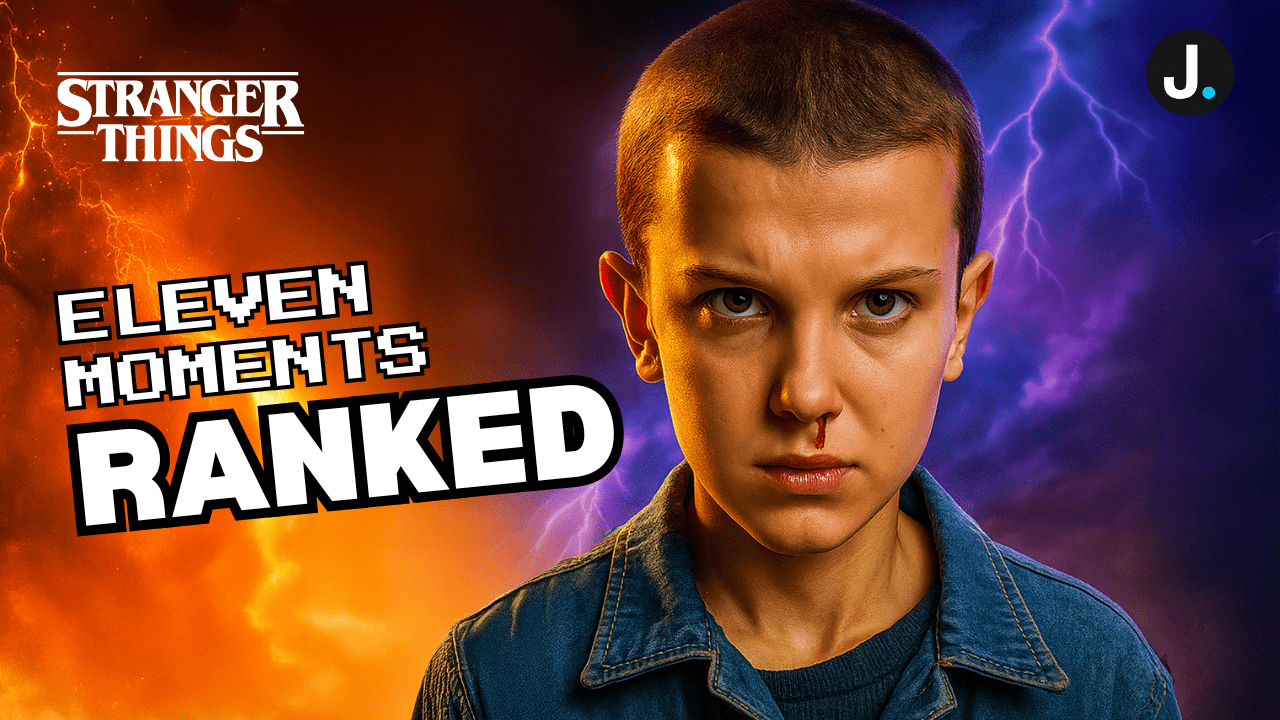
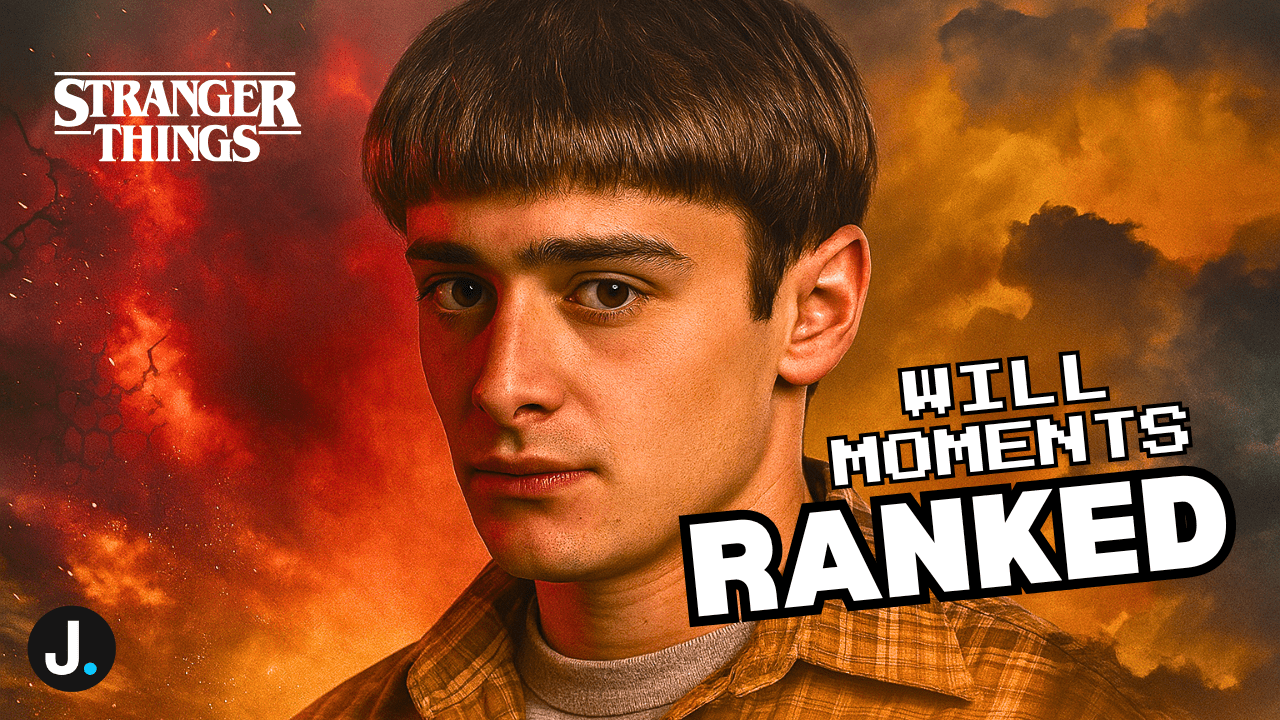
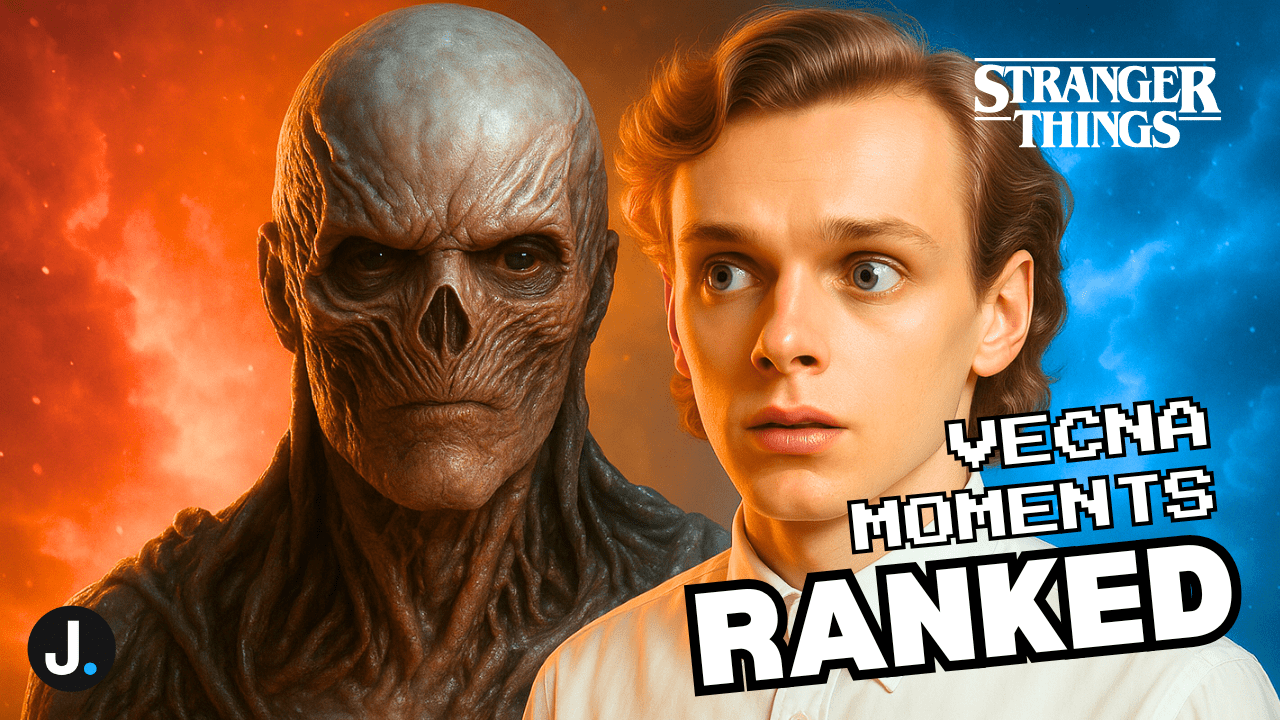
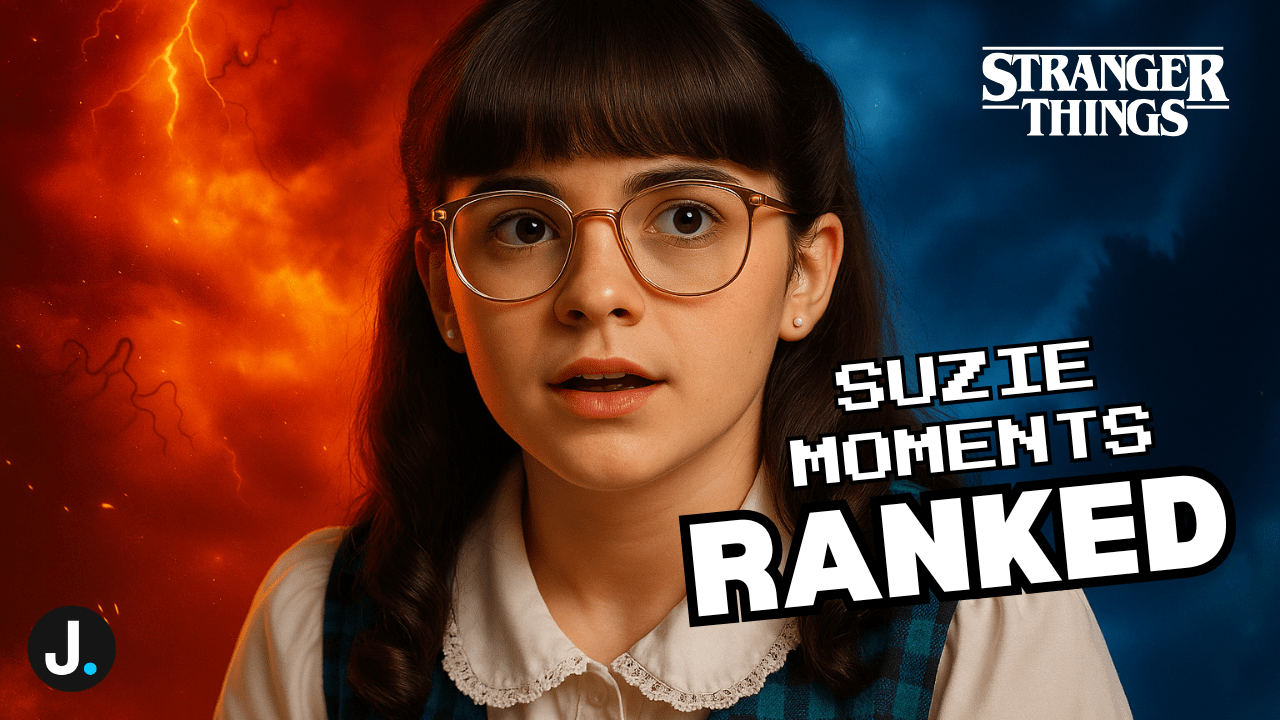
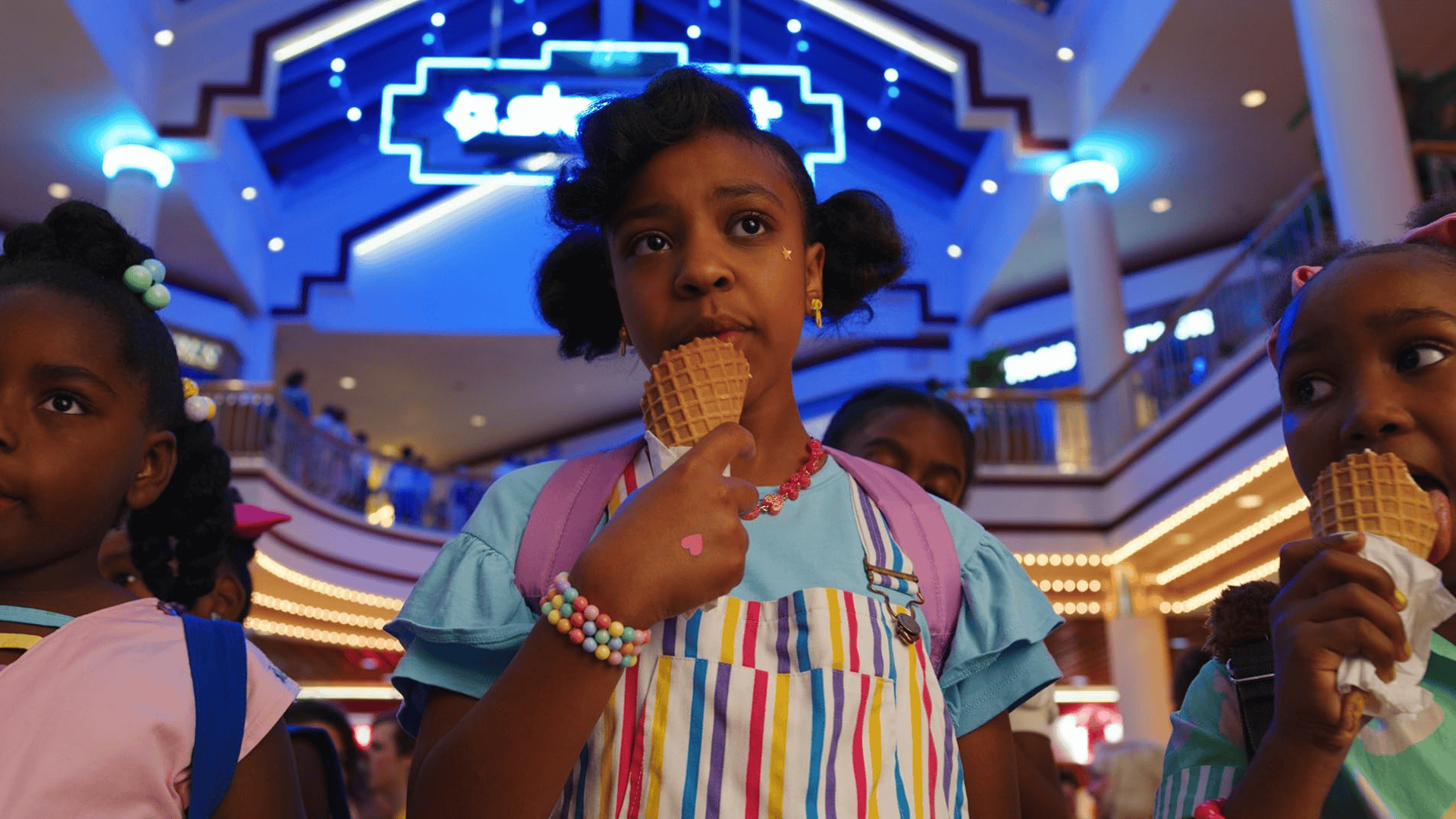
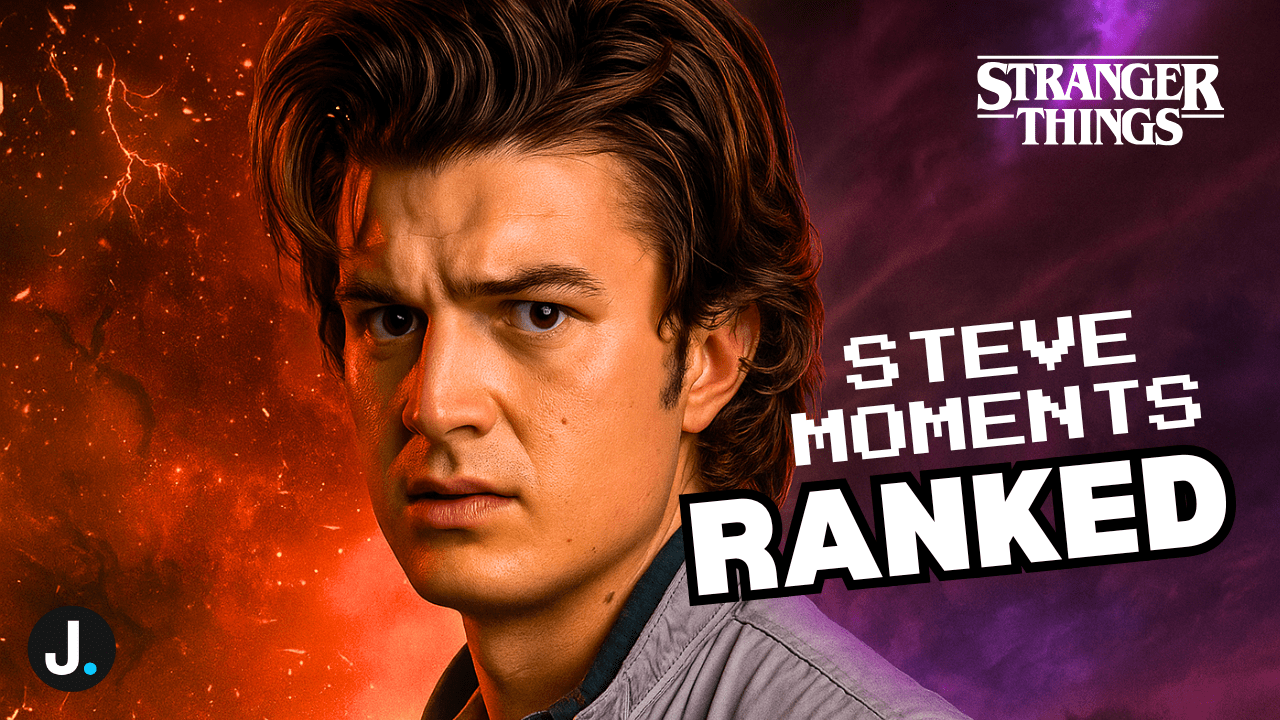
The cultural imprint of the 1980s is perhaps most evident in how media and music embrace and revive it. Netflix’s Stranger Things has become a lighthouse of this nostalgic wave, meticulously recreating Hawkins, Indiana, with lighting, costumes, and music that scream mid-'80s suburbia. But the show’s influence stretches beyond aesthetics—it actively drives renewed interest in the decade’s cultural milestones.
Take Metallica’s Master of Puppets, for example. After being featured in key sequences, streaming numbers spiked, demonstrating how a single show can reintroduce an iconic track to a contemporary audience. This phenomenon isn’t isolated; 1980s music genres like synthwave and vaporwave have experienced a renaissance, reaching younger fans who often first encounter artists like Michael Jackson or Whitney Houston through TikTok, Spotify playlists, or retro-themed social media content. By 2024, Thriller had cemented its role as a perennial Halloween favourite, climbing streaming charts annually—a testament to the enduring power of the decade’s music.
Movies and TV shows also ride this nostalgia wave. Beyond Stranger Things, countless reboots, remakes, and homages to the 1980s appear across screens. Cinematic cues—from synth-heavy scores to neon-lit cityscapes—signal homage while connecting new narratives to a beloved cultural heritage. In a sense, these media products become gateways, guiding younger generations through the textures, sounds, and moods of a period they never witnessed firsthand.
By the time Season 5 of Stranger Things debuts in November 2025, it’s clear that 1980s nostalgia has transcended mere sentimentality. It functions as a cultural lens, shaping how audiences experience media and engage with entertainment. Whether it’s through fashion, music, or immersive storytelling, the decade’s influence permeates multiple facets of our daily lives.
For Baby Boomers and Gen X, these nostalgic nods conjure warm memories of adolescence and first encounters with blockbuster culture. For Millennials and Gen Z, the appeal lies in discovery—the thrill of encountering classic music, fashion, and media aesthetics for the first time through a modern lens. This cross-generational resonance ensures that the 1980s remain a fertile ground for creativity and reinterpretation.
The power of nostalgia also extends into identity formation. Revisiting the decade allows audiences to connect with stories of friendship, rebellion, and adventure, much like the narratives central to Stranger Things. The series functions as a bridge, linking personal memory with broader cultural history, while simultaneously influencing how new generations perceive the decade. Each episode, each soundtrack choice, each retro costume becomes a thread weaving the 1980s into the contemporary imagination.
Even in gaming and digital media, the decade’s influence thrives. Arcade-style games, retro-inspired graphics, and synthwave soundtracks in modern titles highlight the adaptability of 1980s aesthetics in immersive experiences. These integrations reaffirm the notion that nostalgia isn’t passive; it’s an active dialogue between past and present.
Ultimately, the legacy of the 1980s endures because it speaks to something universal: a longing for vibrant creativity, storytelling that resonates across ages, and a world brimming with colour, sound, and possibility. As Hawkins prepares for the next chapter in Stranger Things, it carries with it the cultural DNA of a decade whose echoes continue to shape how we view the past and imagine the future. The nostalgia of the 1980s has evolved into a living, breathing cultural force, connecting generations through shared memories, musical anthems, and the enduring thrill of discovery.