Let’s start with the numbers, because they’re frankly jaw-dropping. 650 hours. That’s right — six hundred and fifty hours of raw footage were captured for Stranger Things 5. To put that in perspective, that’s roughly 27 continuous days of film, or enough time to binge-watch every episode of Friends, Game of Thrones, and Breaking Bad twice over.
At a recent Netflix event, Ross Duffer summed up the scale with the kind of understatement that makes fans both giddy and slightly nervous:
“We spent a full year filming this season. By the end, we’d captured over 650 hours of footage. So, needless to say, this is our biggest and most ambitious season yet. It’s like eight blockbuster movies. It’s pretty insane.”
“Pretty insane” might be putting it mildly. This isn’t just a TV show anymore — it’s practically an extended cinematic universe condensed into one final season. Stranger Things 5 is the Duffer Brothers’ victory lap, a culmination of nearly ten years spent balancing teenage angst, small-town horror, and the rich tapestry of 1980s pop culture references that made Hawkins, Indiana, feel both surreal and familiar.
For years, the show has thrived on nostalgia while pushing the boundaries of television storytelling. The Duffers took cues from Spielberg and Carpenter, spliced it with Stephen King-style dread, and delivered something fresh enough to hook a new generation. Now, with the final season being treated like “eight blockbusters”, it feels like they’re coming full circle — not just paying homage to the era that inspired them, but rewriting what prestige TV can be.
Filming for Stranger Things 5 stretched over an entire year, and that sheer scale hints at something more layered than just a big-budget farewell. Ross and Matt Duffer have repeatedly promised that while the scope will be grand, the story will remain grounded in its emotional core. The human moments — the heartbreak, the friendship, the quiet resilience — are what give this neon-drenched supernatural saga its soul.
The pair have described Season 5 as both “epic” and “intimate,” a balancing act that has defined Stranger Things from the beginning. Sure, there’ll be monsters, parallel dimensions, and government secrets, but the real battles have always been the internal ones — grief, guilt, love, and loss.
If the Duffers’ ambition has grown to cinematic proportions, so too has their emotional attachment to their characters — and that’s where the real magic lies.
At that same Netflix event, Matt Duffer offered a glimpse behind the curtain that nearly broke fans’ hearts:
“It was super intense and emotional to film – for us and for our actors. We’ve been making this show together for almost 10 years. There was a lot of crying. There was so much crying.”
For a show built on themes of friendship, growing up, and facing darkness together, those words hit home. Think about it: Stranger Things began filming back in 2015. The young cast were literal children. Now, nearly a decade later, they’re adults closing a chapter that defined their formative years. For fans, watching them grow up has been like watching your own childhood replay through a VHS filter.
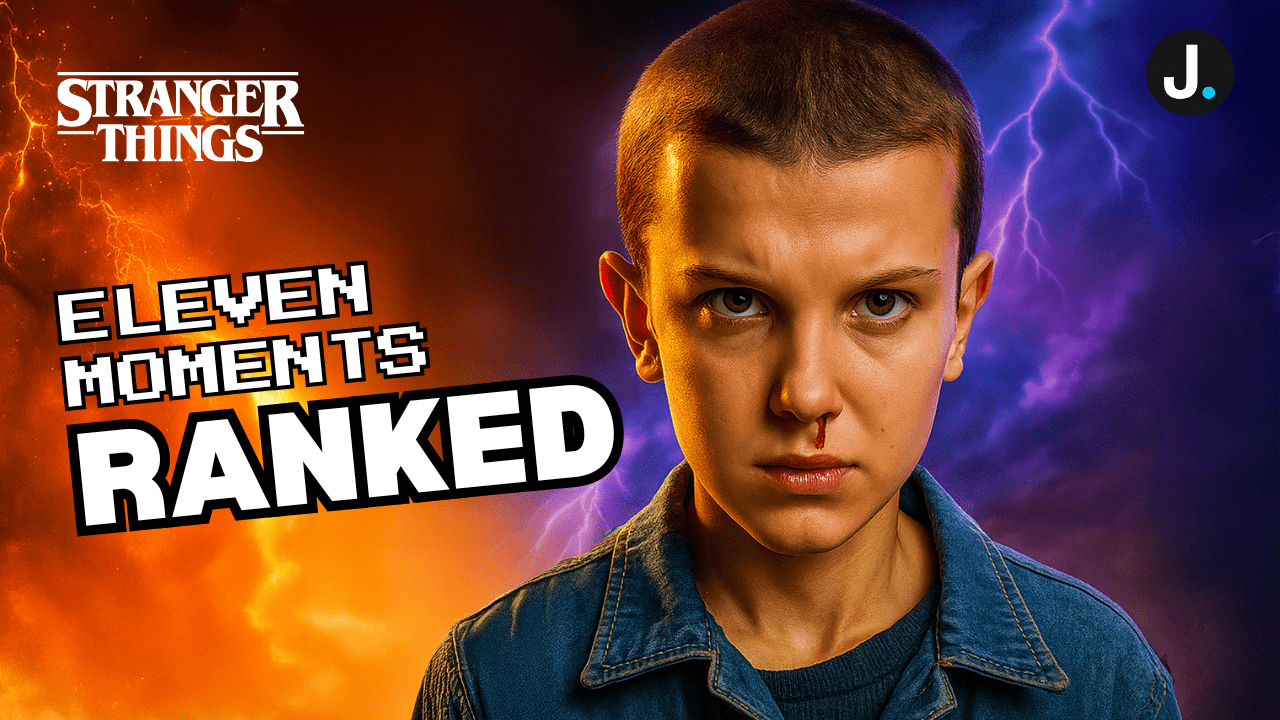
Behind the monster battles and psychic showdowns, Stranger Things has always been about relationships — between friends, siblings, lovers, and misfits. Eleven’s journey from terrified lab experiment to found-family hero, Mike’s steadfast leadership, Dustin’s boundless optimism, Max’s grief, Lucas’s growth, and even Steve’s evolution from school heartthrob to babysitter extraordinaire — each storyline has tugged on the same emotional threads that make the supernatural believable.
The Duffers know this. That’s why they’ve spent the last year shooting moments that carry not just narrative weight, but emotional history. The crew have spoken of scenes that felt like “goodbyes in real time,” where cast members embraced after wrapping, tears rolling freely because the reality of it — the end of Hawkins — was finally sinking in.
It’s easy to forget that for many of the cast — Millie Bobby Brown, Finn Wolfhard, Gaten Matarazzo, Caleb McLaughlin, Sadie Sink, Natalia Dyer, Joe Keery, Maya Hawke, and David Harbour — Stranger Things isn’t just another job. It’s their youth, captured forever in 1980s neon.
Matt Duffer’s mention of “so much crying” wasn’t hyperbole. There’s an emotional exhaustion that comes with closing a decade-long creative loop. The production reportedly saw countless hugs, wrap parties filled with nostalgia, and cast members who found it difficult to step away from their characters.
And fans feel it too. We’ve grown attached to this found family — a gang that’s battled Demogorgons, dodged government agents, and endured more trauma than the residents of Sunnydale. The end feels monumental because, in a way, it mirrors the experience of saying goodbye to our own childhood favourites — the way we once said farewell to Harry Potter, The Lord of the Rings, or The Avengers.
But if anyone can deliver an ending worthy of the tears, it’s the Duffer Brothers. Their track record for emotional payoffs — from Hopper’s Season 3 “death” to Max’s haunting Season 4 storyline — suggests that Stranger Things 5 won’t just tie up plotlines; it’ll break hearts and heal them in equal measure.
As the countdown to November 2025 begins, anticipation for Stranger Things 5 has reached fever pitch. This isn’t merely another finale — it’s the culmination of a cultural moment that redefined how audiences engage with genre storytelling.
For context, Stranger Things wasn’t meant to be a global juggernaut. When it premiered in 2016, Netflix was still experimenting with original content, and the Duffer Brothers were relative unknowns. Yet, against all odds, the show became a worldwide obsession — equal parts sci-fi, horror, coming-of-age, and love letter to the 80s. It revived the magic of practical effects, synthesiser scores, and heartfelt ensemble storytelling.
Now, after nine years, Hawkins is gearing up for its final showdown. The Duffers have teased that the finale will resolve the Upside Down’s origins, answer lingering questions about Eleven’s powers, and deliver “the biggest, scariest battle” the series has ever seen.
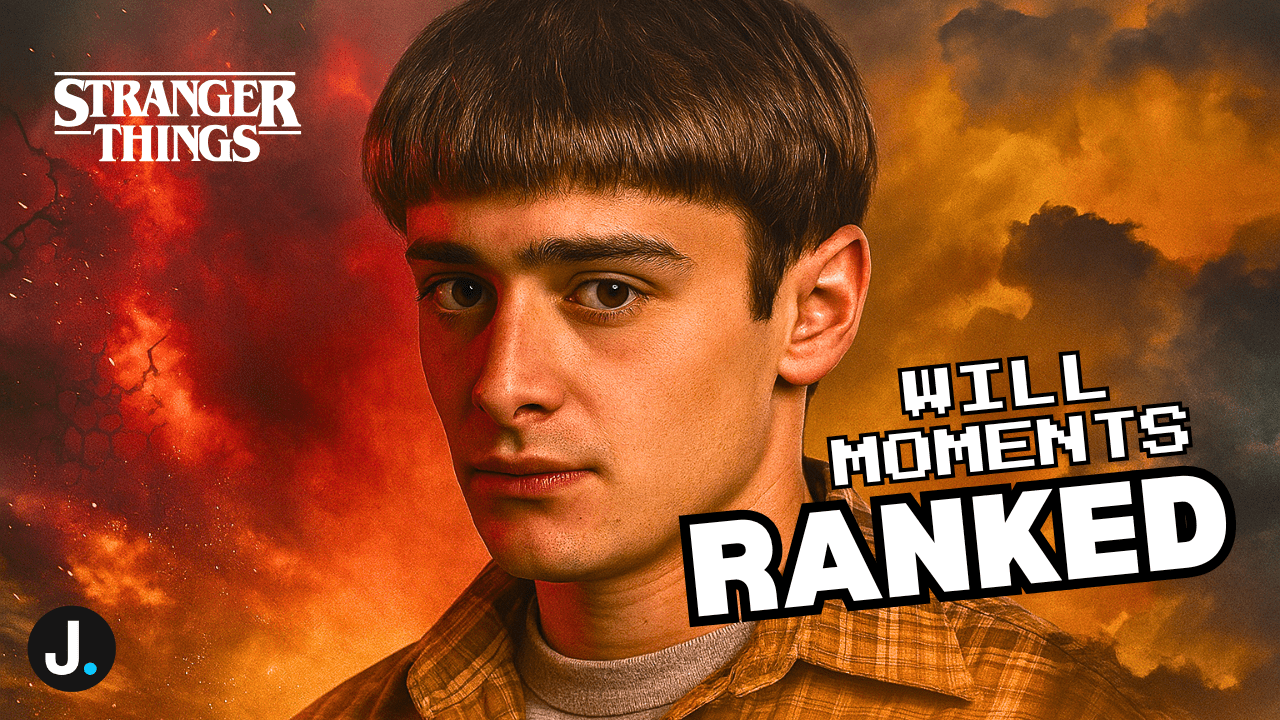
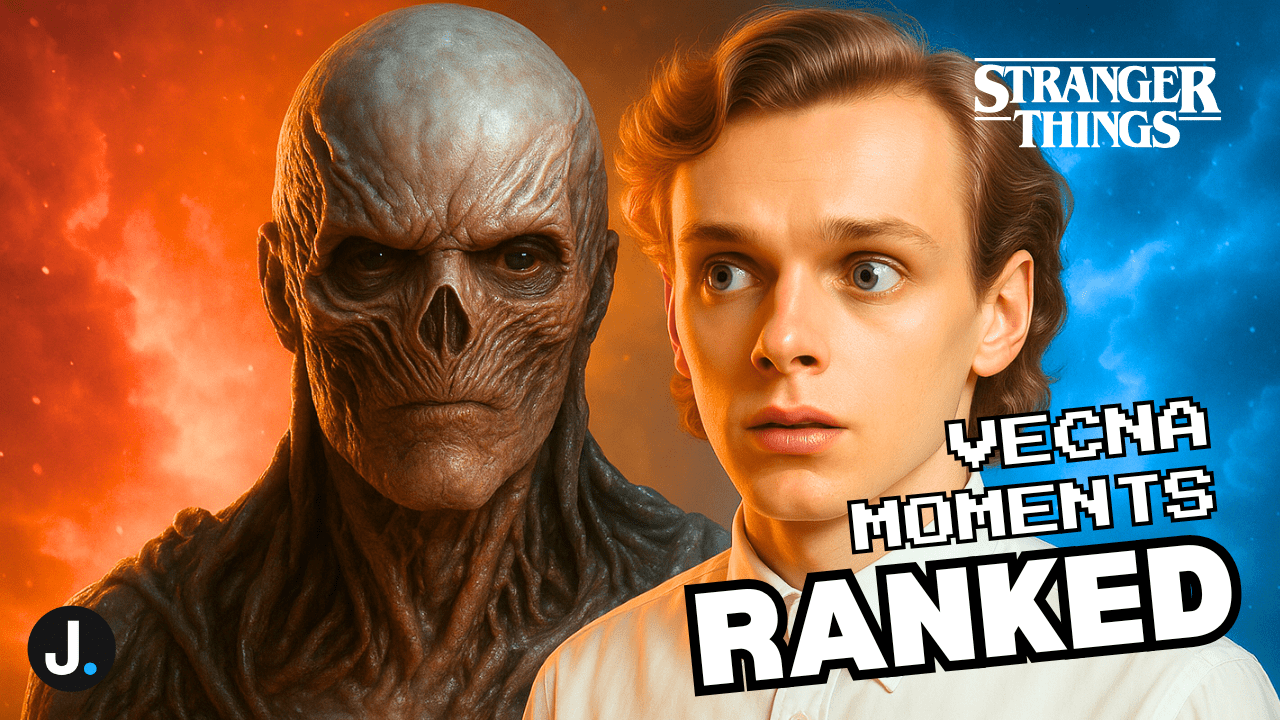
What sets this apart, though, is the meticulous attention to character-driven resolution. Every loose thread — from Will’s psychic connection to Vecna’s vendetta — is expected to tie back into the emotional DNA of the show.
The Duffers’ comment that this season is like “eight blockbuster movies” isn’t marketing hype. It’s a production reality. With 650 hours of footage, they’ve essentially filmed an entire film series’ worth of material, each episode reportedly boasting cinematic scale. Expect massive set pieces, breathtaking VFX, and heart-wrenching performances.
Yet for all its visual grandeur, Stranger Things has always thrived on its humanity. Its greatest legacy will be its ability to make viewers care — deeply, irrationally, and fiercely — about its characters. When fans think of Stranger Things, they don’t just recall the monsters; they remember the bike rides, the D&D sessions, the awkward dances, and the unwavering loyalty that made this story timeless.
In many ways, Stranger Things redefined television’s relationship with nostalgia. It didn’t just copy the 1980s; it reinterpreted them, turning VHS-era storytelling into an emotional experience for the streaming age. The show proved that sincerity still sells — that audiences crave connection as much as spectacle.
When Stranger Things 5 finally lands, expect it to dominate cultural conversation once again. TikTok edits will explode, theories will spiral, and new generations will discover Hawkins for the first time. The Duffer Brothers’ work has always lived at the intersection of blockbuster filmmaking and heartfelt character drama, and this finale seems poised to deliver both.
“This is our biggest and most ambitious season yet,” Ross said. “It’s pretty insane.”
For fans who’ve followed the journey since the first Demogorgon emerged from the wall, that insanity feels earned. It’s poetic, even — a show that began with a missing kid on a bike now ending with an emotional, cinematic crescendo that spans a decade of storytelling.
The legacy of Stranger Things won’t just live in memes or merch; it’ll live in how it changed the expectations of what television could be. It brought genre storytelling to the mainstream with the emotional depth of a prestige drama and the cinematic sweep of a summer blockbuster.
As the credits prepare to roll on Hawkins, one truth feels certain: Stranger Things will never really leave us. It’s carved into pop culture like initials in an arcade cabinet — permanent, nostalgic, and a little bit magical.
So, when that final episode hits Netflix next November, grab your tissues, your Eggo waffles, and maybe even your D20 dice. Because when the lights in Hawkins flicker for the last time, we’ll all be right there — crying with the Duffers, cheering for Eleven, and saying goodbye to the show that reminded us that friendship, courage, and a little bit of weirdness can save the world.