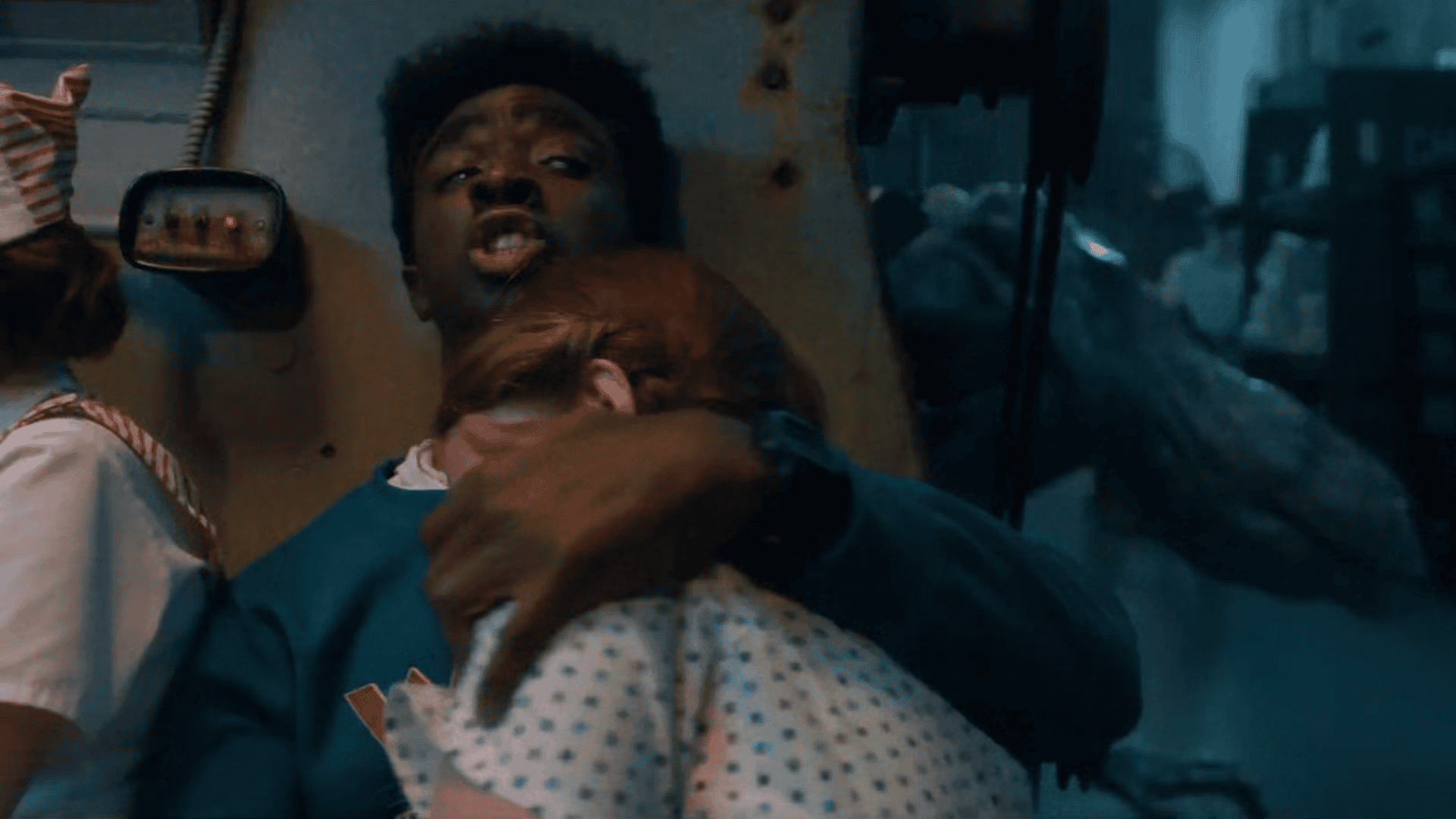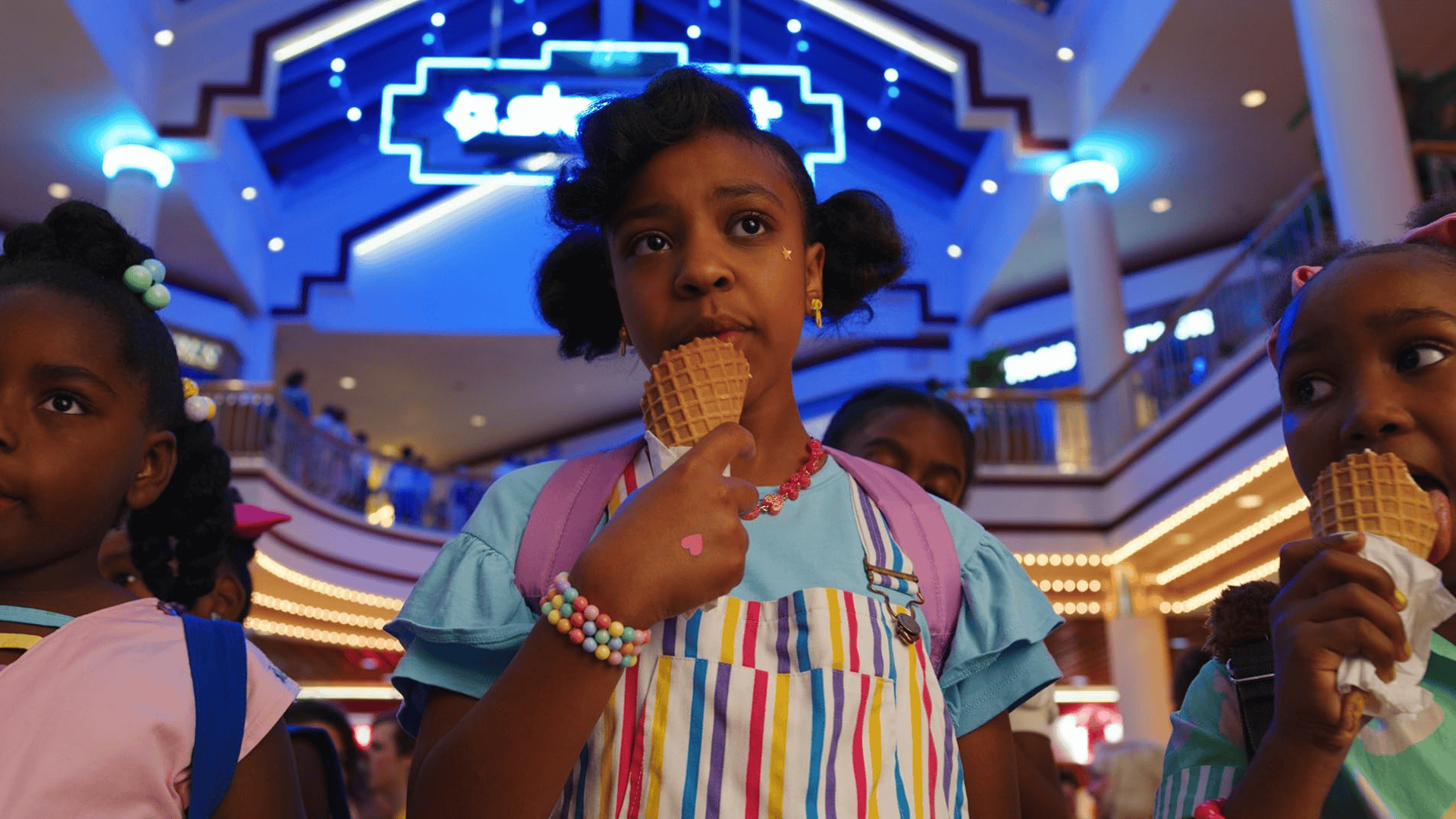
As the countdown to Stranger Things Season 3 intensified, it became clear that Netflix was determined to turn Hawkins, Indiana, into a fully immersive playground for fans. Among the standout partnerships, H&M’s clothing line grabbed headlines with its clever blend of style and narrative. Launched on May 24, 2019, the collection was inspired by the wardrobes of the show’s characters, allowing fans to literally step into the world of Hawkins.
Dacre Montgomery, who plays the tempestuous Billy, became the face of the campaign, embodying his character’s lifeguard summer persona while wearing the pieces. From red lifeguard jackets to striped t-shirts and high-waisted jeans, the line evoked pure 1980s summer vibes. Fashion-conscious viewers could now dress like their favourite characters, which created a sense of participation in the series’ nostalgia-fuelled world. The clever use of H&M’s retail platform meant fans weren’t just observing Hawkins—they could inhabit it, bringing the show’s aesthetics into real life.
Coca-Cola’s revival of New Coke added another playful layer. Initially released in 1985 and infamous for its consumer backlash, the beverage returned just before the Season 3 premiere. The timing was impeccable: New Coke appeared on-screen in select episodes, allowing the product to become an interactive piece of the narrative. Limited upside-down vending machines popped up in U.S. cities, and bottles were also available online. Fans could literally taste the show’s nostalgic universe, connecting the 1980s timeline of Hawkins with a tangible real-world experience.
These strategies reflect a keen understanding of how nostalgia can be monetised while remaining immersive. The campaigns are less about straightforward advertising and more about creating shared experiences, with consumers feeling as though they are participating in the story rather than being sold to.
Food, Gaming, and Interactive Tie-Ins With Stranger Things
The world of Hawkins extended far beyond fashion. Food chains embraced the Upside Down in ways that fans could physically interact with. Burger King led the charge with the ‘Upside Down Whopper,’ a creative twist on its classic menu item. Available at 11 select locations, the burger featured ketchup packets nodding to Eleven’s infamous nosebleeds, an iconic callback for fans. In a playful move that blurred fiction and reality, the Burger King settings mirrored the show’s aesthetic, turning mundane fast-food runs into immersive experiences. Fans could now eat their way through Hawkins while spotting Easter eggs referencing the series.
In the digital realm, Netflix partnered with Epic Games for Fortnite Battle Royale tie-ins, embedding Hawkins and Upside Down-inspired content into the online game. Players could explore the show’s universe interactively, connecting their gameplay with the series’ plotlines. These experiences weren’t peripheral—they became essential parts of fan engagement, allowing younger viewers and gamers to inhabit the show’s world in real time.
Even tech companies joined the fray. Microsoft released a mock version of Windows 1.0 as a downloadable app, fully functional yet filled with hidden Easter eggs. Fans could explore retro computing while stumbling across subtle nods to the series, effectively turning a nostalgic interface into a storytelling vehicle. By letting brands create their own marketing campaigns within the show’s context, Netflix engineered a scenario where each partner amplified the cultural footprint of Stranger Things, without Netflix directly paying for promotions.
This approach transformed marketing into storytelling, leveraging nostalgia, interactivity, and engagement simultaneously. Brands became extensions of the Hawkins universe, enriching fan experiences while maintaining organic appeal.
The scale of Netflix’s marketing push for Season 3 is staggering. With around 75 partnerships, the campaign was less about product placement and more about creating cultural moments. Each tie-in tapped into the 1980s setting while providing fans with opportunities to participate in the show’s world.
From fashion to food, gaming to technology, these campaigns collectively blurred the line between fiction and reality. Fans could wear Hawkins-inspired clothing, sip New Coke while watching Eleven navigate the Upside Down, battle digitally in Fortnite, and explore a retro operating system with Easter eggs tucked throughout. The sheer breadth of this multi-platform strategy ensured that Stranger Things was not only a viewing experience but a lifestyle phenomenon.
This was marketing that respected its audience. By encouraging companies to develop their own campaigns within the series’ framework, Netflix allowed creativity to flourish. The result was a symbiotic ecosystem where the show, the brands, and the fans all benefitted. Instead of overtly pushing products, the campaigns allowed participation, sparking conversation and driving excitement organically. Fans weren’t just spectators—they were collaborators in the marketing narrative, and every interaction reinforced the show’s cultural dominance.
As Season 3 loomed, these tie-ins positioned Stranger Things as a fully realised cultural universe. By combining nostalgia, pop culture, and immersive experiences, Netflix successfully turned marketing into storytelling. The lessons here are clear: modern media thrives on engagement, collaboration, and shared experience. The Upside Down wasn’t confined to Hawkins—it spilled into the real world, through fashion, food, games, and digital spaces, creating an unparalleled marketing moment.
The 75-company tie-in strategy exemplifies how a series can extend beyond the screen to touch multiple aspects of daily life. It isn’t just about products—it’s about embedding the narrative of Hawkins into the tangible world. From clothing racks to burger trays, from retro computing apps to Fortnite skins, the universe of Stranger Things becomes experiential.
For fans, this means every interaction—whether eating, shopping, or gaming—becomes an extension of their relationship with the show. It encourages repeat engagement, conversation, and social media sharing, ensuring the series remains culturally resonant. Importantly, it also cements Netflix’s status as a pioneer in entertainment marketing. The network has managed to create a cohesive ecosystem where storytelling, nostalgia, and consumer culture intersect seamlessly.
Looking ahead to Season 5, the marketing precedent set by Season 3 establishes expectations for immersive, multi-platform experiences. Fans anticipate not just the narrative payoff of Hawkins’ supernatural battles, but the cultural tie-ins that allow them to inhabit the world in real life. It’s a clever blend of nostalgia, pop culture, and strategic engagement, ensuring Stranger Things remains not only a story to watch but a world to live in.
In the ever-expanding landscape of streaming and entertainment, Netflix’s Season 3 campaign proves that the right partnerships can transform a show into a phenomenon, turning episodic releases into cultural events. Hawkins isn’t just on-screen—it’s in the shopping mall, at the burger joint, on the console, and in the minds of fans everywhere.