When Stranger Things returned for its fourth season, it arrived with the quiet intensity of a storm rolling over Hawkins. Gone were some of the lighter, playful tones of earlier seasons, replaced by a denser, darker narrative that critics and fans alike hailed as a bold evolution. The season premiered in two volumes in 2022, a decision that gave audiences time to digest the layers of horror, nostalgia, and intricate storytelling. With an 88% approval rating on Rotten Tomatoes from 193 reviews, the consensus was clear: Season 4 had set the bar high, preparing viewers for the show’s climactic final chapter.
Saloni Gajjar of The A.V. Club awarded the season a "B+", noting that it “injects an enthralling backstory into its well-established universe.” Digital Spy’s Tilly Pearce echoed this sentiment, declaring Season 4 "without a doubt the strongest offering to date and by far the most ambitious." This evolution was evident from the first episodes: the series leaned into horror, amplified suspense, and explored emotional depths previously only hinted at. Characters we thought we knew were pushed into uncharted territory, their arcs evolving with a complexity that resonated with both nostalgia-driven viewers and newcomers.
The season’s ambition was felt not only in storylines but in scope. Subplots spanned Hawkins, California, and even secret Russian laboratories, reflecting a bold expansion of the Stranger Things universe. Yet despite its scale, the series never lost sight of its core: friendships tested under supernatural duress, the triumphs and tragedies of adolescence, and the constant tension between wonder and horror. The balance between these elements was delicate, but the show maintained a rhythm that allowed suspense and emotion to coexist, keeping viewers riveted.
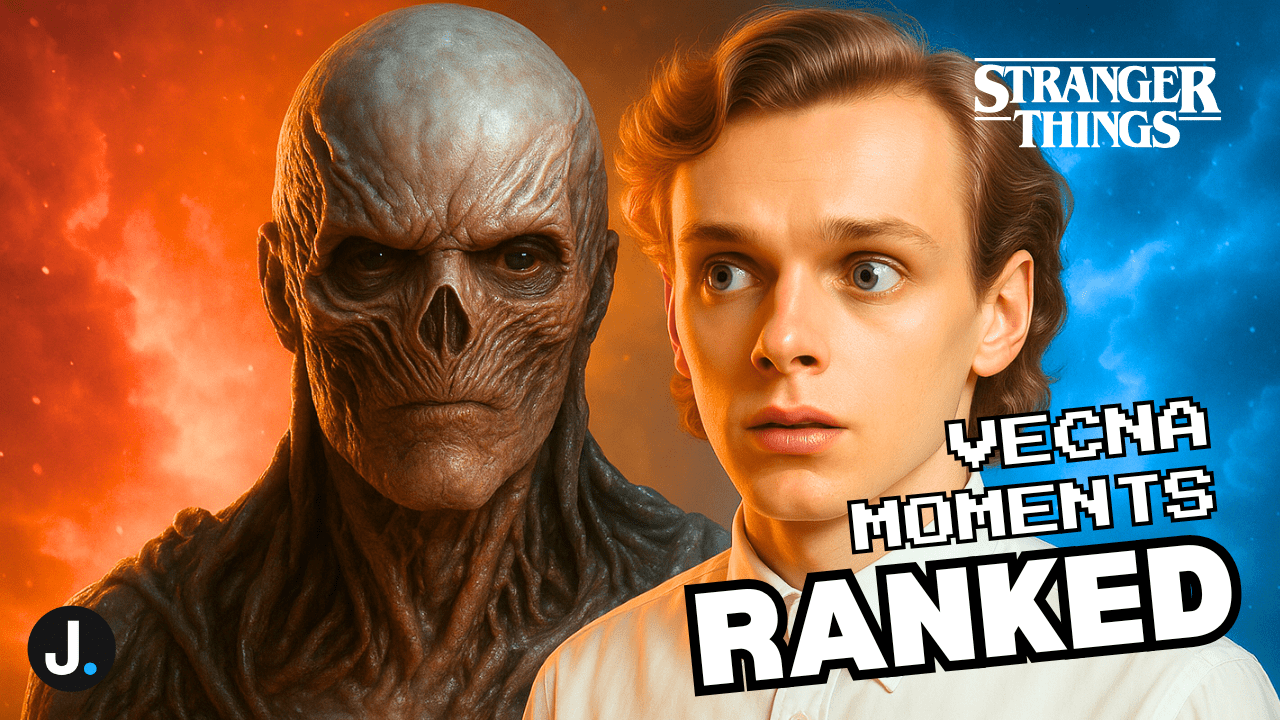
No discussion of Stranger Things Season 4 can ignore Vecna, the season’s chilling antagonist. Played with terrifying nuance by Jamie Campbell Bower, Vecna marked a turning point for the series, introducing a villain whose depth extended far beyond monster-of-the-week tropes. From his origins as Henry Creel to the fully realised terror of Vecna, Bower crafted a performance that was both unsettling and psychologically complex. Patrick Caoile of Collider emphasised this, noting, "For the first time, Stranger Things gives us a villain with layers."
The brilliance of Vecna lies in his duality: he embodies menace and vulnerability, horror and pathos. Vulture’s Devon Ivie highlighted the actor’s unique challenge, stating that Bower “has the distinction of embodying three characters.” This multiplicity lent the season a sophisticated narrative tension, allowing viewers to glimpse the humanity beneath the monster, making the horror feel immediate and personal. Fans witnessed Eleven confronting not just a supernatural threat, but the psychological weight of a villain whose story intertwined with her own.
Vecna’s presence elevated the stakes, and the narrative responded by exploring trauma, grief, and the consequences of evil in a nuanced way. Unlike previous antagonists, Vecna’s malevolence had context, history, and complexity. This shift contributed to Season 4’s status as one of the series’ most ambitious and emotionally resonant chapters, demonstrating that horror could be layered, intelligent, and deeply affecting.
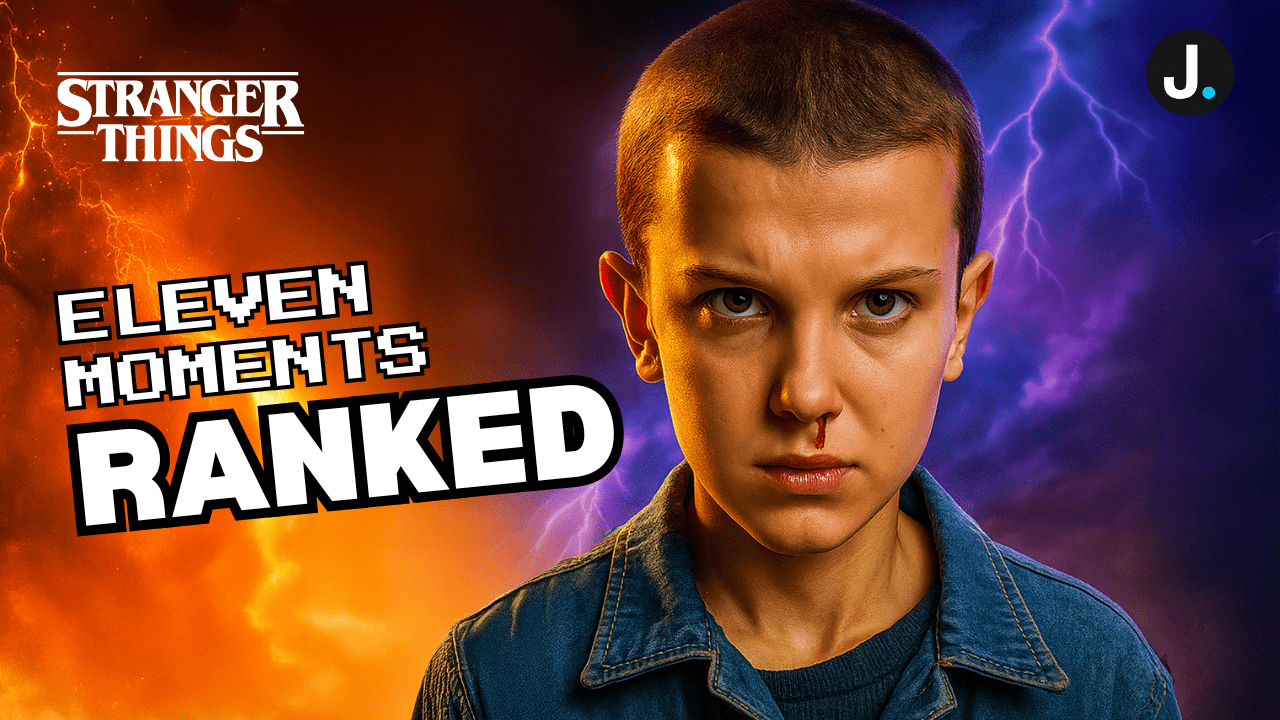
While Vecna dominated the narrative, Season 4 also showcased some of the finest performances in Stranger Things’ run. Millie Bobby Brown, reprising her role as Eleven, carried scenes with a balance of psychic power and vulnerability, navigating silence and subtle expressions with remarkable skill. Sadie Sink’s portrayal of Max in “Chapter Four: Dear Billy” was equally powerful, with critics noting her ability to embody grief, courage, and determination in a single, emotionally charged sequence.
Caleb McLaughlin’s Lucas and Joseph Quinn’s Eddie Munson also left indelible marks on the season. Quinn, in particular, received praise from TVLine as “Performer of the Week” for bringing a remarkable range to Eddie’s opening episode scenes. His charisma, fearlessness, and emotional resonance created a character who was instantly iconic, while McLaughlin’s portrayal of Lucas’ growth added depth to a long-running character arc. These performances, combined with the ensemble’s cohesive energy, made Season 4 an immersive and emotionally charged experience, where every subplot felt meaningful and every character’s journey impactful.
Critics acknowledged that the season was not without minor critiques. Sophie Gilbert of The Atlantic noted the season’s length and occasional superficial allusions, but even these observations underscored the series’ ambition, as it sought to weave multiple narratives, deepen lore, and maintain suspense across an extended arc. The careful balance between horror, nostalgia, and character development ensured that each episode resonated, leaving audiences eager for the climactic showdown promised in Season 5.
Stranger Things Season 4 succeeded in expanding the series’ scope, raising the stakes, and exploring the emotional landscape of its beloved characters. With Vecna’s layered menace, standout performances from a talented ensemble, and a narrative that embraced both the terror and warmth of the 1980s, it positioned the show at the pinnacle of modern supernatural storytelling. As Hawkins prepares for the final chapter, the legacy of Season 4 reminds us why Stranger Things remains a cultural phenomenon, blending nostalgia, suspense, and human emotion into an unforgettable viewing experience.