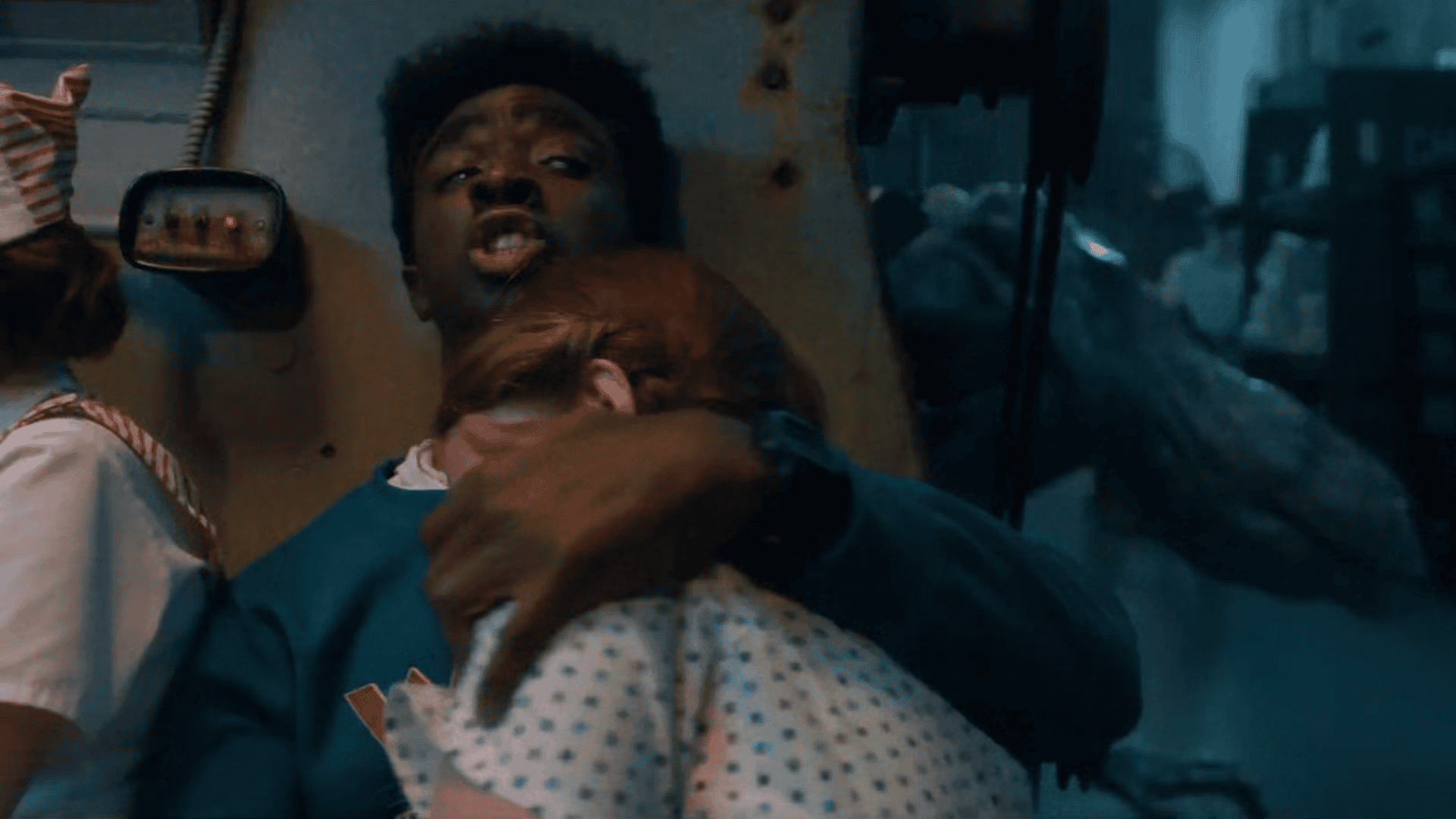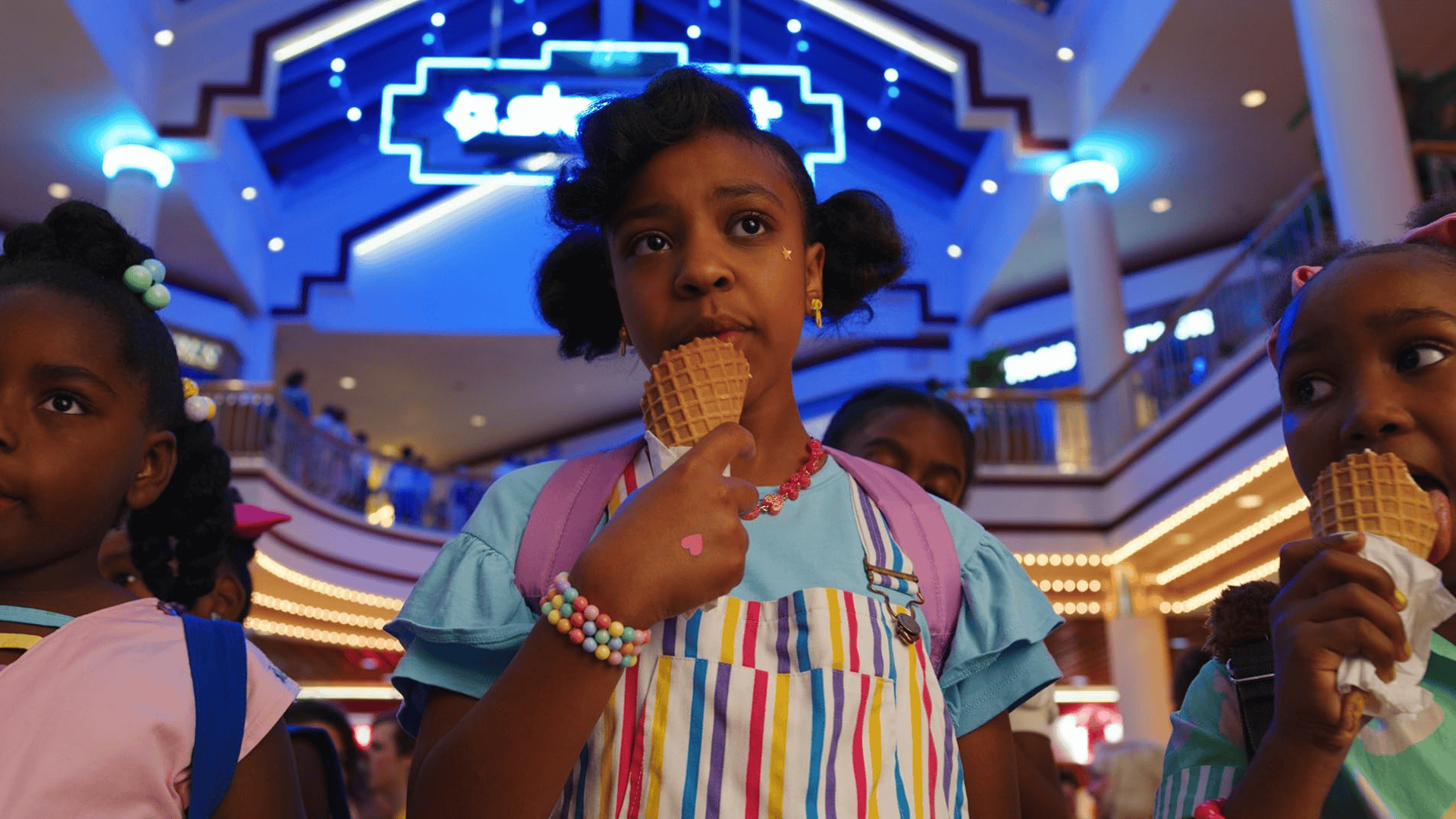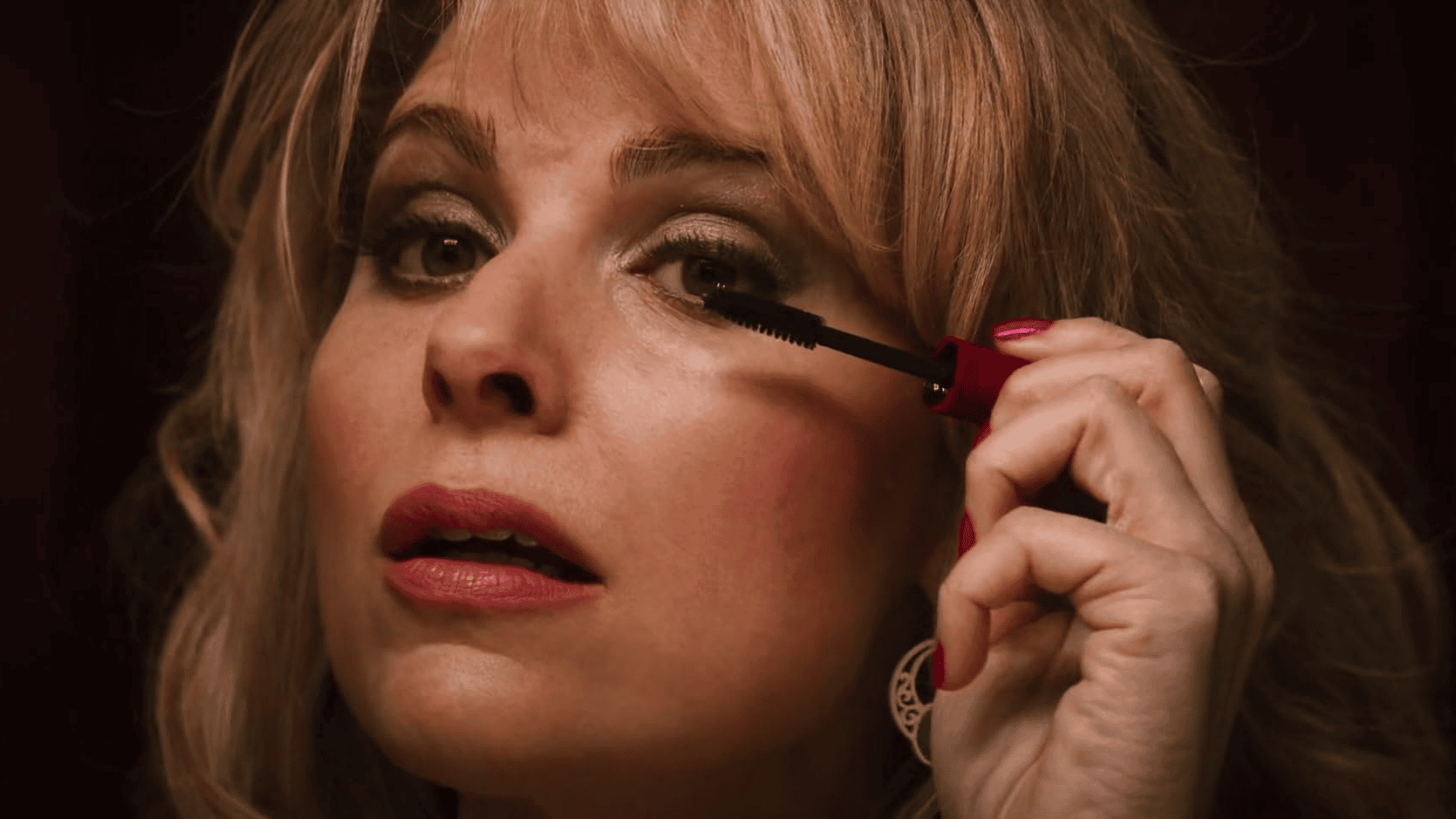
While Season 1 of Stranger Things leaned heavily on introducing Hawkins’ mysteries and the terrifying Upside Down, Season 2 pivoted toward the very human side of the story: the kids. Critics were quick to notice this shift. David Fear of Rolling Stone pointed out that, “By the time you get to the John Hughes finale, in which the school's winter dance ties up numerous loose ends, you realize that Stranger Things 2 has not only been crafting a story about kids fumbling through and finding their way into young adulthood, but that those parts feel more interesting than any Upside Down, et al. shenanigans.”
It’s a testament to the Duffer Brothers’ writing that the show could juggle monstrous horrors with the nuanced awkwardness of adolescence. Characters aren’t just reacting to supernatural threats—they’re growing up, navigating friendships, and learning to assert themselves in a world that often seems overwhelming.
Linda Holmes from National Public Radio praised the broader development of characters like Dustin and Lucas, noting that the latter “wasn’t given a lot of solo time in the first season.” By giving these kids more room to breathe, the series allowed their personalities, quirks, and insecurities to shine. Even Steve Harrington, initially the archetypal “Obstacle Boyfriend,” received an expansion of depth that repositioned him as a complex character capable of both comedy and heroism. These arcs created emotional resonance, giving audiences reasons to care deeply about their fates even when the Upside Down loomed.
For viewers, this focus on character over spectacle was a subtle but powerful evolution. It turned Season 2 into more than just a series of monster encounters; it became a story about growing pains, vulnerability, and the small victories that define youth.
One of the season’s standout achievements was its seamless blending of horror, nostalgia, and humour. Stranger Things has always leaned on 1980s pop culture references—from John Hughes-style coming-of-age tropes to arcade culture and synth-heavy soundtracks—but Season 2 refined this approach, balancing the sentimental with the sinister.
Rotten Tomatoes gave the season an approval rating of 94%, with the critical consensus observing, “Stranger Things' slow-building sophomore season balances moments of humor and a nostalgic sweetness against a growing horror that's all the more effective thanks to the show's full-bodied characters and evocative tone.” The metrics confirm that the critics’ acclaim aligned closely with audience reception.
That said, nostalgia came with its minor pitfalls. Some reviewers, including Holmes, pointed out moments of narrative repetition from the first season. Familiar beats and callbacks occasionally resurfaced, but they were outweighed by the season’s efforts to establish its own identity. Returning characters were given fresh arcs, new mysteries were layered onto existing lore, and even minor players received moments to shine. The winter dance finale perfectly exemplifies this—while visually reminiscent of classic teen films, it resolved character threads with emotional impact, demonstrating the series’ ability to honour its inspirations while charting its own course.
Through humour, dance sequences, and moments of pure adolescent awkwardness, the series ensured that Hawkins felt like a lived-in town, rich with friendships, rivalries, and family drama. All of this made the eventual terror of the Upside Down feel sharper, more threatening, and deeply intertwined with the characters’ lives.
While character growth was central to Season 2, the show never lost its signature sense of dread. The Upside Down continued to expand as a narrative device, providing external horror that mirrored internal emotional struggles. The contrast between these dimensions is part of what critics loved. As the supernatural grew more complex, the kids’ emotional arcs became more urgent and relatable, heightening tension without sacrificing the human heart of the story.
Metacritic recorded a normalized score of 78 out of 100 for Season 2, reflecting “generally favorable” reviews based on 33 critic assessments. The numbers reinforce that Season 2 succeeded in maintaining both suspense and sentiment. The cinematography, lighting, and soundtrack worked in concert to build a tangible sense of unease. Dark corridors, flickering lights, and synth-heavy tracks weren’t just aesthetic choices—they were storytelling tools, embedding tension into every frame.
In a season that doubled down on horror, the writing ensured that the audience never forgot who was at the centre of the story. By juxtaposing supernatural terror with the sweetness of friendships, budding romances, and personal growth, the show reinforced its identity as a series that thrives on emotional investment. Each scare became more impactful because viewers had come to care deeply about those facing them.
Critics highlighted this duality as one of Season 2’s strongest features: the ability to be at once nostalgic, heartfelt, and terrifying. The carefully constructed world of Hawkins allowed viewers to relive the charm of 80s youth culture while experiencing genuine suspense, a delicate balance few shows manage so successfully.
As fans eagerly await Stranger Things Season 5, reflecting on Season 2 underscores the evolution of the series. It reminds us that amidst the supernatural chaos, what makes Hawkins compelling is the warmth, humour, and relatable growth of its characters. From Dustin and Lucas finding their voices, to Steve stepping out of his initial trope, the season laid groundwork that continues to pay off in later installments. By weaving nostalgia with horror, and heart with dread, Season 2 cemented its role as a defining chapter in the Hawkins saga—a chapter that proves even as monsters loom, the sweetness of friendship and personal growth remains central.