When Stranger Things returned for its third season in July 2019, the town of Hawkins felt simultaneously familiar and freshly dangerous. Critics quickly recognised the Duffer Brothers’ ability to balance nostalgia with suspenseful storytelling, encapsulating the essence of what made the series an immediate phenomenon. The season garnered an impressive 89% approval rating on Rotten Tomatoes based on 141 reviews, alongside an average rating of 7.9/10.
The official Rotten Tomatoes consensus summarised the season as, “Vibrant and charming, Stranger Things transforms itself into a riveting - if familiar - summer ride that basks in its neon-laden nostalgia without losing sight of the rich relationships that make the series so endearing.” This captures the delicate equilibrium the show struck: thrilling supernatural plots and Easter-egg-packed ‘80s callbacks, all intertwined with the emotional bonds of the main cast.
Emily Bootle of New Statesman highlighted how Season 3 “returned to strength” after the somewhat inconsistent second season. She praised the series for revitalising the very traits that had originally captured viewers’ hearts—the camaraderie of the Hawkins gang, the thrill of uncovering secrets, and the unmistakable retro aesthetic that makes the show feel like a cinematic time capsule. Meanwhile, Hugh Montgomery from the BBC awarded the season five stars, describing it as “an exhilarating example of a franchise hitting new heights that Hollywood would do well to learn from.”
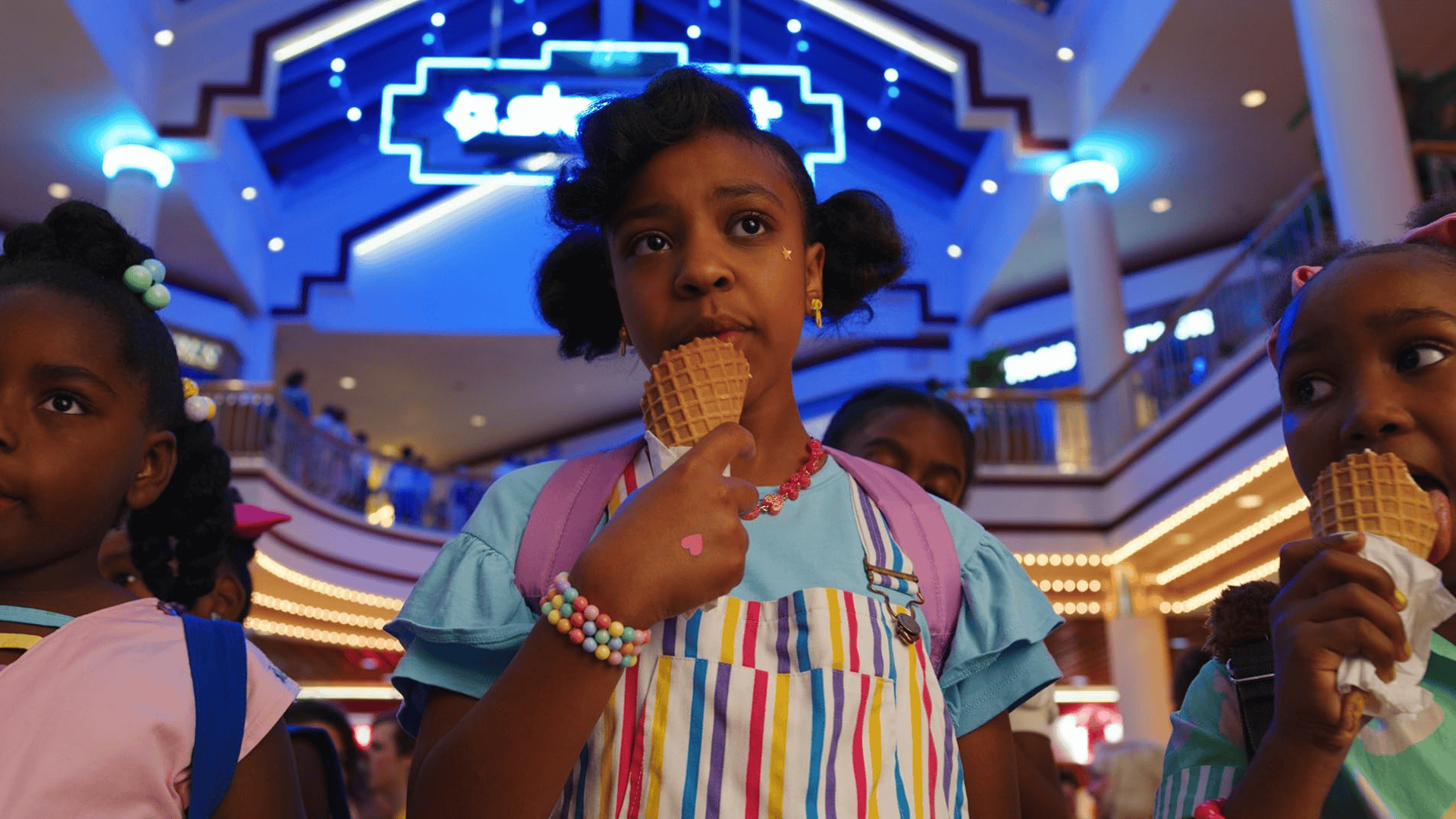
Season 3 leaned heavily into its ‘80s setting, with shopping malls, neon signage, and colourful summer fashion dominating the screen. These elements did more than set the scene; they contributed to the story’s energy, creating a sense of fun and spectacle while the supernatural horrors of the Upside Down loomed just beneath the surface. The balance of whimsy and menace kept audiences engaged, with critics noting that the season’s vibrant style never entirely overshadowed its character-driven heart.
Despite its acclaim, Season 3 faced critiques from several notable outlets. Darren Franich of Entertainment Weekly suggested the season resembled “a Reagan-era pop culture mixtape,” implying that the Duffer Brothers leaned a little too heavily on familiar references rather than letting the story breathe. Ed Power from The Telegraph expressed frustration with the series adhering too rigidly to a “Goonies-meets-Stephen King formula,” arguing that the third season represented the “limpest installment of the three.”
Hank Stuever of The Washington Post also voiced concern, lamenting the series’ attempt to resurrect an elusive ‘80s vibe. He criticised the season as a “mishmash of ingredients,” which, in his view, diluted the narrative’s emotional impact. Daniel Payne of the National Review echoed this sentiment, describing the season’s pacing as “frenetic and bewildering where the first two seasons were slow, careful, and rewarding in crafting their plots.” Payne’s critique centred on the show’s over-reliance on humour, suggesting it sometimes undermined the tension and suspense that had been a hallmark of earlier seasons.
Yet even amidst these criticisms, the season’s successes were impossible to ignore. The character arcs remained a highlight, with Eleven navigating her burgeoning independence, Mike wrestling with his feelings, and Lucas, Max, and Dustin facing both supernatural threats and adolescent growth. The Duffer Brothers ensured that even as the story expanded into larger spectacle, the emotional stakes remained personal.
The visual style of Season 3 was another point of acclaim. Neon signs, reflective sunglasses, and the newly opened Starcourt Mall created a summer blockbuster vibe, while the creeping horror of the Mind Flayer reminded viewers that Hawkins’ idyllic façade always concealed something darker. Critics acknowledged that the Duffer Brothers’ knack for blending style and substance helped the show maintain its identity, even as it pushed into more ambitious territory.
Season 3 arrived during a crowded summer television landscape, yet it managed to carve out a distinct identity. Its pacing and energy evoked the feel of a summer blockbuster, complete with suspense, action, and emotional payoffs that kept audiences invested. The show’s ability to balance horror, humour, and heartfelt storytelling set it apart from other nostalgic revivals and genre fare.
Emily Bootle noted that the season “revitalized the unique characteristics that initially captured audiences’ hearts,” suggesting that the Duffer Brothers had successfully recalibrated the series after some uneven moments in Season 2. The addition of new characters, expanded storylines, and heightened stakes gave the show a sense of progression without abandoning the essence of Hawkins and its inhabitants.
Critics also highlighted how the show used nostalgia effectively, not as a crutch but as a narrative tool. References to classic ‘80s films, fashion, and culture created a sense of authenticity while allowing the series to explore contemporary themes of friendship, loyalty, and identity. By grounding the supernatural chaos in relatable human experience, the show maintained a strong emotional core, ensuring that viewers cared about the stakes even as the world teetered on the edge of the Upside Down.
The season’s final episodes demonstrated the Duffer Brothers’ flair for spectacle. Battles with the Mind Flayer reached new heights of intensity, blending practical effects, CGI, and emotional beats to deliver thrilling and heartfelt payoffs. These sequences reinforced the show’s ability to marry visual excitement with character-driven storytelling, a combination that critics largely celebrated.
As we look forward to Stranger Things Season 5, the reception of Season 3 offers a nuanced perspective on the series’ evolution. It illustrates the challenges of balancing homage with innovation, spectacle with intimacy, and nostalgia with narrative risk. While some critics argued that the season leaned too heavily on the familiar, others celebrated its energetic, neon-lit storytelling and emotional depth.
Ultimately, Season 3 stands as a testament to the Duffer Brothers’ vision and the show’s enduring appeal. It proves that Stranger Things can entertain, thrill, and move audiences while exploring the intricate relationships that give Hawkins its heart. The vibrant nostalgia, the stakes of the Upside Down, and the growth of its beloved characters ensure that viewers remain invested in both the story and the world it inhabits.
As the neon glow of Starcourt Mall fades and Hawkins braces for whatever comes next, Season 3 reminds us why Stranger Things continues to resonate. It celebrates the joys of friendship, the fears of adolescence, and the thrill of discovering a hidden world just beneath the surface. With Season 5 on the horizon, fans have every reason to expect another captivating journey into this uniquely compelling universe.