Back in the early 2010s, Matt and Ross Duffer were sketching out what would become the pilot of Stranger Things, a series steeped in 1980s nostalgia, supernatural intrigue, and the messy, magical world of childhood. Their 20-page pitch book laid out Hawkins, Indiana, in meticulous detail: the sleepy streets, the local arcade, the Starcourt Mall, and, most importantly, the kids who would navigate this eerie landscape.
Yet when the brothers took their idea to roughly fifteen cable networks, the response was, at best, cautious. Executives were wary. Their main concern? Children as protagonists. Networks argued that the focus on young characters might alienate viewers, suggesting instead either a children's programme or a story centred on Chief Jim Hopper investigating the paranormal. These suggestions, while well-meaning, entirely missed the essence of the Duffer Brothers’ pitch: the story’s emotional weight, suspense, and authenticity stemmed from the eyes of the children.
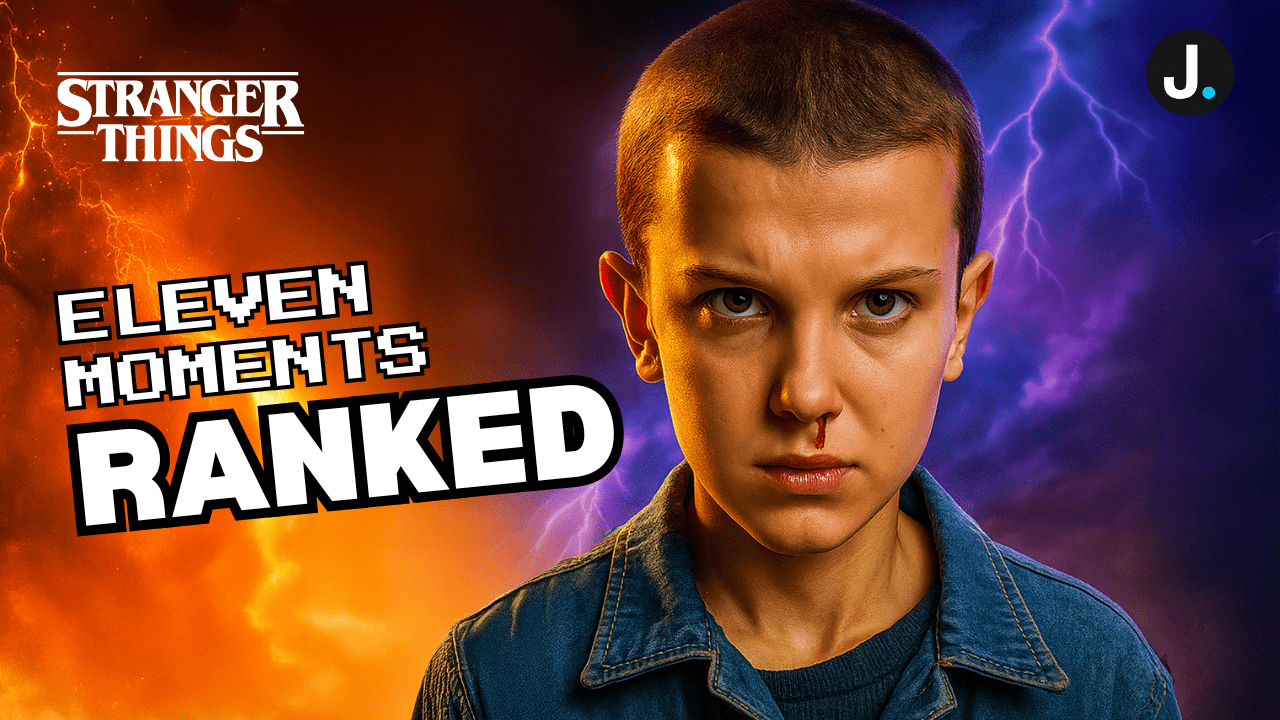
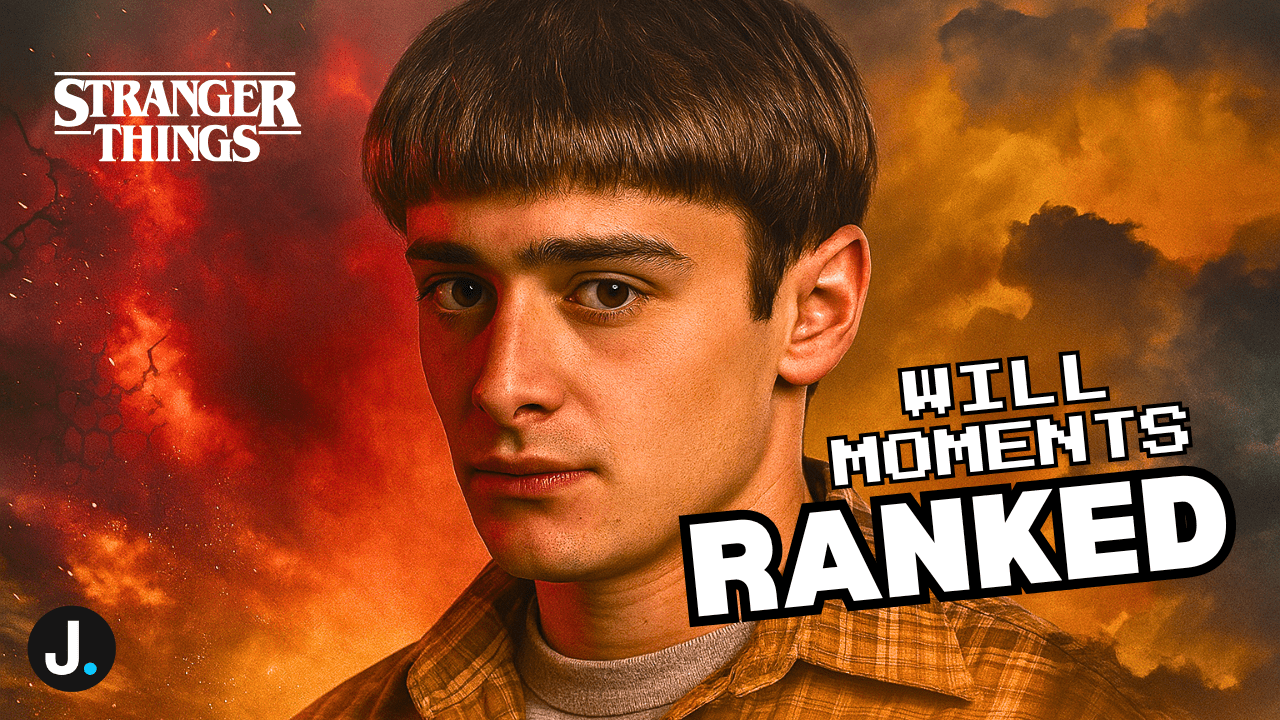
It’s fascinating to imagine Hawkins without Mike, Eleven, Dustin, Lucas, and Will. Without their perspective, the mysteries of the Upside Down risked losing their wonder and terror. Childhood curiosity is the lens that amplifies both fear and empathy, making the supernatural elements more impactful. The networks’ hesitation highlights a broader industry reluctance at the time to trust stories told through youthful eyes, and yet, the Duffer Brothers held fast.
The turning point arrived in early 2015, courtesy of Dan Coen, vice president of 21 Laps Entertainment. Coen recognised what the Duffer Brothers’ pitch truly offered: not just a show, but a potential cultural landmark. Inviting them into his office, Coen purchased the rights to Stranger Things, ensuring the brothers retained full creative control. This meant the show could remain true to its vision, with child protagonists and a meticulous attention to 1980s detail intact.
By April 2015, Netflix came on board, acquiring the entire first season. The streaming giant’s platform proved the perfect vehicle for a show that blended nostalgia, horror, and adventure. Unlike traditional cable, Netflix allowed viewers to binge the series, an approach that amplified engagement, encouraged speculation, and built the fan communities that still thrive today. The first season debuted in the summer of 2016, and the rest, as they say, is history.
This moment underscores the importance of champions like Coen and platforms willing to embrace creative risk. Networks may have doubted the appeal of child-led narratives, but Netflix’s model demonstrated that audiences craved immersive, original storytelling, where age did not dictate narrative authority. The Duffer Brothers’ insistence on keeping the children at the heart of the story set the stage for one of the most influential series of the decade.
The enduring appeal of Stranger Things stems from its combination of nostalgic world-building and universal themes. Friendship, bravery, and the transition from childhood to adolescence resonate across generations. Eleven, Mike, Dustin, Lucas, Will, Max, and the rest of the Hawkins crew embody courage and curiosity, showing audiences that even the youngest voices can drive compelling narratives.
By keeping children at the centre, the Duffer Brothers challenged conventional television wisdom. In doing so, they proved that narratives anchored in youth could tackle complex themes: grief, trauma, sacrifice, and moral courage. The series’ success has inspired other storytellers and networks to explore unconventional angles, reinforcing that age is no barrier to compelling storytelling.
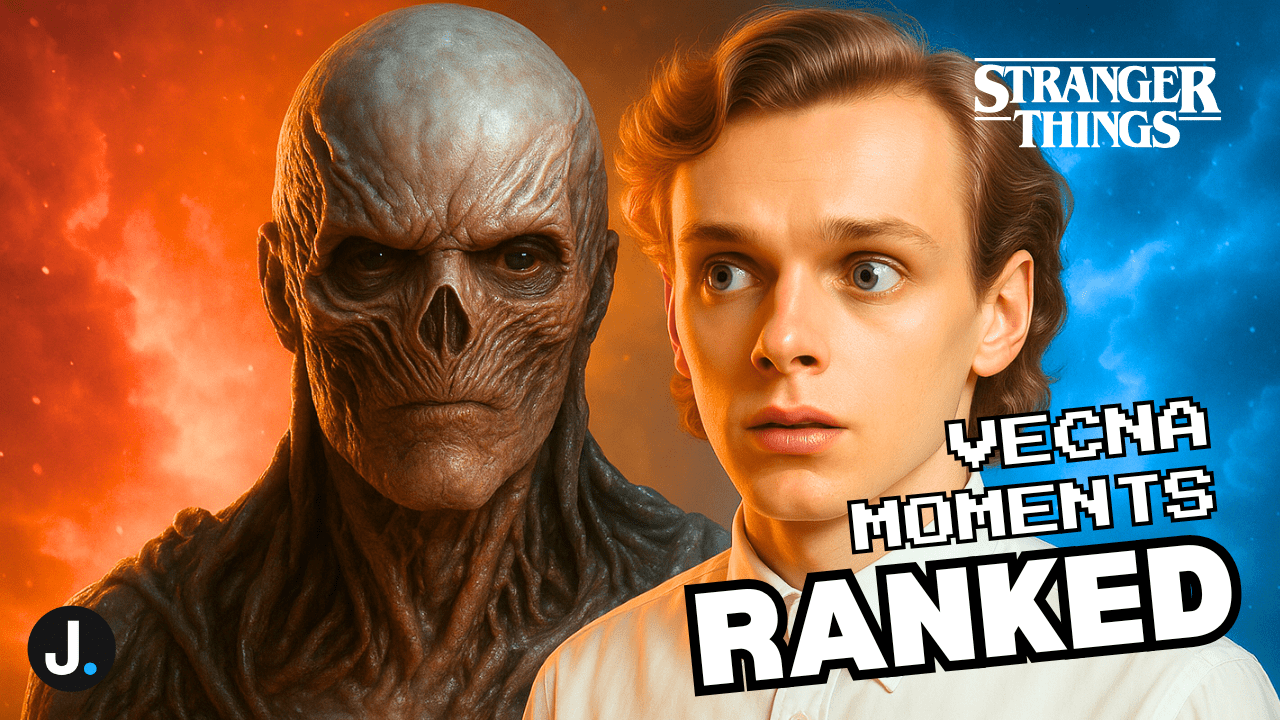
As Stranger Things 5 approaches its November 2025 release, fans can reflect on how close the series came to a very different fate. Had the networks prevailed, we might have lost the charm, ingenuity, and terror uniquely filtered through the lens of childhood. Instead, the Duffer Brothers’ gamble created a multi-generational phenomenon, with millions of viewers worldwide drawn into the mysteries of Hawkins and the Upside Down.
The initial doubts voiced by executives now read as an ironic footnote: a reminder of how industry gatekeepers can underestimate the power of creativity. Stranger Things stands as proof that authentic storytelling—especially when it embraces imagination, fear, and wonder—resonates deeply, creating connections across age, geography, and culture.
Fans anticipate the fifth season not only for the resolution of Hawkins’ supernatural battles but also for the continued evolution of these young characters. The series’ ability to balance nostalgia, suspense, and emotional resonance ensures that each episode delivers both thrills and heartfelt engagement. In a media landscape crowded with adaptations, reboots, and formulaic procedurals, Stranger Things remains remarkable for its dedication to its original vision—a vision that could have been diluted had the Duffer Brothers yielded to industry pressure.
The story of Stranger Things reminds us that sometimes the most daring ideas are the ones that endure. By trusting the eyes of children, embracing the quirks and fears of a bygone decade, and blending the supernatural with everyday emotion, the Duffer Brothers created something that transcends generational boundaries. The success of the series demonstrates how faith in a unique perspective can redefine entire genres, proving that sometimes the bravest characters are those we initially underestimate.