By November 2019, the excitement among Stranger Things fans was electric as casting began for four new male characters poised to shake up Hawkins. The descriptions hinted at both tension and humour: a “metalhead” rocking the rebellious 1980s vibes, an “entitled jock” embodying the classic teen movie archetype, and a character described as Jeff Spicoli’s twin, instantly evoking the carefree stoner energy of Fast Times at Ridgemont High.
These choices weren’t random; they cleverly tapped into the nostalgia that the series thrives on. The Spicoli-inspired character promised comic relief but also highlighted the show’s ability to balance tension and levity. Fans could already imagine these personalities interacting with Eleven, Mike, and the rest of the gang, creating a dynamic that seamlessly blended horror, adventure, and teenage shenanigans.
Adding an adult character linked to the Russian subplot from Season 3 hinted at expanding the series’ more sinister, global-scale storytelling. These casting choices signalled that Hawkins was about to get bigger, scarier, and delightfully more complicated.
Season 4 also reaffirmed the importance of legacy characters. Maya Hawke returned as Robin, much to fans’ relief, while David Harbour reprised his role as Jim Hopper, bringing that familiar mix of gruffness and heart. Their return reassured viewers that the series would maintain continuity while building on the emotional stakes of previous seasons.
Among the newcomers, Tom Wlaschiha was cast as a Russian antagonist, escalating the tension of Hawkins’ entanglement in international intrigue. On October 27, 2020, the series revealed that Levon Thurman-Hawke, brother of Maya Hawke, would appear in an undisclosed role. This addition reinforced a subtle layer of familial intrigue, echoing the way Stranger Things often blends personal relationships with otherworldly horrors.
The writers’ room kept fans buzzing with strategic announcements: Priah Ferguson was set to return, strengthening Lucas’ storyline, while Brett Gelman was promoted to series regular, indicating that the comedic but morally ambiguous adult characters would play a more substantial role in Season 4. This careful balancing of old and new faces underscored the Duffer Brothers’ talent for deep, interwoven storytelling.
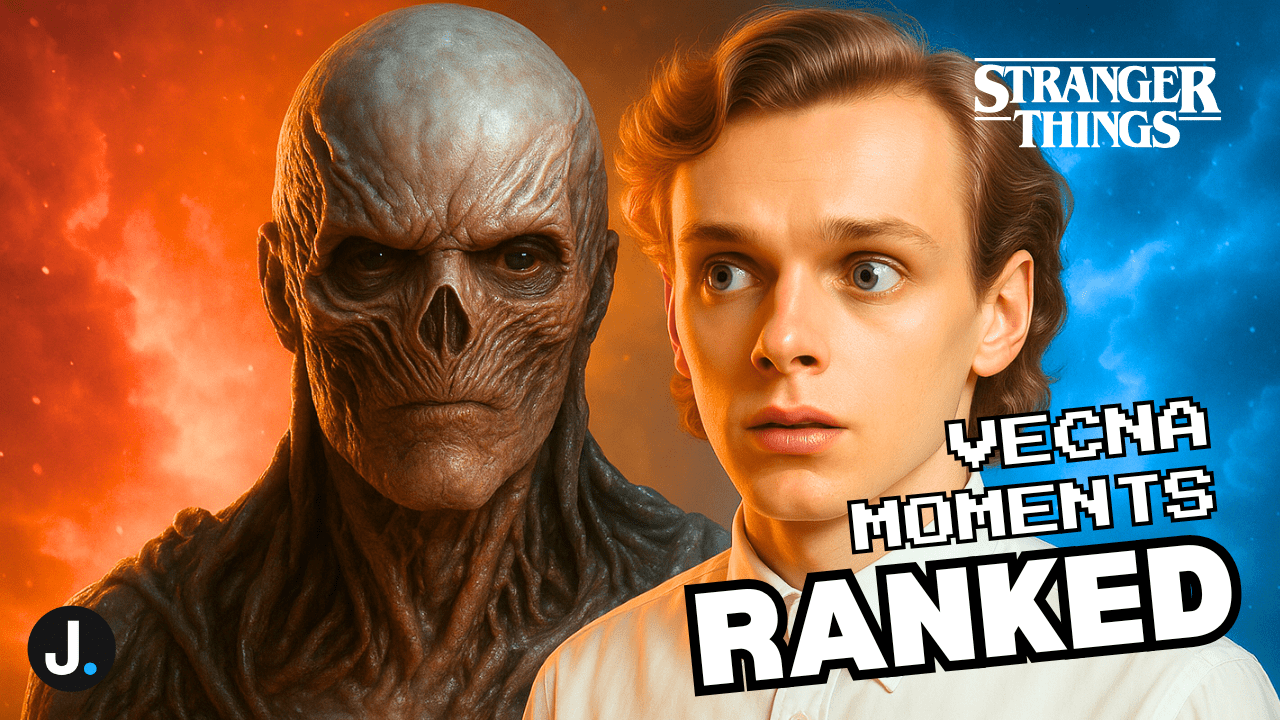
Perhaps the most jaw-dropping casting choice was the enigmatic Jamie Campbell Bower, initially credited as “Peter Ballard” and described vaguely as a “Friendly Orderly.” It was a masterclass in misdirection. Fans who dug deeper eventually discovered that Bower’s character was actually the adult version of Henry Creel, a.k.a. “One,” the first test subject of Dr. Brenner and the adult incarnation of the series’ formidable antagonist, Vecna.
This revelation highlights the intricate narrative architecture of Stranger Things. By disguising Henry Creel as a benign orderly, the series generated suspense and surprise, reminding audiences why they keep returning to Hawkins despite the obvious dangers lurking in the Upside Down. The casting of Bower, whose performance required a chilling balance of charm, menace, and ambiguity, elevated Season 4’s stakes and gave fans a villain whose presence was both psychologically and visually compelling.
The inclusion of Henry Creel as Vecna also provided a critical bridge between the show’s origin story and its present horror. Vecna’s backstory, teased through the casting of a single actor with multiple identities, deepened the mythology and enhanced the payoff for long-time fans. It was a demonstration of the Duffer Brothers’ meticulous attention to character development and storytelling.
Stranger Things 4 proves that casting is more than filling roles; it’s about crafting a universe where each actor, whether a newcomer or returning favourite, contributes to the texture of the story. From Jeff Spicoli’s twin inspiring laughs and levity to the terrifying gravitas brought by Jamie Campbell Bower as Vecna, every decision was calculated to enrich the viewer’s experience.
The thoughtful integration of familial connections, like Maya and Levon Thurman-Hawke, alongside strategic returns of key characters, demonstrates a deliberate commitment to both emotional continuity and narrative depth. These choices allow the series to balance nostalgic charm, teenage angst, adult complexities, and supernatural horror, making Hawkins a place where every corner holds a story.
The actors themselves contributed significantly to these layers. Returning performers like David Harbour and Priah Ferguson helped maintain continuity and emotional resonance, while newcomers injected fresh energy and expanded the scope of the series. The careful orchestration of these casting decisions illustrates how the Duffer Brothers continue to push the envelope in terms of narrative sophistication and audience engagement.
Season 4’s casting decisions also highlight a larger cultural impact. By referencing 1980s pop culture, including archetypes like the stoner, jock, and metalhead, the show reinforces its nostalgic credibility while simultaneously giving new actors a platform to shine. The inclusion of international and adult characters further broadens the scope of Hawkins, showing that even a small town can host epic, multi-layered storytelling.
In essence, the casting for Stranger Things 4 set the stage for Season 5’s looming threats and dramatic confrontations. With Vecna’s chilling presence, the return of beloved characters, and new additions that reflect both nostalgia and innovation, the series ensured that fans remain emotionally invested while eagerly speculating about what horrors—and triumphs—await.
As the countdown to Stranger Things 5 continues, revisiting these casting choices offers both appreciation and insight. Every role, from the friendly orderly hiding a terrifying past to the stoner bringing levity to tense moments, contributes to the series’ unique blend of horror, heart, and humour. The Duffer Brothers’ meticulous attention to casting, storytelling, and audience expectations ensures that Hawkins remains a world worth revisiting—one that continues to surprise, terrify, and delight.
In the end, the casting of Season 4 reminds fans why they fell in love with the series in the first place: it’s about characters who feel real, stakes that feel immediate, and a universe so carefully curated that even a “Friendly Orderly” can hold secrets capable of shaking the very foundation of Hawkins. As we inch closer to the final season, these casting decisions prove that the series’ magic lies as much behind the camera as it does in the Upside Down itself.