Back in 2018, the Emmy Awards shone a spotlight on the small town of Hawkins, Indiana, as David Harbour earned a nomination for Outstanding Supporting Actor in a Drama Series. Harbour’s portrayal of Jim Hopper—Hawkins Police Department’s steadfast yet emotionally complex chief—had captivated audiences from the very first episode.
Hopper is a man haunted by loss, burdened by personal demons, yet fiercely protective of those he loves. Harbour’s performance navigates this emotional terrain with precision. He makes audiences feel the weight of Hopper’s grief while simultaneously celebrating his moments of heroism, whether he’s battling shadowy forces from the Upside Down or offering a quiet, reassuring presence to the children under his care.
The competition at the 2018 Emmys was fierce, and despite Harbour’s undeniable talent, he ultimately lost to Peter Dinklage, who delivered an iconic performance as Tyrion Lannister in HBO’s Game of Thrones. While it could have been a disappointment, Harbour’s nomination alone affirmed the significance of his role within a television landscape crowded with powerhouse performances. It highlighted how a character like Hopper—part flawed human, part action hero—could resonate emotionally with both critics and fans.
Fans often recall Hopper’s journey with a mixture of awe and heartache. From gruff exteriors hiding deep scars to his tender bond with Eleven, Harbour’s performance set a high bar for what supporting roles in modern television could achieve. It wasn’t just acting; it was a masterclass in balancing vulnerability with bravery.
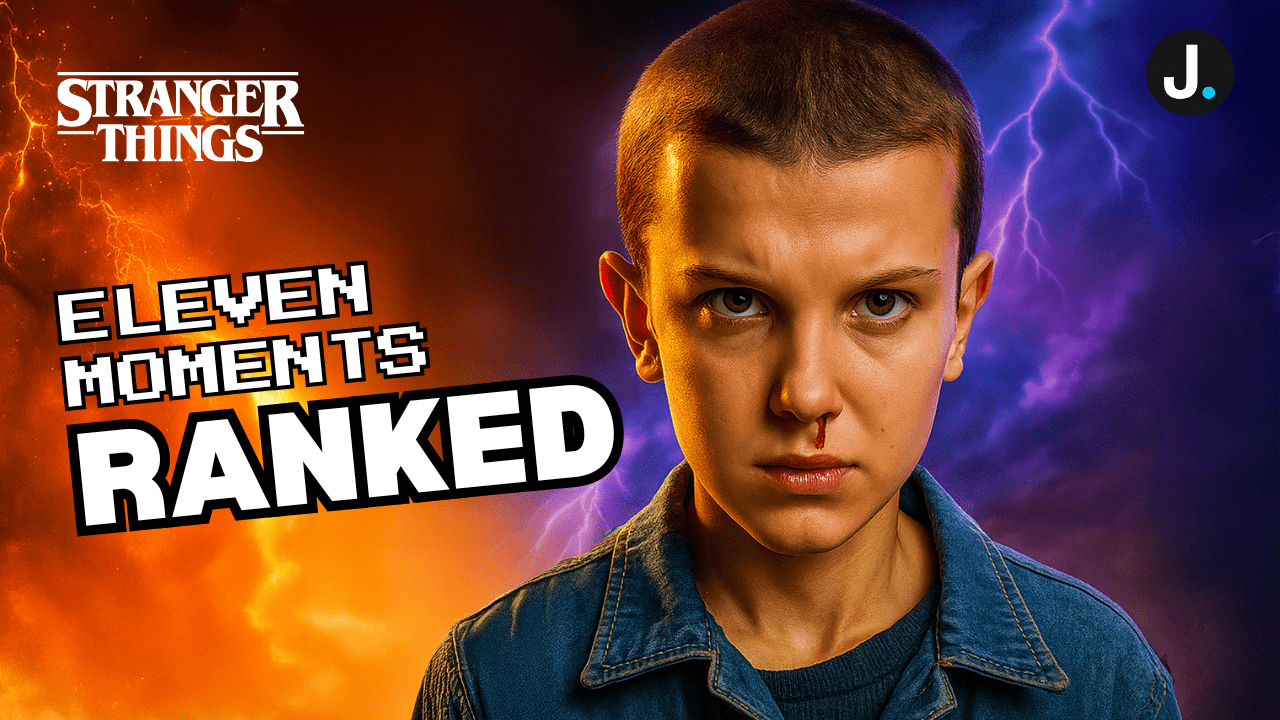
Meanwhile, Millie Bobby Brown was making waves at just 14 years old. Her Emmy nomination for Outstanding Supporting Actress in a Drama Series recognised her portrayal of Eleven, the enigmatic, telekinetic girl whose trauma and bravery form the emotional core of Stranger Things.
Eleven’s journey from frightened, isolated child to empowered young hero is one of the most compelling arcs in the series. Brown’s performance brings to life every nuance—her vulnerability, her fury, her loyalty, and her quiet moments of tenderness. It’s a role that could have easily been overshadowed by the show’s supernatural thrills, but Brown ensures that Eleven’s humanity remains at the centre of every scene.
Despite her nomination, Brown lost to Thandiwe Newton for her role in Westworld. Yet, even without the win, the recognition cemented Brown as a rising star and demonstrated that young actors could hold their own in categories dominated by more seasoned performers. Fans of all ages were inspired by Eleven’s blend of innocence and strength—a character who fights monsters both real and metaphorical, yet never loses her moral compass.
Eleven’s story resonates on multiple levels. Beyond the telekinesis and battles with creatures from the Upside Down, she represents resilience in the face of trauma. Brown’s ability to convey this complexity allowed audiences to invest fully in the stakes of Hawkins, making each of her triumphs feel personal. Her Emmy nod was a symbolic victory in itself, acknowledging how a child actor could carry a series with such gravitas.
The Emmy nominations for David Harbour and Millie Bobby Brown did more than honour individual talent—they underscored the quality and ambition of Stranger Things as a whole. The series thrives on a careful balance of nostalgia, supernatural suspense, and emotional depth, and the performances of Harbour and Brown exemplify this equilibrium.
Hopper and Eleven are not merely characters; they are emotional anchors in a world teetering between the ordinary and the extraordinary. Harbour’s nuanced take on a flawed yet heroic adult complements Brown’s portrayal of a young girl navigating trauma and discovery. Together, they elevate the narrative, giving audiences reasons to care about Hawkins beyond its 1980s aesthetic or terrifying monsters.
These nominations also contributed to the show’s credibility within the television industry. Recognition from the Emmys sent a message: Stranger Things was more than a bingeable hit—it was a series that delivered performances worthy of critical acclaim. For fans eagerly awaiting Season 5, looking back at the 2018 Emmy moments serves as a reminder of the craftsmanship behind the show.
Beyond accolades, Harbour and Brown’s work has left an enduring mark on viewers. Hopper’s gruff heroism, mixed with heartfelt vulnerability, and Eleven’s combination of innocence, power, and moral clarity, continue to define the emotional landscape of Hawkins. As the series progresses, these performances form the foundation on which new storylines, relationships, and threats are built.
The Emmy nods also highlight an essential truth about Stranger Things: at its core, the series is about people. Its monsters, supernatural threats, and alternate dimensions are compelling because they test the characters in ways that reveal their humanity. Harbour and Brown’s nominations underscore the fact that the series’ emotional stakes are as gripping as its suspenseful ones.
As November approaches and fans prepare for the fifth season, reflecting on these Emmy moments adds depth to the anticipation. Harbour and Brown’s nominations remind viewers of why they fell in love with Hawkins in the first place—not solely for the mysteries of the Upside Down, but for the flawed, courageous, and unforgettable people who inhabit it.
With Hopper’s protective gaze, Eleven’s telekinetic defiance, and a cast of supporting characters who enrich every episode, Stranger Things continues to balance thrills, nostalgia, and emotional resonance. Emmy recognition was just one way the industry acknowledged this, but for fans, the true reward has always been witnessing Harbour and Brown breathe life into a world that, though filled with monsters, remains profoundly human.