Stranger Things frequently draws inspiration from classic science fiction and horror films, particularly Ridley Scott’s Alien (1979) and James Cameron’s Aliens (1986). The series incorporates visual motifs, narrative elements, and creature designs reminiscent of these films, using them to shape the atmosphere of the Upside Down.
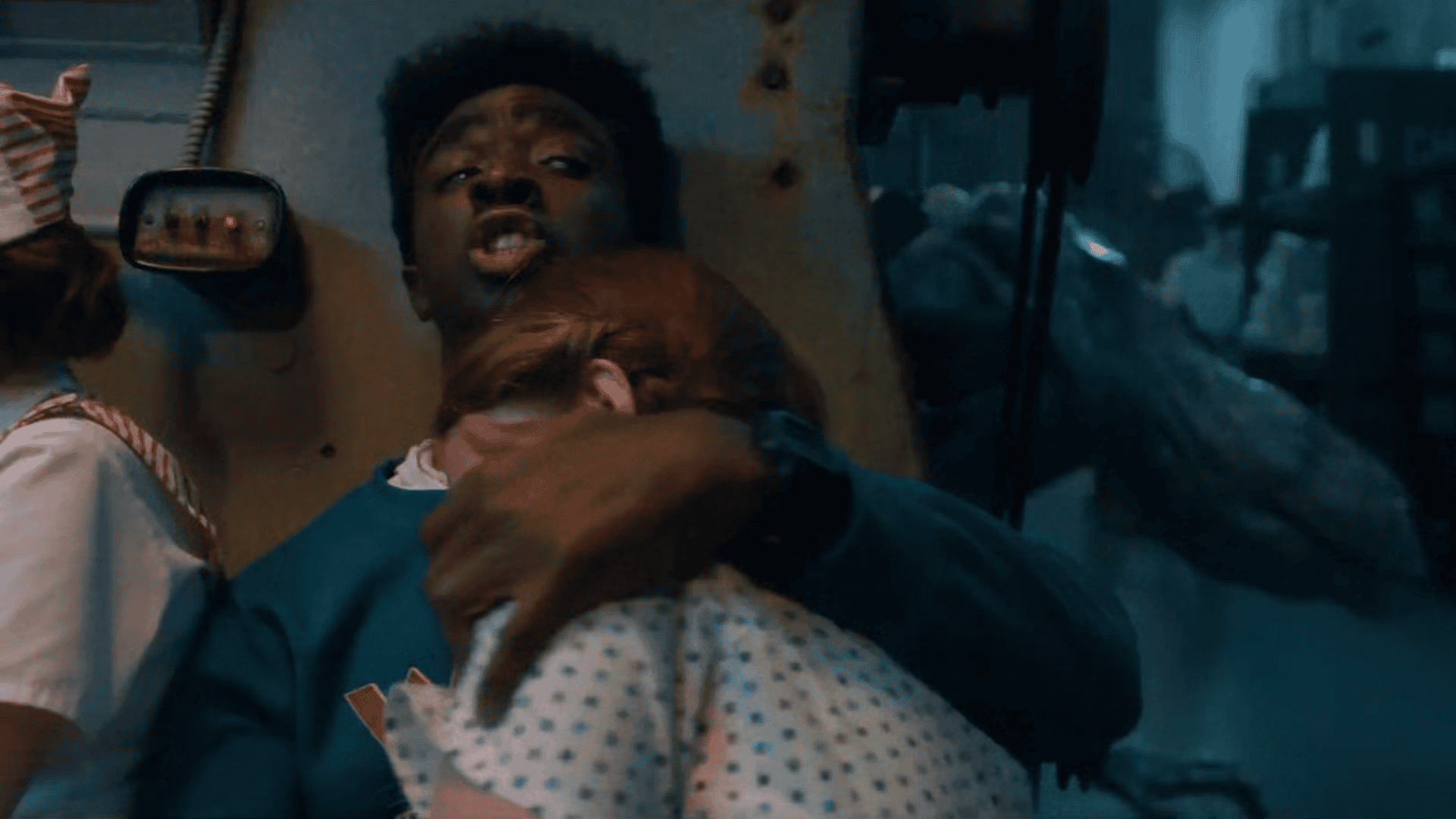
The series’ depiction of tunnels, organic growths, and parasitic structures parallels the xenomorph hives in Alien and Aliens. In Season 2, characters encounter glistening, webbed caverns that resemble the alien hive’s architecture. Similarly, Season 4’s “The Monster” features sequences in which Hopper, Joyce, and others navigate viscous organic material, echoing the tactile horror of Scott and Cameron’s work. These elements contribute to the show’s claustrophobic tension and its focus on the unknown.
The use of cocoons in Stranger Things also parallels Alien and Aliens, particularly in the way humans are encased in organic material. This motif extends the body-horror aspects of the series and reinforces the theme of transformation, both physical and psychological, that recurs throughout the show.
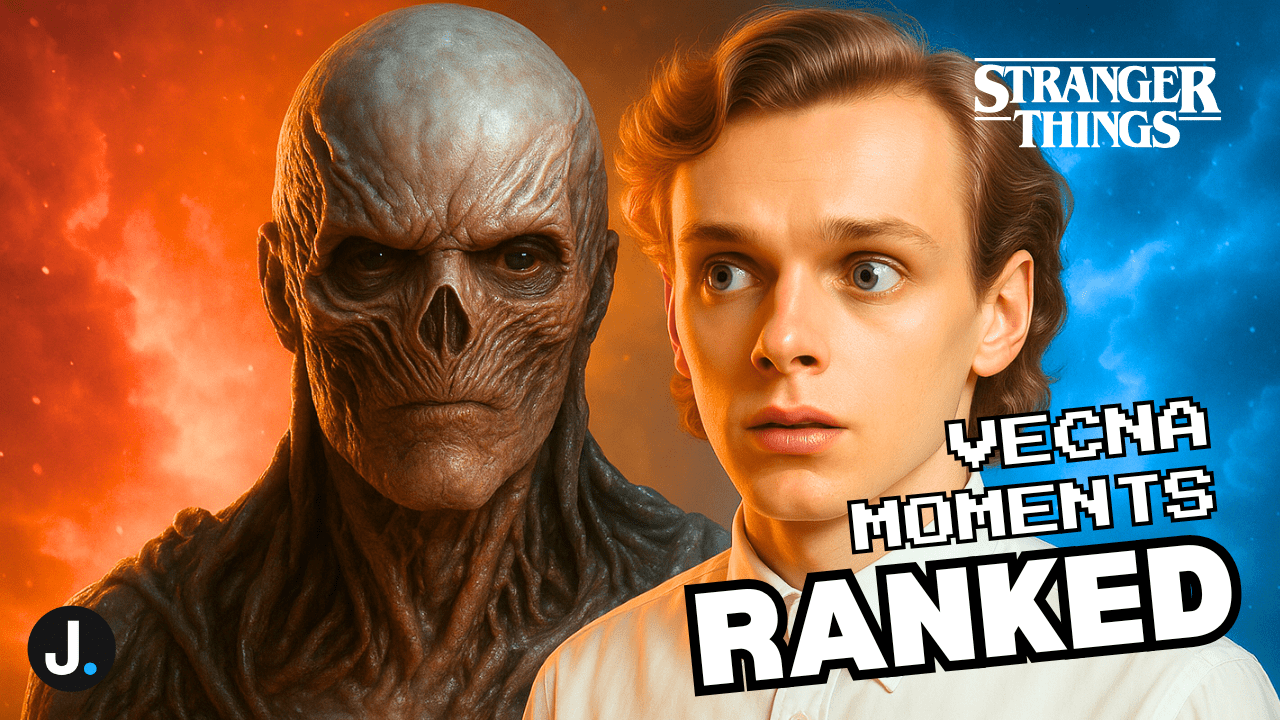
Creature design in Stranger Things similarly reflects the influence of H.R. Giger, whose biomechanical aesthetic defined the xenomorph. The Demogorgon’s elongated limbs, predatory movements, and faceted, petal-like mouth are consistent with the series’ homage to Giger’s style. The Upside Down itself employs a visual language of organic, sinewy structures, creating an environment that feels both alive and hostile.
Lighting and staging in the series further emphasize these influences. Headlamps, flashlights, and Christmas lights function similarly to the marines’ illumination in Aliens, providing both visual focus and suspense. Characters often move tactically through darkened spaces, reinforcing the sense of imminent danger while highlighting teamwork and human resilience.
There are also thematic parallels. Joyce Byers’ determination and protective instincts resemble Ellen Ripley’s role in the Alien films. Both characters confront extraordinary threats to save those in their care, demonstrating courage and resourcefulness in extreme circumstances.
Overall, Stranger Things incorporates elements of Alien and Aliens to create a tense, atmospheric environment that combines science-fiction horror with human-centered storytelling. These influences are integrated into the show’s narrative, visual design, and thematic structure, contributing to the series’ distinctive approach to supernatural and science-fiction horror.