Few horror films have left as indelible a mark on the genre as John Carpenter’s Halloween. Released in 1978, it set the template for the modern slasher movie: suburban tension, an omnipresent stalker, and the terrifying transformation of familiar spaces into arenas of suspense. In Stranger Things, the influence of Carpenter’s craftsmanship is palpable, particularly in Season 2, where the Duffer Brothers integrate subtle yet effective nods to his filmography.
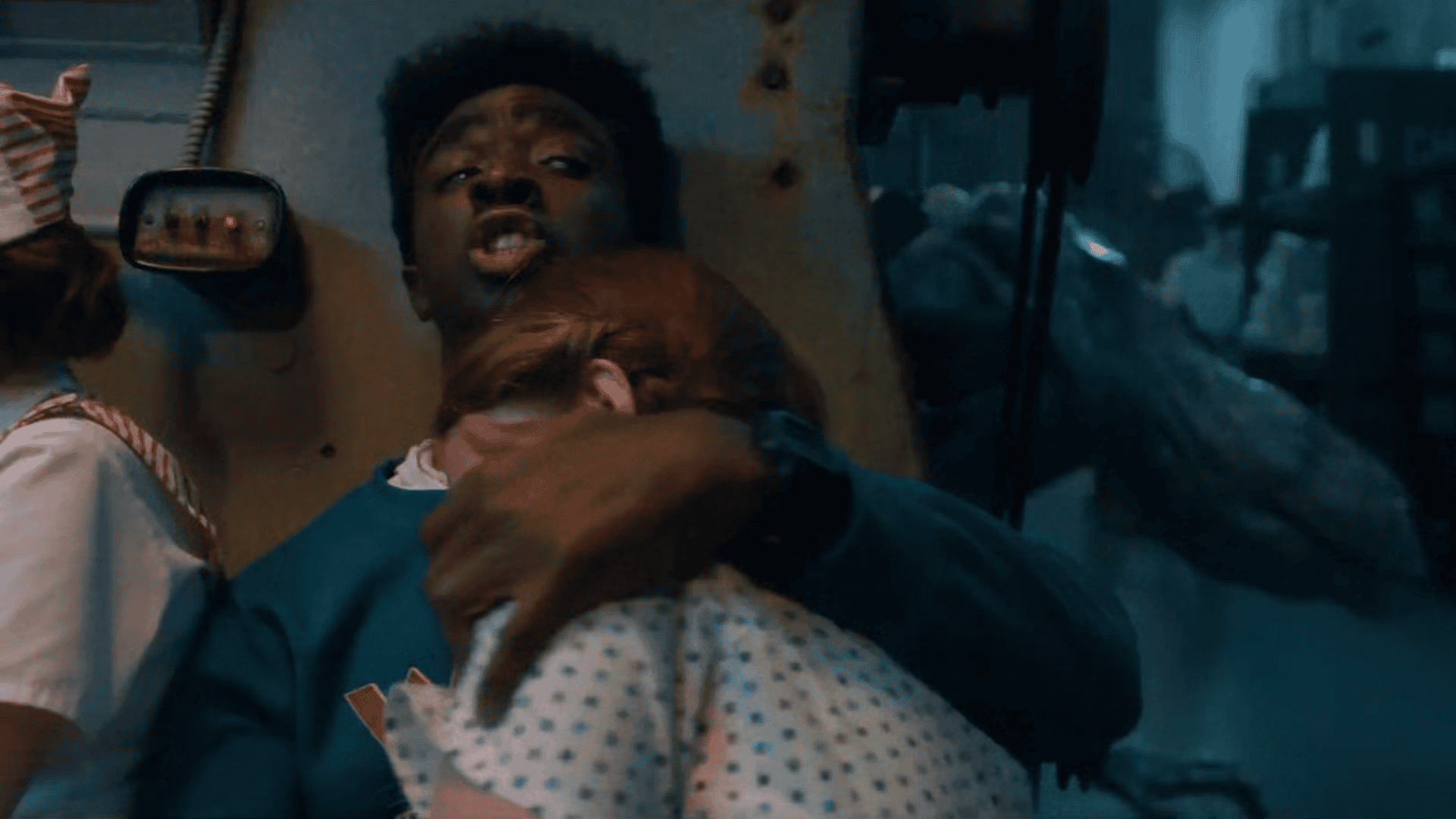
One standout homage occurs during a scene with Max Mayfield, portrayed by Sadie Sink, as she dashes into the Hawkins High hallway to retrieve her skateboard. The camera angles and framing closely mirror the legendary shots of Laurie Strode being followed by Michael Myers, creating an instant sense of tension. Fans have been quick to notice the parallel, and social media lit up with observations like: “The Duffer Brothers are nailing the Carpenter aesthetic here—Max totally channels Laurie.”
This visual echo does more than elicit a knowing grin from horror aficionados. It positions Max’s world within the same emotional register as classic slasher films: ordinary spaces suddenly feel perilous, and everyday actions like walking down a school corridor carry the thrill of impending danger. By integrating such a reference, the show deepens its horror palette, blending supernatural elements like the Upside Down with psychological suspense that resonates across generations.
While Stranger Things delivers its fair share of monstrous encounters—from the eerie Demogorgon to the malevolent Mind Flayer—its homage to Michael Myers demonstrates the series’ capacity for understated terror. This Easter egg doesn’t rely on jump scares or overt violence; instead, it builds tension through framing, perspective, and the viewer’s prior knowledge of horror cinema.
The genius of this approach is how it mirrors Carpenter’s original strategy. Halloween thrives on familiarity: suburban homes, high school corridors, and teenage routines juxtaposed with a lurking threat. Stranger Things translates that same method to Hawkins, Indiana, where the ordinary becomes extraordinary through the lens of suspense. The Michael Myers-inspired scene elevates the stakes without needing to escalate supernatural phenomena—suddenly, Max’s seemingly mundane mission is infused with dread.
This layering of psychological horror reinforces the series’ sophistication. It reminds viewers that fear can be both intimate and expansive, linking a teenage girl in Hawkins to Laurie Strode’s legendary terror. These moments reward attentive audiences, encouraging repeat viewing and discussions that dissect the cinematic techniques at play. As fans explore the interplay between suspense, nostalgia, and narrative function, the series demonstrates a mastery of tension that transcends generational divides.
Beyond individual Easter eggs, the cumulative effect of 1980s references in Stranger Things is nothing short of cultural engineering. The Michael Myers homage is one thread in a richly woven tapestry of cinematic, musical, and pop-cultural cues that envelop Hawkins’ universe. Each visual and narrative choice contributes to what might be called an '80s hive mind'—a collective consciousness of the decade’s aesthetics, fears, and pleasures.
Matt and Ross Duffer have curated a world where iconic horror moments coexist with retro fashion, synthesiser scores, and arcade culture, crafting a universe that feels lived-in yet heightened. The homage to Michael Myers demonstrates the precision of their vision: even subtle nods function narratively, emotionally, and thematically. Fans don’t just see a corridor shot; they feel the pulse of suspense and the weight of historical context behind it.
This interplay between past and present amplifies the storytelling. The series celebrates horror as a genre while using its lineage to enrich the viewing experience. By evoking Carpenter, Hooper, and other horror luminaries, the Duffers encourage both nostalgia and critical appreciation. Audiences find themselves caught in a dialogue between the familiar and the unknown, between teenage struggles in Hawkins and the broader landscape of genre history.
As Stranger Things 5 approaches, anticipation is not solely for new plot twists or supernatural confrontations. Fans are equally excited for the hidden references and intertextual flourishes that the Duffers embed, from cinematic homages to music cues and costume design. Each layer of the show invites deeper engagement, prompting viewers to explore the lineage of horror cinema while celebrating the inventive ways in which it is reimagined on screen.
The Michael Myers Easter egg in Stranger Things exemplifies the series’ multi-layered approach to storytelling: it balances homage with narrative significance, suspense with emotional depth, and nostalgia with innovation. By drawing on Carpenter’s legacy, the show demonstrates how horror can be both referential and freshly terrifying, bridging decades and generations.
Fans dissecting this moment gain insight into the care and craft behind the series. Max’s hallway dash becomes a site where cinematic memory, teenage courage, and supernatural dread intersect. It’s a subtle reminder that Stranger Things is as much a dialogue with horror history as it is a thrilling adventure in its own right.
In the run-up to Season 5, viewers can expect further Easter eggs, layered references, and ingenious storytelling devices that reward both casual fans and genre scholars alike. By examining these intricate details, audiences appreciate the artistry behind the series and its dedication to weaving a rich, culturally resonant narrative that honours its influences while creating a universe entirely its own.