When Matt and Ross Duffer first pitched Stranger Things to Netflix, their dream wasn’t just to make a hit supernatural show. They wanted to create something that felt like childhood. Something that captured that ineffable mix of adventure, terror and warmth that defined 1980s cinema. Specifically, they wanted it to look and feel like an Amblin Entertainment movie — that hallowed production company founded by Steven Spielberg, Kathleen Kennedy, and Frank Marshall, whose logo (the boy on the bike silhouetted against the moon) still triggers a wave of nostalgia across generations.
As Matt Duffer once put it, their goal was to terrify audiences without relying on gore. “Much more about mood and atmosphere and suspense and dread than they are about gore,” he explained — describing what made Amblin films so enduring. It’s an ethos that runs deep through Stranger Things, from the soft-focus suburban streets of Hawkins to the palpable sense of dread that something unseen is lurking just beyond the frame.
It’s no coincidence that when Stranger Things premiered in 2016, critics and audiences alike immediately drew comparisons to E.T., The Goonies, Poltergeist and Close Encounters of the Third Kind. These weren’t lazy callbacks; they were the Duffers’ DNA. Every flickering light, every bike ride through the woods, every shot of kids whispering their plans under street lamps at dusk — it all screamed “Amblin.” But while nostalgia was the hook, emotion was the anchor.
The Duffers didn’t simply mimic Spielberg’s sentimentality or Richard Donner’s adventure pacing. They distilled what those films did best: they made you care. Before the monster attacked, before the government conspiracy unraveled, you’d already fallen in love with the characters.
That emotional authenticity is what makes Stranger Things resonate so profoundly. It’s why audiences forgive the occasional slimy Demogorgon or tentacled shadow beast — because beneath it all, the show beats with a very human heart.
Stranger Things and the Amblin Effect
There’s a strange sort of courage in restraint. In an era where horror often equates to splatter, jump scares and body counts, The Duffer Brothers made a deliberate choice to do something different. They wanted tension to come from the audience’s imagination rather than what was shown on screen.
The result? A show that unsettles you not with violence, but with quiet dread. The feeling that something’s off — that flicker in the Christmas lights, that silhouette in the woods, that faint hum of something moving through the walls.
In their homage to Amblin, the Duffers tapped into the essence of childhood fear. Think of E.T. when the agents in hazmat suits invade the suburban home, or Poltergeist when toys suddenly spring to life. There’s very little gore, yet those scenes are burned into our collective memory because they hit a primal nerve.
That’s the magic formula that powers Stranger Things. Its scariest moments rarely rely on blood — they rely on imagination. When Joyce Byers (played with feverish brilliance by Winona Ryder) strings up those fairy lights in Season 1 to communicate with her missing son, it’s a moment straight out of Spielberg’s playbook. Awe and terror intertwined. The ordinary becomes extraordinary.
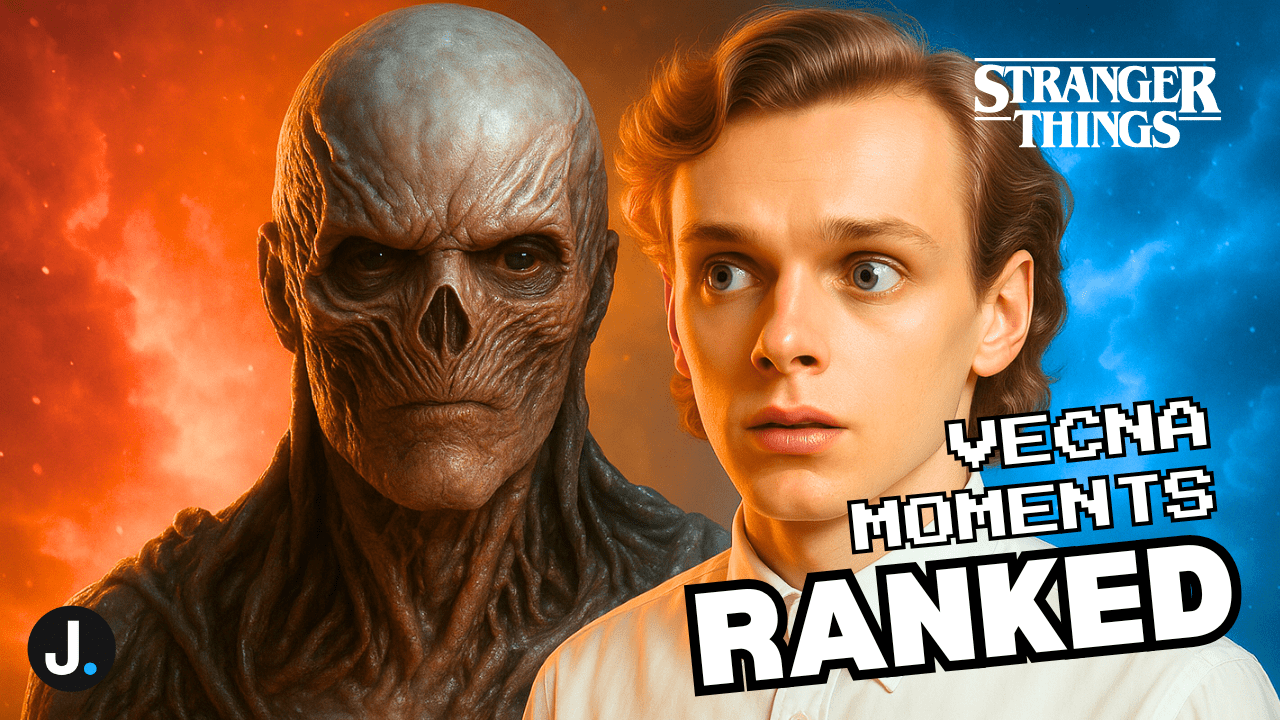
Even the show’s creature design reflects that philosophy. The Demogorgon, inspired by Alien’s Xenomorph and The Thing’s grotesque transformations, isn’t just a monster; it’s an idea — the fear of the unknown lurking beneath normal life.
By focusing on atmosphere, the Duffers gave Stranger Things its cinematic texture. The show looks and feels like a movie, with cinematography that mirrors the warm tones and wide-eyed wonder of Amblin classics. Those long tracking shots of kids cycling down empty streets? Pure E.T.. The washed-out glow of basement lights during Dungeons & Dragons campaigns? Straight out of The Goonies.
But atmosphere alone doesn’t sustain a story across five seasons. What makes Stranger Things so gripping is how it fuses that nostalgia with emotional realism. The Duffers didn’t just recreate the 1980s; they reinvented it through the lens of loss, trauma, and resilience. It’s what gives the series its power — the ache beneath the neon.
For all its sci-fi trappings and supernatural showdowns, Stranger Things has always been about relationships. About friendship, grief, and the eternal awkwardness of growing up. And that’s where the Duffers’ Amblin influence shines brightest.
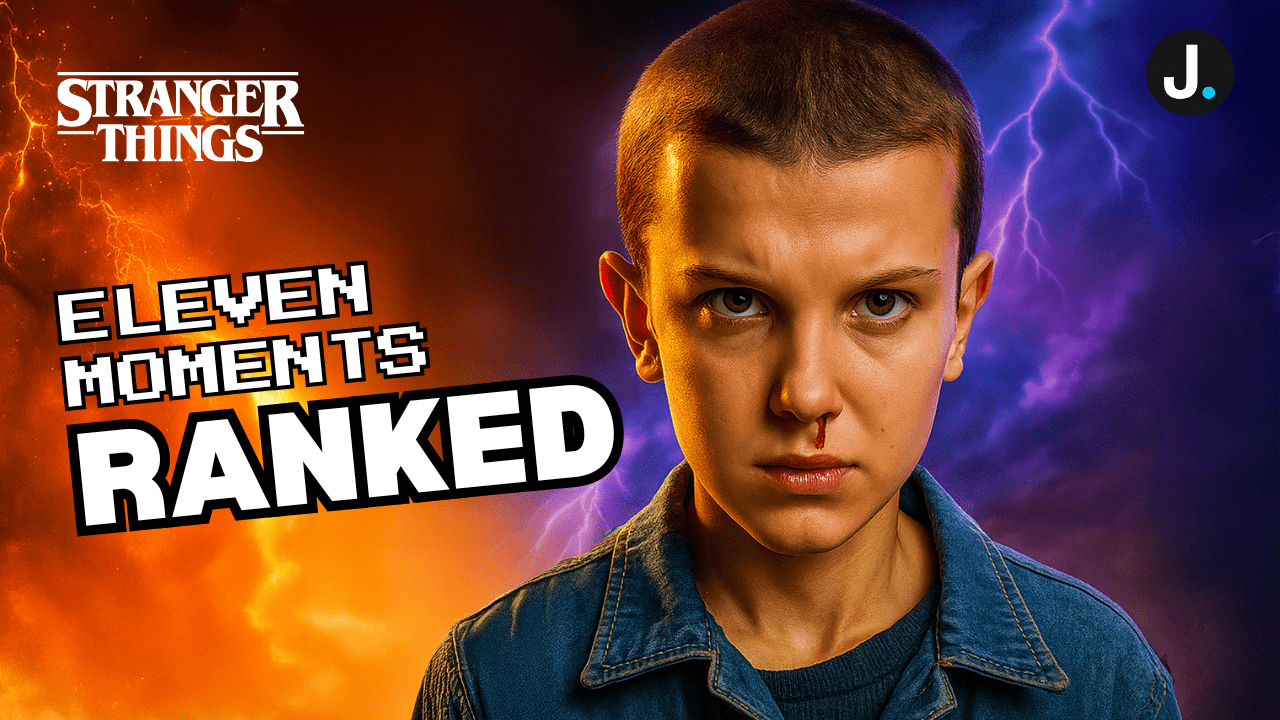
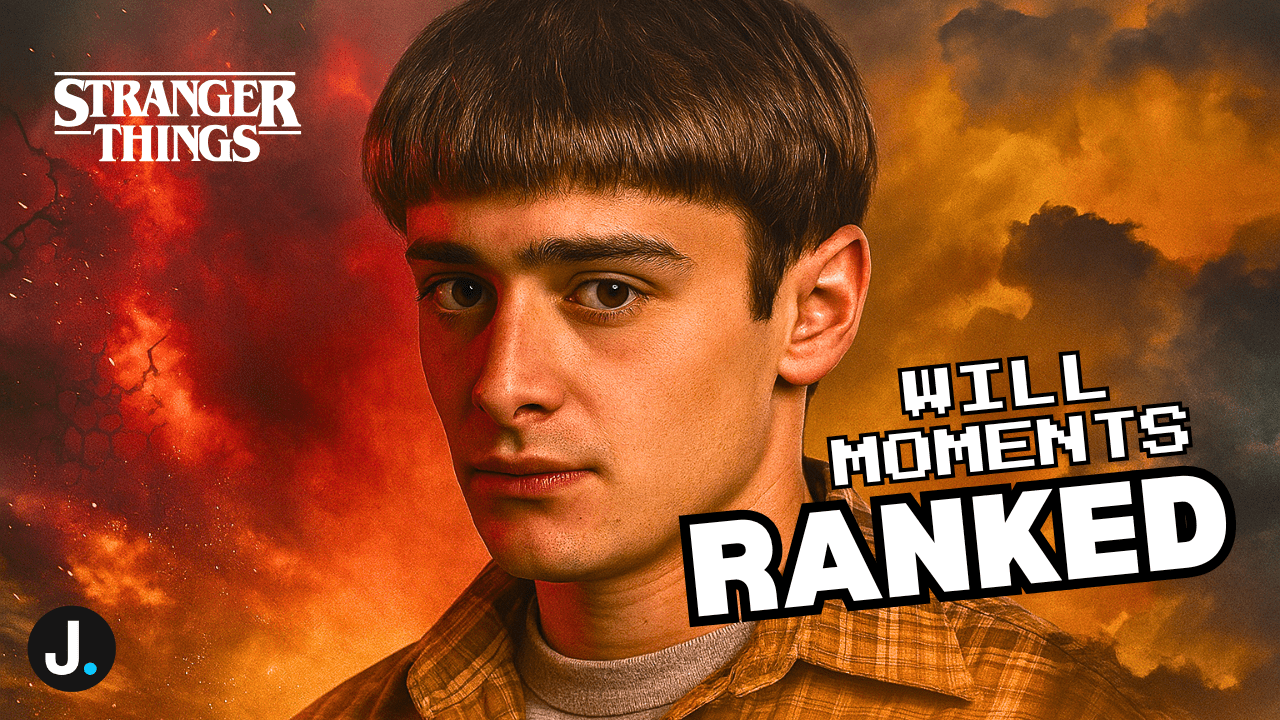
Just as Spielberg made us care about the kids in E.T. or the misfits in The Goonies, the Duffers made us fall for Eleven, Mike, Dustin, Lucas, Will, and Max — characters who feel utterly real despite living in a world full of monsters and telekinetic experiments.
From the very beginning, the Duffers struck a delicate balance between homage and innovation. They didn’t want Stranger Things to become a museum of nostalgia, but rather a living evolution of what Amblin pioneered. The result is a show that wears its influences proudly but never feels derivative.
It’s this emotional intelligence — the ability to weave wonder and horror with heartbreak — that keeps Stranger Things grounded. Beneath every chase through the Upside Down lies a thread of human vulnerability. We watch Eleven wrestle with her identity, Hopper grieve through quiet acts of heroism, and the kids face the messy blur between childhood and adulthood.
As the series progressed, the Duffers leaned into darker themes without abandoning their roots. Later seasons brought edgier visuals and more intense emotional beats, yet the show’s soul remained intact. You still get those Amblin-esque moments of triumph — kids banding together, flashlights cutting through fog, bikes squealing down roads — but now they carry the weight of loss and growth.
That’s where the Duffers’ mastery lies. They understand that nostalgia only works when it’s tied to emotion. Stranger Things isn’t about reliving the past; it’s about processing it.
And perhaps that’s why, even as Season 5 looms, the anticipation feels less like waiting for another blockbuster and more like preparing to say goodbye to old friends.
Matt and Ross Duffer have made no secret of their debt to Amblin Entertainment, but their genius was in realising that nostalgia alone wouldn’t sustain their story. By fusing Amblin’s emotional warmth with modern storytelling rhythms, they created something timeless. Something that feels familiar yet brand new every time the title card flashes on screen and those synth notes swell.
As the brothers once reflected in interviews, paying homage to their influences wasn’t about imitation — it was about evolution. By taking what made 1980s cinema so magical and blending it with contemporary depth, they built a world that bridges generations. Parents see echoes of their childhoods; kids experience that same wonder for the first time.
It’s a legacy that few shows achieve, and it’s why Stranger Things has become far more than a cultural phenomenon. It’s a shared language between eras — an emotional handshake between then and now.
And as we inch closer to Stranger Things 5, that legacy feels more poignant than ever. The final chapter promises to bring everything full circle: the atmosphere, the dread, the heart. The Duffers have always said their greatest challenge was balancing Amblin-inspired magic with contemporary storytelling — and if the past four seasons are anything to go by, they’ve already nailed it.
Because in the end, that’s what Stranger Things does best. It reminds us that true horror doesn’t come from monsters — it comes from losing what we love. And true magic? That comes from finding it again, even in the dark.
So as Hawkins prepares for one last showdown, it’s worth remembering where it all began — with two brothers who wanted their little sci-fi story to feel like a memory. And thanks to their Amblin dream, it does. Every flicker of light, every synth note, every tear and scream. It all feels like home.