Few names in cinema conjure a world so effortlessly strange and yet hauntingly familiar as David Lynch. Known for films like Blue Velvet, Eraserhead, and the small-town surrealism of Twin Peaks, Lynch has long fascinated filmmakers who seek to blend the mundane with the bizarre. For the Duffer Brothers, Matt and Ross, Lynch’s work isn’t merely inspirational—it is woven into the very fabric of Stranger Things.
“We love David Lynch,” Matt Duffer confessed during a recent Television Critics Association panel. “So many of these guys, we grew up watching and idolizing. They were big influences on us. They’re part of our DNA now, I think.”
It’s hard to overstate what this means for Stranger Things. From the very first episode, the series thrives on juxtaposing the ordinary and the extraordinary. Hawkins, Indiana, appears like any small American town, complete with school dances, arcade games, and teenage drama. Yet lurking beneath its suburban exterior is a shadowed realm filled with monstrous creatures, secret government projects, and enigmatic portals to other dimensions. This interplay of normality and nightmare, of the everyday intersecting with the surreal, echoes Lynch’s signature approach to storytelling.
Ross Duffer elaborated further, pointing out thematic links that unite Lynch with another titan of the Duffer Brothers’ pantheon, Steven Spielberg. “What connects Lynch to Spielberg is […] how ordinary people encounter extraordinary - or strange - things. That was really the thread that connected all of our favorite things in the world.”
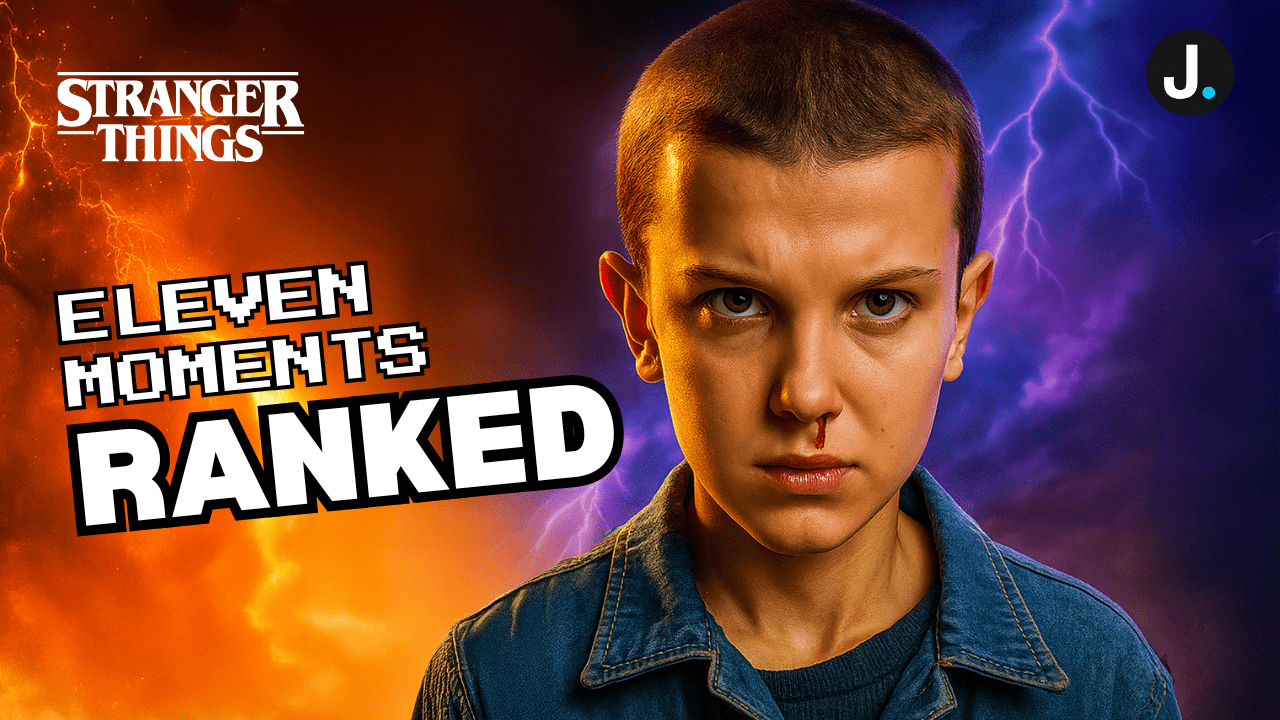
Think about that for a second. Whether it’s Mike Wheeler navigating the Upside Down in search of his friend, Eleven grappling with her otherworldly powers, or Chief Hopper confronting forces beyond comprehension, Stranger Things places relatable characters in surreal circumstances. This is the heart of Lynchian influence: the uncanny lurking within the familiar.
The Duffer Brothers’ homage to Lynch is more than aesthetic; it shapes how they construct narrative, particularly in weaving suspense and mystery. While Lynch often leaves his audience with more questions than answers, Stranger Things manages a delicate balancing act: it provides closure without flattening intrigue.
“We have answers for all this,” Ross explained, acknowledging the meticulous planning behind the series’ sprawling storylines. “Hopefully, as much of it is resolved by the time we end so it feels like a satisfying whole.”
Yet even as they plan resolutions, the Duffer Brothers embrace Lynch’s philosophy of the esoteric. “David Lynch is very esoteric,” Matt noted. “He doesn’t explain anything.” This ethos encourages a storytelling style where ambiguity enhances engagement. Viewers are invited into a world that feels alive and unpredictable, where each revelation comes with ripple effects, and some mysteries persist, sparking conversation long after the episode ends.
Lynch’s influence manifests in Stranger Things not only through narrative ambiguity but also through the tone and atmosphere. The series often teases horror through subtle dissonances: a long hallway that seems too quiet, a flickering light that hints at danger, or the juxtaposition of a mundane teen drama with the malevolence of the Upside Down. These choices, which might appear simple, are rooted in a Lynchian understanding that tension thrives in the spaces between ordinary and extraordinary, in the familiar rendered strange.
Even character interactions carry the imprint of Lynch. Hopper’s gruff yet emotionally vulnerable persona, Joyce Byers’ obsession with the unknown, and even the teenage banter of Mike, Dustin, and Lucas—all are suffused with the duality Lynch explored: human warmth amid surreal, sometimes terrifying, environments. By integrating this duality, the Duffer Brothers create a world that feels both grounded and otherworldly, a hallmark of Lynch’s cinematic DNA.
As the countdown to Season 5 continues, the anticipation isn’t solely about plot twists or climactic battles with the Upside Down. Fans are equally excited to see how Stranger Things continues to integrate the myriad influences that define its identity, particularly the subtle Lynchian threads.
Netflix’s Chief Content Officer, Ted Sarandos, highlighted the platform’s careful approach to concluding the series. “We always want to take some time, to be thoughtful about the process,” he remarked, a sentiment that aligns perfectly with the Duffer Brothers’ methodical storytelling philosophy.
For viewers, this means the final season promises more than action and scares; it will be a celebration of the surreal, the uncanny, and the idiosyncratic. Expect the series to continue exploring ordinary characters encountering the extraordinary, mysteries that linger just out of full comprehension, and emotional beats grounded in the relatable human experience.
It’s a perfect synthesis of past and present, paying homage to the filmmakers who shaped the Duffer Brothers’ vision while allowing Stranger Things to establish its own distinct identity. Just as Lynch’s work challenges audiences to interpret, speculate, and engage, Stranger Things encourages fans to immerse themselves fully, to debate theories, and to treasure the moments where the mundane collides spectacularly with the supernatural.
Lynch’s influence, like a shadow across Hawkins, ensures that even as the series reaches its finale, the world of Stranger Things remains unpredictable, layered, and utterly captivating. It’s this fusion of homage and innovation that elevates the show, making it more than a nostalgic thrill ride: it’s a contemporary masterclass in suspense, emotion, and narrative craft.
And so, as November 2025 approaches, viewers will not only witness the resolution of Hawkins’ mysteries but will also experience a thoughtful homage to the surreal legacy of David Lynch—a reminder that sometimes the most extraordinary moments occur within the ordinary, and that the uncanny can be found in the quietest corners of our imagination.
Stranger Things has always thrived at the intersection of nostalgia, horror, and the fantastic, and the Duffer Brothers’ admiration for David Lynch underscores why the show resonates so deeply. Every flickering light, every mysterious shadow, and every character grappling with forces beyond their understanding carries a whisper of Lynch’s philosophy: reality is stranger than it seems, and the familiar often hides the extraordinary.
From its inception, Stranger Things has taken audiences on a journey that is thrilling, emotionally resonant, and intellectually engaging. By integrating Lynchian surrealism into the DNA of Hawkins, the series ensures that viewers are not passive observers but active participants, piecing together mysteries, interpreting character motives, and basking in the eerie delight of a world that is simultaneously nostalgic, terrifying, and wonderfully strange.
As we approach the final season, the series promises to deliver not just closure but a celebration of everything that makes Stranger Things unique: the humour, the horror, the heartfelt friendships, and the uncanny echoes of cinema’s most enigmatic visionaries. In short, the Duffer Brothers’ tribute to David Lynch isn’t merely an influence—it is an essential ingredient in the magic that has kept audiences captivated for half a decade.