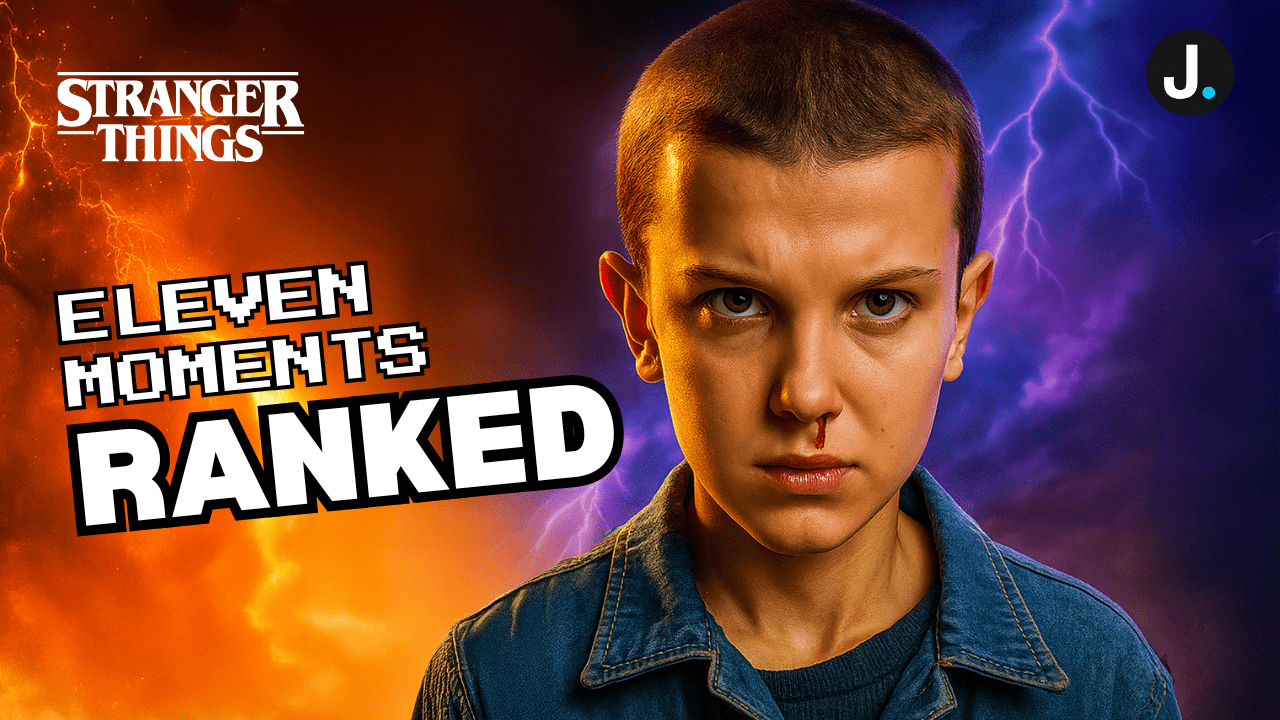
Few visual cues in modern television are as instantly recognisable as the blood trickling from Eleven’s nose whenever she strains her abilities. These fleeting, crimson droplets have become emblematic of the physical cost of wielding psychic power, serving as a visceral reminder that the supernatural does not come without consequences. Fans of Stranger Things know that these moments are often preceded by intense focus or telekinetic exertion, whether she’s flipping vans, interrogating government agents, or delving into the Upside Down.
The Duffer Brothers have carefully used this motif to create tension and empathy. Viewers witness Eleven’s vulnerability through these nosebleeds, forging a connection between her extraordinary powers and the human limits they test. It’s a narrative shorthand that works beautifully: the physical manifestation of pain mirrors the emotional and ethical weight of her decisions, creating a multidimensional character whose triumphs feel hard-earned.
Alien Ripley’s Influence on Eleven in Stranger Things
The idea of physical strain as a marker of heroic endurance has cinematic precedents, most notably in the character of Ellen Ripley, played by Sigourney Weaver in Alien (1979). Ripley’s battles aboard the Nostromo are fraught with tension, fear, and corporeal cost, from wounds sustained while confronting the Xenomorph to the sheer exhaustion of navigating an alien environment. These physical markers of struggle help communicate the stakes, humanising Ripley while reinforcing her status as a powerhouse protagonist.
By incorporating nosebleeds into Eleven’s character design, Stranger Things explicitly references this legacy. The homage is more than stylistic; it situates Eleven within a lineage of strong female leads who confront overwhelming threats and survive through resilience, intelligence, and moral fortitude. In an interview reflecting on genre inspirations, the Duffer Brothers noted that these nods to classic sci-fi horror were intended to enrich the visual storytelling, signalling respect for the genre’s history while creating layers that hardcore fans can appreciate.
Eleven’s nosebleeds resonate beyond homage—they reflect broader themes of empowerment and vulnerability in genre storytelling. In both Alien and Stranger Things, the female protagonist is defined not only by her strength but by the physical and emotional costs associated with that strength. In Eleven’s case, each nosebleed becomes a metaphor for the sacrifices required to wield her powers: she can save her friends and confront supernatural threats, yet every act comes at a personal cost.
This dynamic reframes the archetype of the female hero in sci-fi. Rather than being infallible or untouchable, Eleven—and by extension Ripley—exemplifies a form of heroism that embraces complexity. Strength is interwoven with vulnerability, and power is inseparable from consequence. The visual cue of the nosebleed communicates this silently and effectively, allowing audiences to grasp the toll of supernatural abilities in an immediate, visceral way.
In many respects, this attention to detail elevates Stranger Things within contemporary television. The series is often lauded for its nostalgic callbacks and 1980s aesthetic, but it is these layered, character-driven nods to genre history that give the show a richer resonance. Eleven’s struggles are emblematic of broader social and cultural narratives about women navigating spaces historically dominated by male heroes, illustrating the enduring relevance of Ripley’s influence decades after her debut.
The recurring image of Eleven’s nosebleeds thus functions on multiple levels. It is a visual shorthand for psychic strain, a direct tribute to a seminal sci-fi heroine, and a symbol of the broader tension between power and vulnerability. As fans prepare for the fifth season of Stranger Things, these carefully constructed references promise not only thrilling action sequences but also continued exploration of character depth, feminist themes, and the ongoing dialogue between 1980s pop culture and contemporary storytelling.
By drawing a line from Ripley to Eleven, the Duffer Brothers remind viewers that heroism is as much about endurance and moral courage as it is about extraordinary abilities. In a series teeming with monsters, parallel dimensions, and nostalgic flair, it is these quiet, intimate details—the drops of blood, the look of strain—that anchor the fantastical in the human, making Eleven a character whose struggles and victories feel profoundly real.