It’s hard to overstate how much the eerie, abandoned corridors of Camp Hero shaped the DNA of Stranger Things. Nestled in Montauk, New York, the base carries a reputation as a hub of government secrecy and shadowy experiments, providing fertile ground for the Duffer Brothers’ imagination. Long before Hawkins Lab became a household name, Ross and Matt Duffer were fascinated by the whispers of paranormal occurrences, secretive military operations, and human experimentation tied to this real-world location.
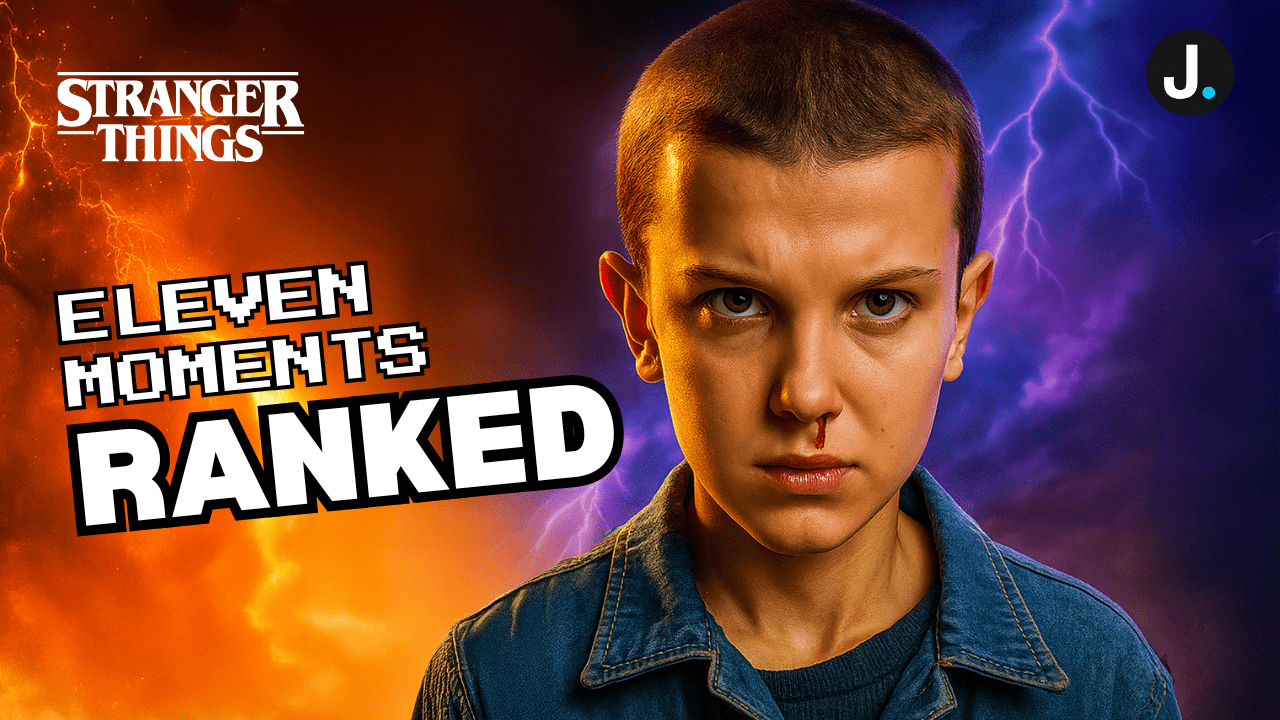
These myths weren’t just fodder for cheap scares. They provided a narrative springboard that allowed the show to marry nostalgia with horror, a blend that feels both comforting and terrifying. As Ross Duffer put it, “The secrets of Hawkins Lab allow us to be more imaginative.” By anchoring their fictional lab in echoes of Camp Hero, the Duffers were able to blur reality and fiction, creating a world that feels eerily plausible even as it ventures deep into the supernatural. Fans of the series will recognise this in Eleven’s traumatic beginnings—her connection to Hawkins Lab echoes the unnerving rumours surrounding Montauk’s secretive experiments, grounding the show’s fantastical elements in a terrifyingly believable reality.
How Camp Hero Inspired Stranger Things’ Dark Imagination
Camp Hero’s spooky allure gains another layer when you consider historical context. The infamous Project MKUltra, a clandestine CIA mind-control experiment that took place during the 1950s and 1960s, looms large in the public imagination—and in the subtext of Stranger Things. Eleven’s story, with her psychic abilities honed under the strict and morally dubious supervision of Dr. Brenner, mirrors the kind of government experimentation that MKUltra represents.
The Duffer Brothers leveraged these connections to enrich the series’ thematic depth. Eleven isn’t simply a girl with powers; she embodies the moral ambiguity and human cost of unchecked scientific ambition. By pulling from real-life horrors like MKUltra, the show doesn’t just entertain—it asks viewers to confront the unsettling lengths authorities might pursue in the quest for control and knowledge. The blending of factual history with 1980s-inspired fiction gives the show a sense of weight and gravity, reminding audiences that the horrors Hawkins faces could plausibly exist just beyond the veneer of suburban normalcy.
Beyond the historical and conspiratorial inspiration, the physical landscape of Montauk itself plays a starring role in shaping the eerie atmosphere of Stranger Things. The fog-laden beaches, the cold Atlantic waters, and the weathered military structures evoke a sense of isolation and dread that carries seamlessly into the fictional town of Hawkins.
The Duffer Brothers were deliberate in their use of this natural ambience. The pervasive fog that cloaked the Montauk base inspired aspects of the show’s visual tone, creating a sense that danger could appear around any corner. It’s almost as if Montauk itself acts as a character—a spectral presence whispering secrets to anyone willing to look closely. By rooting Hawkins in these elements of reality, the show heightens suspense while also amplifying the emotional resonance of its characters. Every terrifying encounter with the Upside Down feels informed not just by imagination, but by a place that exists in the real world, lending the series an uncanny authenticity.
The allure of Camp Hero continues to ripple through Stranger Things as fans anticipate Season 5. The series exemplifies how real-world history, geography, and legend can coalesce into storytelling that captivates, chills, and resonates. From secretive military experiments to the haunting Atlantic fog, every element of Montauk’s mystique finds its echo in Hawkins, inviting viewers to explore a world where nostalgia meets fear in the most compelling ways.
The Duffer Brothers’ genius lies in their ability to translate these inspirations into a show that speaks to multiple generations—those who lived through the 1980s and younger audiences discovering the era through the lens of supernatural adventure. As Hawkins braces for its final chapter, the shadow of Camp Hero remains a reminder that the scariest stories often have roots in reality, and that the line between history and horror can be as thin—and as terrifying—as the veil of the Upside Down.