It’s hard to overstate how much Guillermo Del Toro’s work has seeped into the very DNA of Stranger Things. If you’ve ever marveled at the nightmarish yet strangely sympathetic monsters roaming Hawkins, then you’ve already glimpsed Del Toro’s fingerprints. Known for films like Pan’s Labyrinth and Hellboy, Del Toro has a knack for creating creatures that feel alive, breathing, and emotionally charged.
He himself has voiced admiration for the series on Twitter, tweeting, “STRANGER THINGS is pure fun. A+. Don’t miss it.” He also added, “Stranger Things may be a lot of things: King, Spielberg, 80’s, myself…but what it is, above all, is good!” That’s no casual endorsement; it’s a seal of approval from one of horror’s most visionary minds.
For the Duffer Brothers, whose own cinematic lexicon includes Stephen King, Steven Spielberg, and their personal childhood obsessions with genre films, Del Toro offered both inspiration and a benchmark. The monsters of Hawkins are not merely obstacles for Eleven and her friends—they are living, breathing characters with personalities, quirks, and unpredictability that echo Del Toro’s ethos. As one of the Duffers explained, “It’s hard to know what’s just clouded in nostalgia, but I know there are a lot of people our age and older that grew up on those genre movies and CG just isn’t scary in the same way.” Practical effects, they realised, resonate in ways CGI cannot replicate, and the monsters of Stranger Things prove it.
Guillermo Del Toro’s Influence on Stranger Things
Building a monster is like childhood fantasy made real. The Duffer Brothers collaborated with a renowned special effects company, the same team that worked on Del Toro’s films, specialising in animatronics and practical creature creation. Their aim was simple but ambitious: create a beast that felt alive, unpredictable, and emotionally engaging.
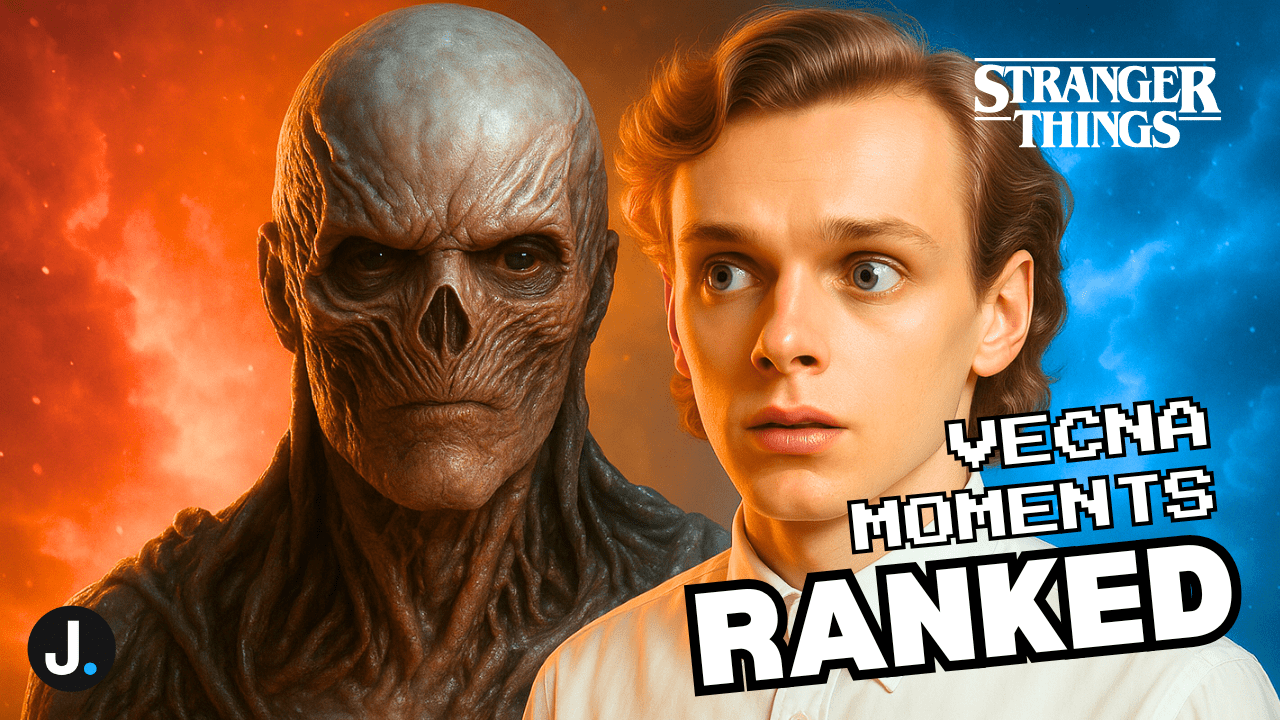
One of the standout achievements was the construction of fully animatronic heads for creatures like the Demogorgon. Each head moved differently every time, introducing unpredictability that made actors’ reactions genuine. “It was kind of like a childhood dream come true to get to build a monster,” the Duffers admitted, capturing the wonder and terror that defined their own cinematic upbringing.
This hybrid approach—marrying animatronics with CGI—ensures the creatures inhabit a space that feels tangible yet otherworldly. The notorious rift connecting Hawkins to the Upside Down, for example, was enhanced with CGI, but practical effects grounded the supernatural elements, creating a seamless, immersive experience. The unpredictability of practical monsters forces the audience into suspense: you never know how a creature will move, what it will do, or where it will strike next. That unpredictability, combined with nostalgia-laden aesthetics, gives Stranger Things its unique horror signature.
The monsters are also designed to provoke emotion beyond fear. Del Toro’s creatures often elicit empathy or fascination alongside terror, and the Duffers adopted this principle. The Demogorgon, for instance, may be horrifying, but its presence in the story underscores Eleven’s moral courage and the vulnerability of Hawkins’ citizens. In essence, these monsters are mirrors reflecting human fears and ethical dilemmas, much like the narrative strategies found in Del Toro’s films.
What makes Stranger Things truly extraordinary is how it balances homage with innovation. By honouring Del Toro’s legacy while infusing their own vision, the Duffer Brothers have created a television landscape where monsters are more than mere props—they are integral to storytelling. The creatures carry the emotional weight of the narrative, demonstrating that horror can evoke awe, empathy, and suspense simultaneously.
This philosophy has implications beyond the screen. For aspiring filmmakers and horror enthusiasts, the show illustrates the power of practical effects, careful set design, and a hybrid approach to modern production. It’s a reminder that technology should serve the story, not replace the tactile thrill of physical creation.
As we edge closer to the release of Season 5 in November 2025, the influence of Guillermo Del Toro remains unmistakable. His approach to creature design, his insistence on narrative-driven horror, and his ability to blend empathy with fright are all echoed in the monsters of Hawkins. Fans will once again encounter the unexpected, from terrifying new denizens of the Upside Down to familiar faces with renewed threat and complexity.
The countdown to Season 5 is a celebration of collaboration, creativity, and the careful curation of horror inspired by the masters. Guillermo Del Toro’s essence runs through the show like a lifeblood, proving that the monsters of Stranger Things are more than frightening—they are iconic, living pieces of art that embody the series’ heart, mind, and soul.
As viewers prepare to dive back into Hawkins, one truth is clear: the Duffer Brothers’ monsters, inspired by Del Toro and brought to life with animatronics and careful CGI, are as much characters as they are threats. They remind us that horror is most potent when it feels real, when it engages the senses, and when it resonates with the imagination—exactly the way Stranger Things has done since its debut.
So, as the eerie glow of Hawkins’ streetlamps returns and the rift to the Upside Down beckons, fans can rest assured that the creatures awaiting them will live, breathe, and terrify in ways that honour the legacy of a master, while carving a unique, unforgettable space in television history.