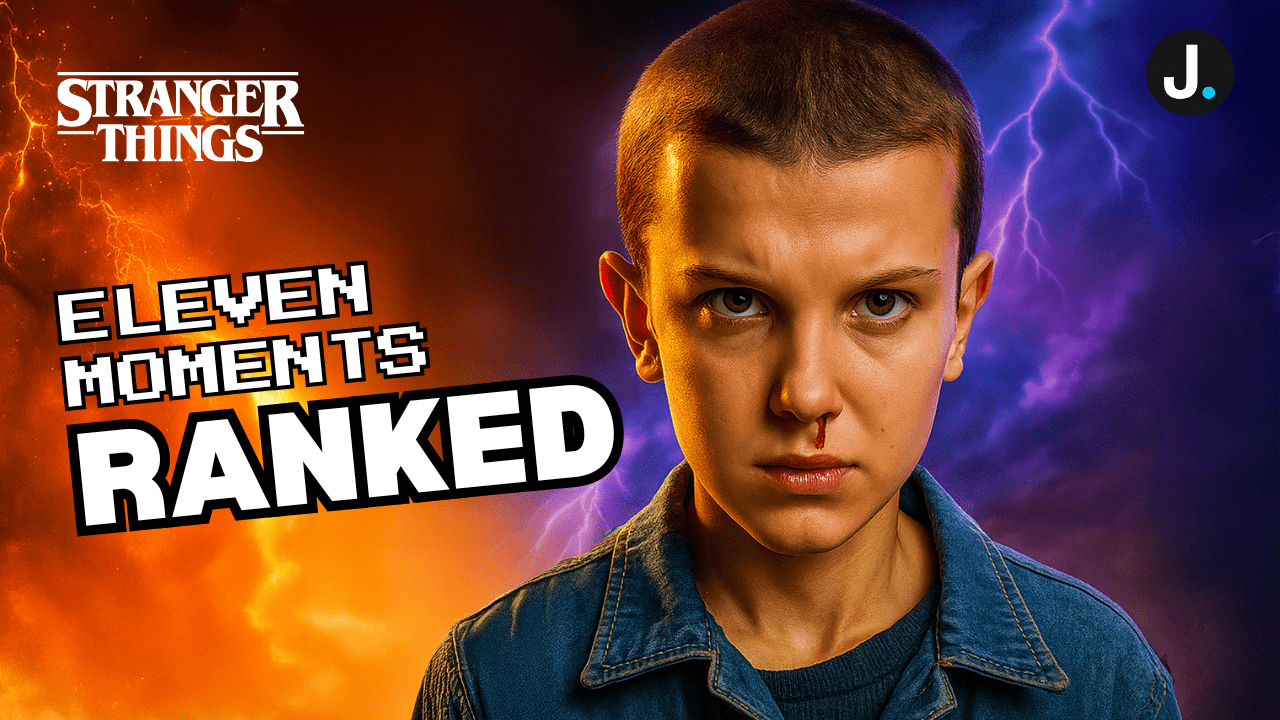
Since her electrifying debut, Eleven has fascinated viewers not only through her psychic powers but through the unique visualisation of her inner world. The black void, a stark, almost infinite expanse, embodies the mental and emotional weight she carries—a place where the supernatural and deeply personal collide. The creative minds behind Stranger Things understood that representing such a psychic landscape required ingenuity that went beyond typical green-screen tricks.
Reports reveal that the void was physically constructed: a pool painted black and filled with roughly an inch of water served as the base, surrounded on nearly three sides by 270 degrees of duvetyne rising thirty feet high. This setup created a suffocating yet otherworldly ambience, allowing camera angles and lighting to simulate the disorienting and alien quality of Eleven’s telepathic experiences. Every ripple of water, reflection, and shadow contributed to an immersive environment, making viewers feel as though they had stepped into her mind, sharing in her confusion, fear, and focus.
As Stranger Things matured, so did its approach to visual storytelling. By Season 3, the creative team sought to refine the black void to match the series’ escalating stakes and narrative sophistication. This meant transitioning to a smaller shooting space, which presented both a challenge and an opportunity. Working within a constrained area required innovative solutions: the team deployed a 50-foot Technocrane, paired with two boom operators, to achieve sweeping camera movements and maintain the void’s enveloping presence on screen.
These adjustments were more than technical tweaks; they reflected a narrative evolution. The void’s refined visual fidelity mirrored Eleven’s growing control and awareness of her psychic abilities. In earlier seasons, the void was chaotic and intimidating, representing confusion and trauma. In later seasons, the space became more structured, nuanced, and deliberate, echoing character development while retaining the unsettling, ethereal quality that fans had come to associate with her powers. Each change demonstrated a careful balance between innovation and continuity, preserving the void’s symbolic weight while enhancing its cinematic impact.
The black void functions as a lens into Eleven’s psyche, offering viewers a unique window into her isolation, trauma, and inner struggles. It is both a metaphor and a narrative tool, amplifying emotional stakes during critical plot points. For instance, when she seeks to locate missing characters or confronts threats from the Upside Down, the void transforms the abstract terror of her psychic work into a tangible, visually compelling experience.
In a series lauded for intertwining supernatural thrills with heartfelt character development, the void illustrates the power of visual storytelling. It allows audiences to empathize with Eleven’s internal battles and positions her perspective as central to the narrative. This meticulous craftsmanship, combining practical effects with thoughtful cinematography, underscores how strategic visuals elevate storytelling. It reminds viewers that Stranger Things is not merely about scares and nostalgia; it’s about exploring complex psychological landscapes and delivering them with immersive artistry.
As Stranger Things 5 approaches, fans can expect the black void to continue evolving, perhaps in ways that reveal new aspects of Eleven’s abilities or emotional state. Whether it remains a space of dread, a canvas for her powers, or a more metaphorical exploration of trauma, it remains a defining feature of the series’ visual identity—an emblem of the show’s creativity, attention to detail, and dedication to storytelling that resonates on multiple levels.
The creation and evolution of Eleven’s black void exemplifies why Stranger Things has become such a cultural phenomenon. It proves that when narrative, performance, and visual innovation converge, television can transcend mere entertainment, becoming an experience that draws viewers deeply into its world. The void is not just a backdrop; it is a character in itself, an evolving space that shapes the story, defines its tone, and amplifies the emotional resonance of the series.