The genesis of Stranger Things began with a deep dive into the eerie, yet profoundly human worlds crafted by Stephen King. The Duffer Brothers initially turned to King’s novel Firestarter for inspiration, scrutinising its cover, font, and overall aesthetic. “We started crafting a long list of potential titles that could encapsulate what the series symbolised,” Matt Duffer reflected, noting the heated debates that accompanied the process.
Ultimately, the choice of Stranger Things became both a practical and thematic triumph. It subtly nods to King’s Needful Things, cementing a literary lineage while offering a mysterious, evocative title that sparks curiosity. Netflix co-CEO Ted Sarandos played a crucial role in helping finalise the name, highlighting how the series’ branding was carefully aligned with its storytelling ambitions. This connection illustrates that the homage to King was not superficial; it informed the identity of the show from day one, signalling to viewers that they were entering a world where the ordinary and the uncanny intersected in the most thrilling ways.
Once the title was settled, the Duffer Brothers leaned heavily on King’s thematic toolkit to shape the narrative universe of Hawkins. Small-town life, a community seemingly peaceful but secretly fraught with danger, is a cornerstone of both King’s works and Stranger Things. The series thrives on the juxtaposition of innocence and menace, using childhood friendships as the emotional anchor while supernatural forces lurk in the shadows.
Characters confront trauma, loss, and fear in ways that mirror King’s rich characterisation. Episodes of Stranger Things channel the tension of It’s children versus Pennywise, or the camaraderie and existential challenges found in The Body, which inspired Stand By Me. The narrative constantly toggles between nostalgic comfort and unsettling terror, creating a dual experience for the audience that is distinctly King-esque. Even the Upside Down itself feels like an echo of King’s uncanny landscapes, a place where reality bends and human frailty is tested against unimaginable evil.
Stephen King’s Ever-Present Influence as Stranger Things Evolves
As Stranger Things 5 approaches its release, the Duffer Brothers’ homage to Stephen King continues to shape both the series’ style and substance. The resonance of his influence is seen not only in the plotlines but in the emotional journeys of the characters, their responses to fear, and their growth under pressure. King’s ability to blend horror with the profound human experience serves as a blueprint for the series’ storytelling, allowing audiences to connect with the material on multiple levels.
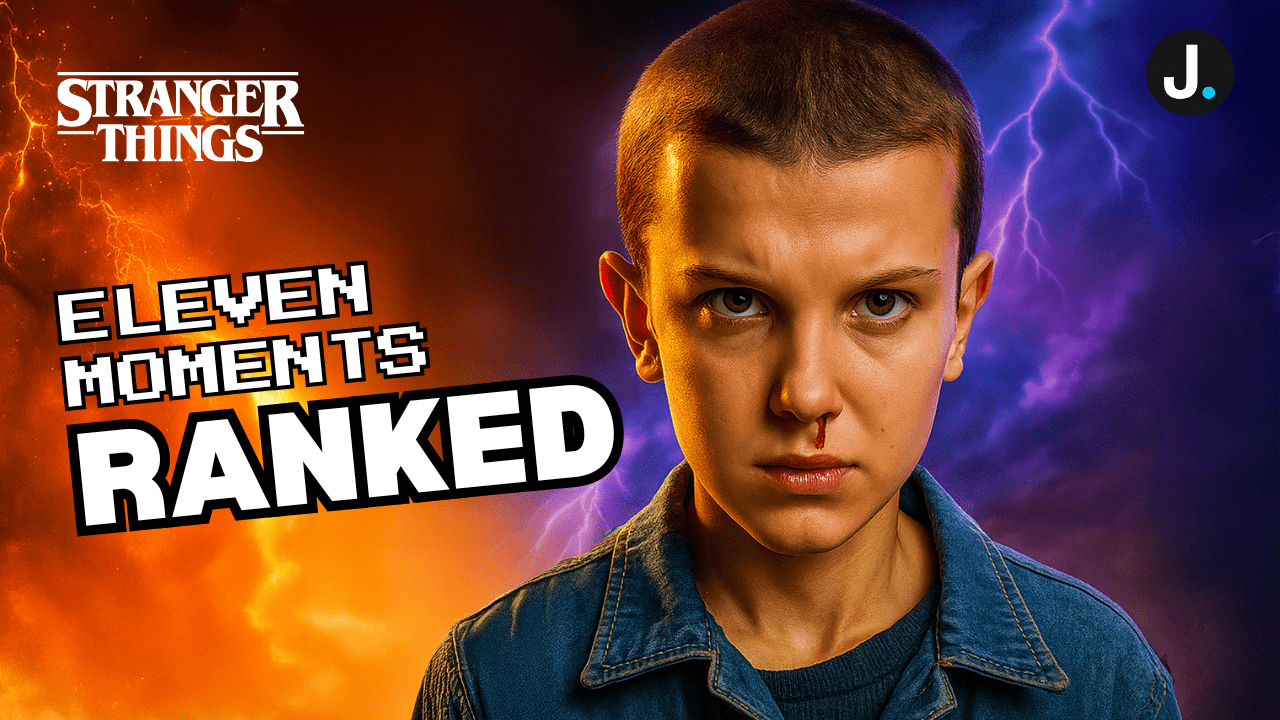
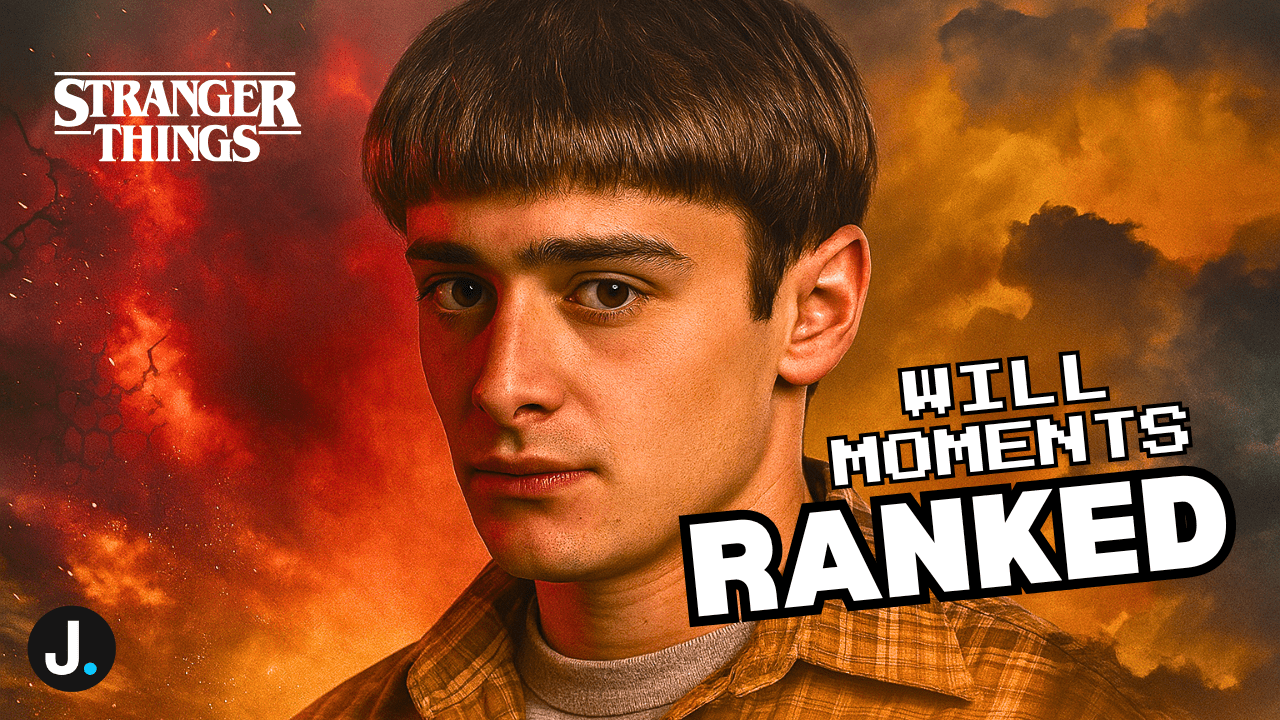
The show’s balance of nostalgic aesthetics, suspenseful plotlines, and richly drawn characters ensures that King’s influence is more than a nod; it is the scaffolding upon which Hawkins is built. From Eleven’s mysterious powers to the gang’s relentless determination to save their friend Will Byers, every confrontation with the unknown carries echoes of King’s mastery over tension and empathy. In this way, Stranger Things remains a contemporary celebration of classic horror, paying tribute to the stories that shaped generations while crafting a new mythology for modern viewers.
Through every shadowy corner of Hawkins, every haunting encounter in the Upside Down, and every heartfelt moment of childhood loyalty, the spirit of Stephen King persists. He serves as a silent co-creator, his influence ensuring that the series maintains a rhythm of fear, wonder, and emotional depth that has captivated millions worldwide. Fans returning to Hawkins will find that, while the monsters may have changed and the town may evolve, the enduring presence of King’s storytelling genius is an inescapable and thrilling guide through the supernatural tapestry of Stranger Things.