Few shows understand the heartbeat of 1980s horror like Stranger Things. Matt and Ross Duffer, creators of the series, openly attribute their vision to childhood afternoons spent trembling under the glow of Ridley Scott's Alien, John Carpenter’s The Thing, and Clive Barker’s Hellraiser. “Something about the effects being so tangible in the genre films we grew up on was especially terrifying to us when we were kids,” they explained, highlighting the profound impact of practical artistry on their creative ethos.
This love of tangible horror shaped the series’ production philosophy. The Duffers initially aimed for an 80/20 split of practical effects to VFX in the first season. Practical effects weren’t just a stylistic choice—they were an emotional and psychological tool, designed to elicit real fear and engagement from the cast and audience alike. However, the final output evolved into a near 50/50 balance, illustrating the interplay between the tactile presence of animatronics and the flexibility of visual effects.
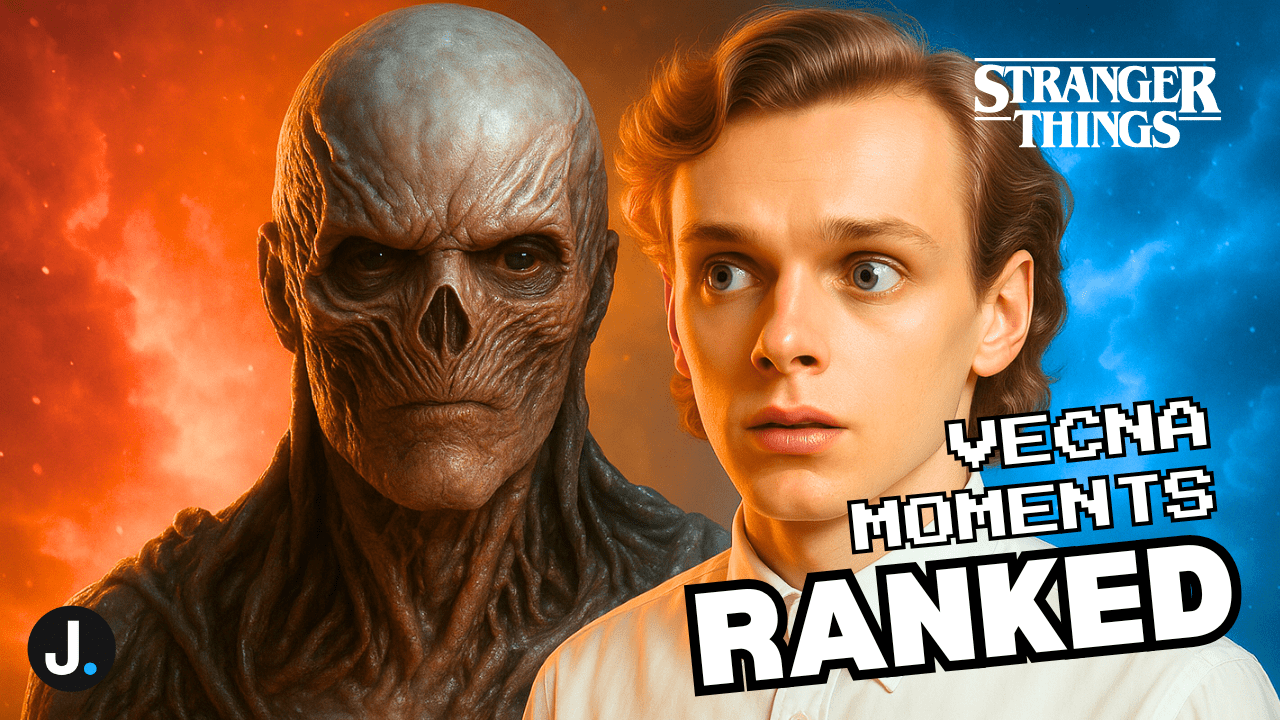
At the heart of this approach was a dream that many horror enthusiasts share: creating a real, physical monster that actors could confront directly. Enter Mark Steger, a performance artist, actor, and choreographer with a flair for physical storytelling. Steger became the living skeleton of the Upside Down’s most iconic creatures, embodying the fusion of horror and motion that practical effects demand. This choice allowed actors to react to something tangible, creating authenticity in scenes that digital animation alone could never achieve.
The process of bringing the Upside Down’s creatures to life was an intricate ballet of engineering, artistry, and performance. The Duffers collaborated with Spectral Motion, a creature effects studio renowned for work with Guillermo del Toro, to construct the monsters that would haunt Hawkins. Time was a pressure cooker; the team had just two months for design and execution. The first step involved a laser scan of Steger’s body, providing the perfect anatomical blueprint for sculpting the monster’s form.
Steger’s transformation was arduous. The suit weighed thirty pounds and included metal stilts to enhance his height, requiring thirty minutes to put on before each take. His movements had to convey menace, unpredictability, and organic fluidity, a task made even more challenging by the 26 motors embedded in the animatronic head. Each motor controlled the petals’ movement, which were programmed to never repeat in pattern, creating an unsettling, otherworldly dynamism that unnerved both the characters on screen and viewers at home. The sheer complexity made on-set communication a logistical nightmare, yet every glitch and groan of the animatronic contributed to the creature’s eerie realism.
For moments when the suit’s physical limitations couldn’t capture the monster’s full horror, VFX took the reins. Aaron Sims Creative seamlessly blended visual effects with practical designs, enhancing scenes while preserving the monsters’ tactile authenticity. The result was a hybrid creature, simultaneously grounded in reality and elevated by the limitless possibilities of digital effects. This collaboration ensured that terror was never abstract; it was always immediate, visceral, and frighteningly believable.
Even minor elements received meticulous attention. Every tentacle, every twitch, every flinch was designed to convey an intelligence and menace that elevated the monsters from simple horror tropes to sentient antagonists. The interplay between actor, suit, and digital augmentation demonstrates the Duffer Brothers’ philosophy: horror is most effective when it feels alive, unpredictable, and anchored in the physical world.
The creatures were only one component of the Duffer Brothers’ meticulous craft. The very environment of the Upside Down demanded equal attention, blending physical sets with visual effects to create a world that felt both tangible and alien. Practical elements like vines, organic growths, and tactile textures were constructed to allow actors to physically interact with their surroundings, enhancing believability and heightening tension.
Fractured FX, a special makeup effects company, contributed significantly to the authenticity of the Upside Down. Prosthetics transformed actors like Will Byers into convincingly afflicted figures, while the haunting corpse of Barbara Holland became an iconic image of horror that lingers in fans’ memories. Additionally, the team built the ominous yellow egg featured in Chapter 8, a foreboding symbol of the creature-infested realm lurking just out of sight.
Visual effects expanded the world when practical constructions reached their limits. Streets, forests, and larger set pieces were digitally manipulated to create an expansive Upside Down that retained consistency with physical elements. This balance between the tangible and the digital ensured that every scene felt lived-in, eerie, and capable of delivering real suspense.
The blend of practical and digital effects extends beyond creature design. Atmospheric touches—creeping spores, flickering lights, and shadows cast through otherworldly fog—combine with the monsters’ movements to envelop viewers in a fully realised horror landscape. The tactile realism provided by prosthetics, animatronics, and physical sets complements the digital augmentation, creating a holistic sensory experience.
The result is a series that honours the history of genre filmmaking while embracing modern technology, proving that horror can simultaneously evoke nostalgia and innovate for contemporary audiences. Stranger Things showcases that fear is amplified when viewers sense the physical presence of danger, whether it’s a thirty-pound suit towering over actors or a prosthetic-infused corpse lying in an abandoned hallway.
The genius of practical effects in Stranger Things lies not only in spectacle but also in their ability to anchor emotional storytelling. When a character recoils from a tangible threat, the audience experiences fear and empathy in equal measure. The creatures, while terrifying, also serve narrative functions—testing friendships, courage, and ingenuity.
Steger’s performance as a monster suit actor exemplifies this emotional tether. His movements—subtle tilts, sudden lunges, and almost human-like gestures—create a sense that these creatures are sentient adversaries, not mere CGI constructs. Visual effects enhance rather than replace these performances, ensuring that terror remains grounded in realism while allowing the Upside Down to feel limitless.
This philosophy reflects the Duffer Brothers’ broader artistic approach. They recognise that horror, at its most compelling, requires both authenticity and imagination. Practical effects create the authenticity; VFX expands the imagination. Together, they form a delicate equilibrium that keeps audiences invested in the characters, the story, and the world.
As anticipation builds for Stranger Things Season 5 this November, fans can appreciate the layers of artistry that make the Upside Down and its inhabitants feel real. From the thirty-pound animatronic suits and meticulously designed prosthetics to the seamless integration of VFX, the series exemplifies how modern horror can pay homage to traditional filmmaking techniques while embracing technological innovation.
The Duffer Brothers’ commitment to practical effects is more than a stylistic choice; it’s a narrative strategy that deepens immersion, amplifies emotional stakes, and honours the lineage of horror cinema. Every scream, shadow, and creeping tendril is a testament to the series’ painstaking craftsmanship and dedication to storytelling.
Stranger Things proves that horror is most effective when it is tactile, when monsters feel present, and when the unknown is woven into every corner of the set. As we prepare to return to Hawkins and confront the terrors of the Upside Down once more, it’s worth recognising the artistry that makes each encounter with the series’ creatures so thrilling, terrifying, and unforgettable.