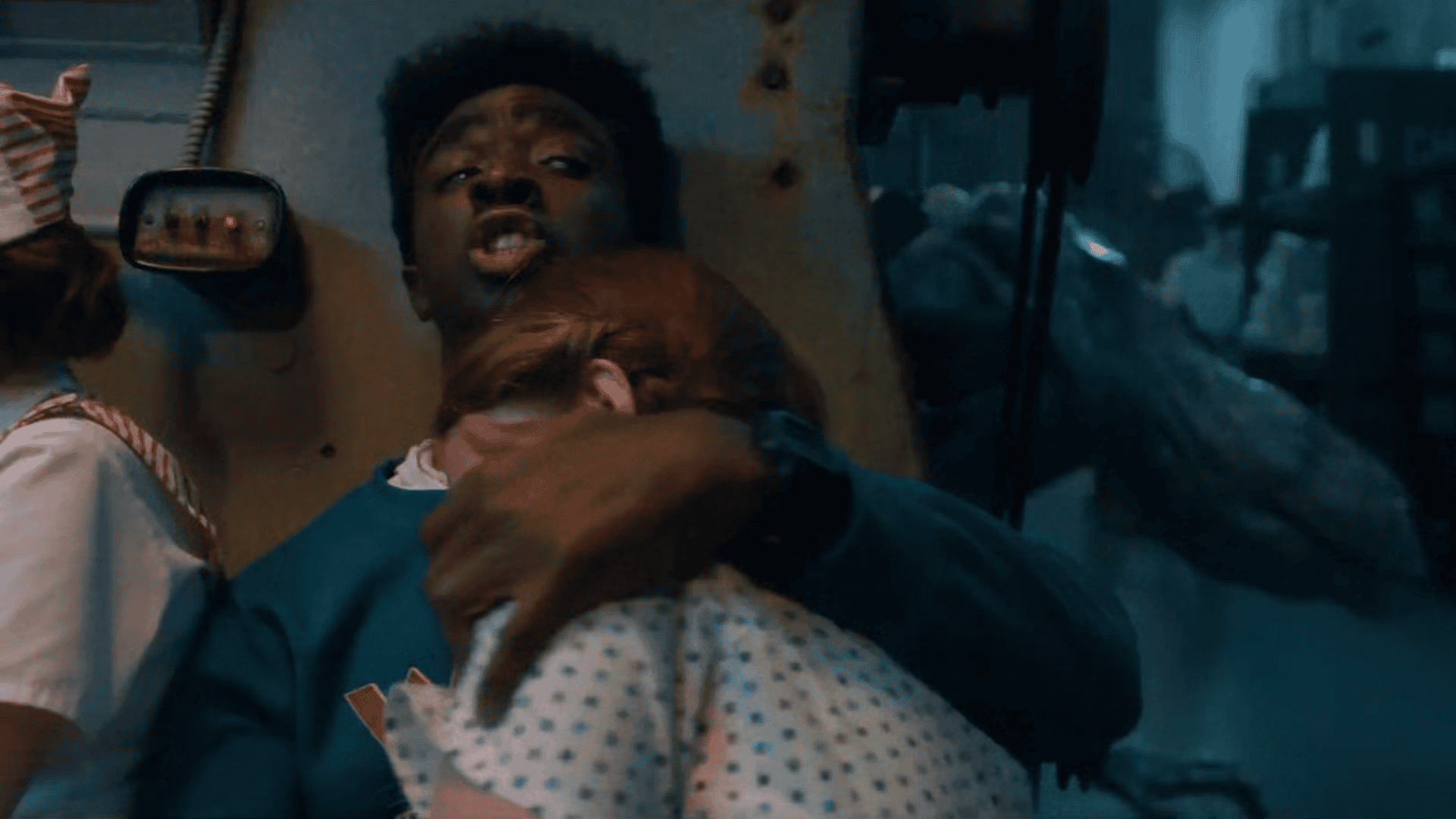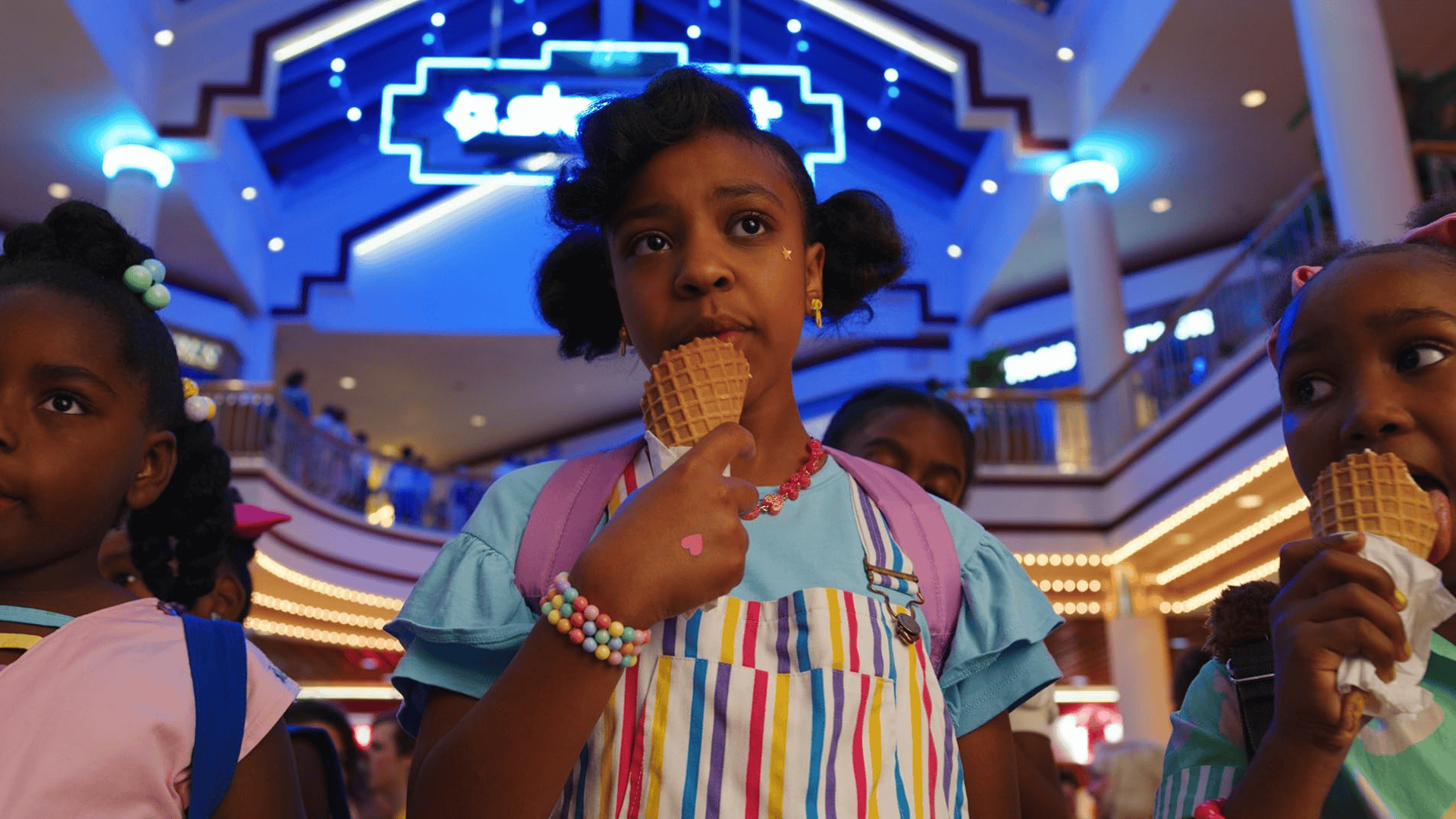
When Matt and Ross Duffer first pitched Stranger Things to Netflix, the streaming giant was already carving out its reputation as a hub for bold, original content. Shows like House of Cards and Orange Is the New Black had already demonstrated that Netflix Originals could challenge the conventions of traditional television. The Duffer Brothers entered this landscape ready to infuse the supernatural with the familiar warmth of the 1980s.
As they explained during interviews, Netflix was prepared to nurture “upcoming producers like them,” giving the creative duo the freedom to craft a story steeped in the pop culture of their youth. From synthesiser-heavy soundtracks to references ranging from E.T. The Extra-Terrestrial to The Goonies, Stranger Things captured a decade with authenticity and affection. “We grew up in the ’80s, and it's a period that has always fascinated us,” they shared, highlighting how personal experience became the foundation for the series’ aesthetic.
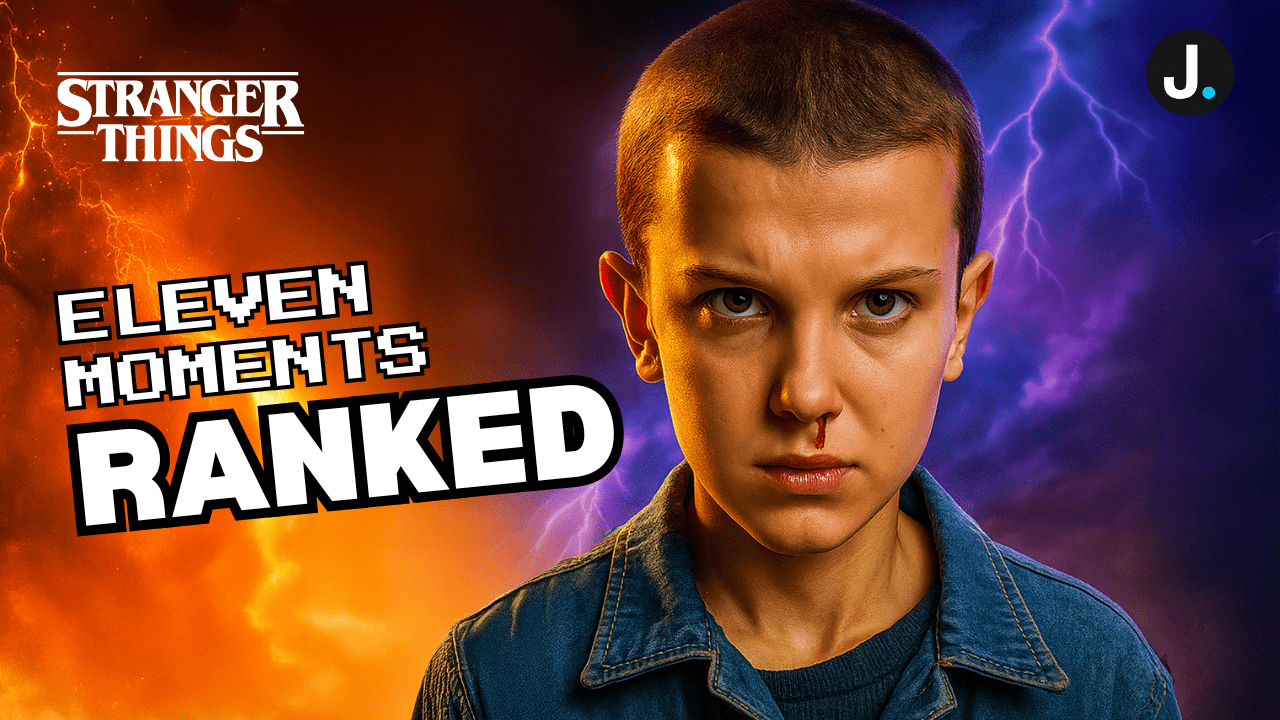
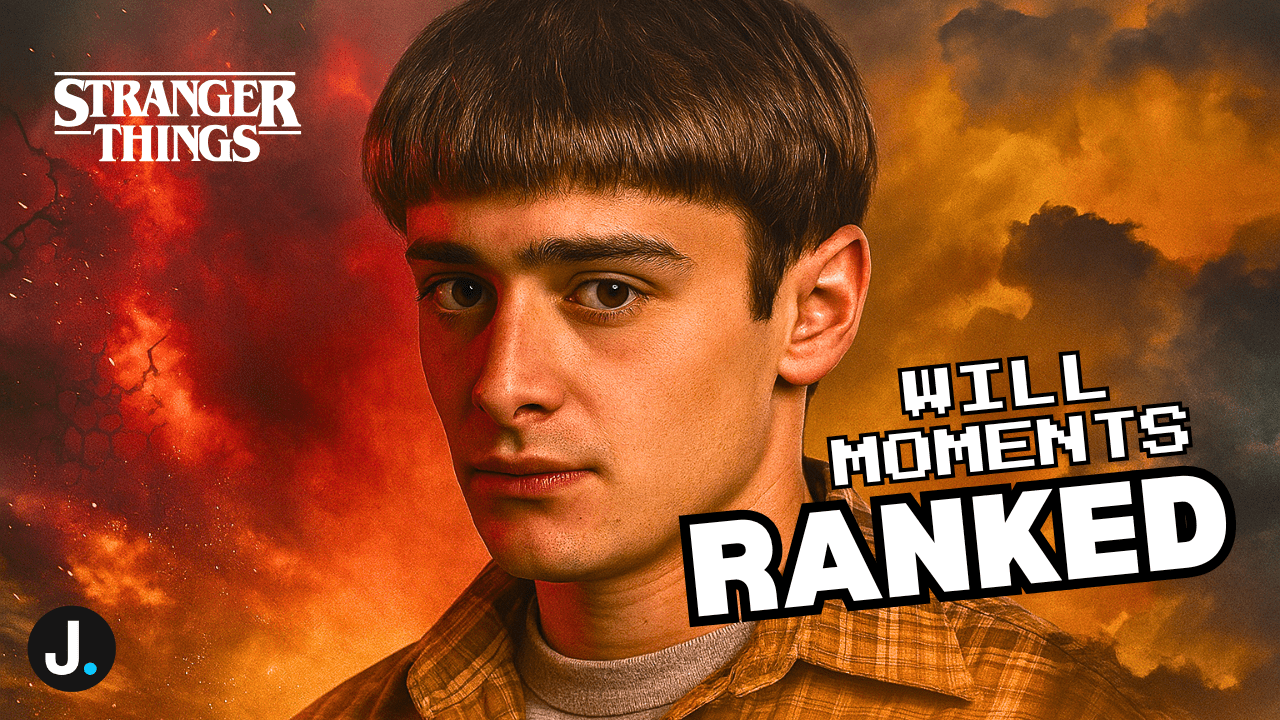
The Duffer Brothers’ vision combined nostalgia with complex narratives and character depth. Eleven’s trauma, Will Byers’ continual brushes with the Upside Down, and the evolving friendships of Mike, Lucas, and Dustin were not merely plot devices but explorations of growth, fear, and resilience. By marrying pop culture familiarity with original storytelling, they created a series that resonated across generations, inviting both older audiences to relive their past and younger viewers to experience it anew.
Stranger Things’ launch demonstrated that Netflix Originals could be culturally significant while remaining highly entertaining. It set a precedent for creative freedom, inspiring other producers to leverage nostalgia without sacrificing narrative sophistication. The show exemplifies how streaming platforms can empower storytellers to craft worlds that are emotionally compelling and socially resonant, a blueprint that continues to influence Netflix content today.
Beyond its narrative and visual achievements, Stranger Things has fostered an extraordinary sense of community among fans. The series’ meticulous attention to 1980s detail—from hairstyles and fashion to music and film references—encouraged audiences to engage with the show actively, sparking discussions, fan theories, and nostalgic reflection.
Social media has become a hive of activity for Stranger Things enthusiasts, with platforms like Twitter, TikTok, and Reddit hosting a near-constant flow of Easter egg analysis, fan art, and character speculation. Fans dissect each scene, from the light-up Christmas tree of Season 1 to the terror-filled corridors of the Hawkins Lab, creating a culture of shared discovery and collective memory. The show’s embrace of nostalgia functions as both connective tissue and conversation starter, allowing viewers to bond over memories of their own childhoods, or to experience a decade they never lived through as if firsthand.
The series’ impact extends beyond digital spaces. The resurgence of 1980s-themed merchandise, clothing, and collectibles reflects the tangible influence of Stranger Things on contemporary culture. Pop-up events, comic conventions, and themed experiences allow fans to inhabit the world of Hawkins physically, interacting with props, recreations, and installations inspired by the show. In doing so, Stranger Things turns nostalgia into a shared, participatory phenomenon.
What makes this communal experience especially powerful is the way it intersects with the show’s emotional core. Characters are complex and relatable, facing trauma, adolescence, and loss in ways that mirror real-life experiences. Through Eleven’s struggle for identity, Joyce Byers’ maternal resilience, and Hopper’s journey from stoicism to vulnerability, fans find points of connection, empathy, and investment. Nostalgia acts as the hook, but the human element keeps audiences coming back season after season.
As Stranger Things approaches its final season, its legacy within Netflix Originals is indisputable. The series proved that nostalgia could serve as a powerful narrative tool when paired with strong character development and imaginative storytelling. By intertwining familiar cultural touchstones with suspenseful supernatural plots, the Duffer Brothers demonstrated that streaming content could have depth, emotional resonance, and broad appeal simultaneously.
The influence of Stranger Things is already visible in newer Netflix Originals. Series that blend past aesthetics with contemporary narratives, like Wednesday or Lockwood & Co., owe a debt to the blueprint the Duffers created: meticulous world-building, character-driven storytelling, and the strategic use of nostalgia as both plot enhancer and cultural bridge. This approach has expanded the possibilities for creators, showing that audiences are eager for content that respects their intelligence while indulging their memories.
The broader impact of Stranger Things on Netflix’s business strategy is equally significant. It highlighted the importance of global accessibility, binge-worthy pacing, and social media synergy in cultivating audience engagement. By sparking conversation, merchandise sales, and immersive experiences, the series reinforced the idea that television could be a cultural event rather than a passive pastime.
Looking ahead, the success of Stranger Things suggests a future where nostalgia-driven programming will continue to flourish. The Duffer Brothers have proven that when creators are granted artistic freedom, the result can be both commercially viable and culturally transformative. With Season 5 approaching, the series will close its narrative arc, but it has opened doors for a generation of storytellers ready to explore the interplay of past and present, memory and innovation, nostalgia and originality.
Ultimately, Stranger Things exemplifies the unique position Netflix holds as a home for creativity and nostalgia. It reminds us that entertainment can be both a portal to the past and a lens for understanding the present, a duality that has captured the imagination of millions worldwide. The Duffer Brothers’ journey from hopeful creatives to cultural architects illustrates the power of vision, community, and the enduring magic of stories that speak across generations.
As we count down to November and the premiere of Season 5, the series stands as a testament to how Netflix Originals reshaped the entertainment landscape, proving that nostalgia, when handled with care, can be transformative, communal, and profoundly affecting. Fans will soon witness the conclusion of a saga that has defined a decade of streaming, leaving behind a legacy of creativity, cultural resonance, and shared memories that will endure far beyond the final credits.