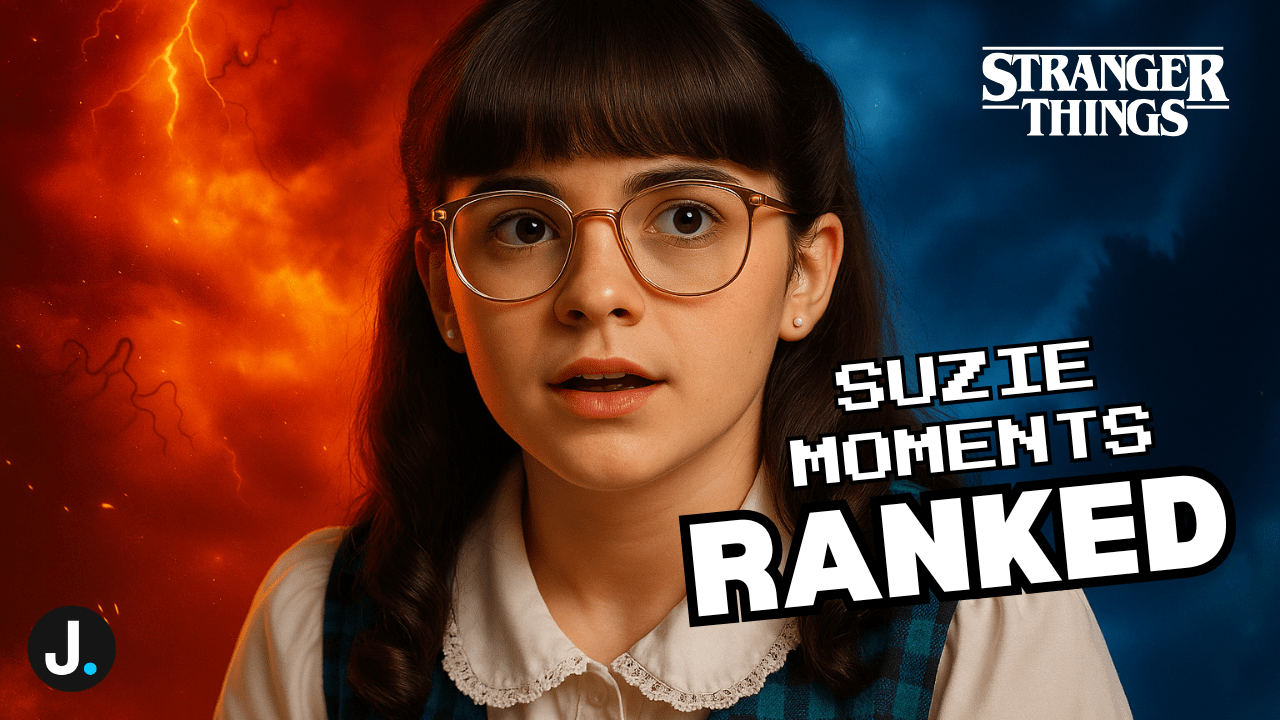
The creative magic behind Stranger Things has always been in its careful selection of music, and Season 3 took that to whimsical heights. One standout moment is the climactic sequence where Suzie (Gabriella Pizzolo) refuses to give Dustin (Gaten Matarazzo) the code he needs until he sings her a song. Cue The NeverEnding Story, the 1984 theme by Limahl, a piece that instantly transports viewers to the playful fantasies of the ’80s.
Originally, the Duffer Brothers toyed with another idea: The Ent and the Entwife from The Lord of the Rings. But with Amazon Studios pushing their own LOTR production, they pivoted to something more distinctive. Curtis Gwinn, a writer for the series, landed on Limahl’s track, creating a perfect fusion of levity, nostalgia, and narrative function. It’s a stroke of genius: a scene where a code is unlocked by a song, combining humor, emotional stakes, and a nod to the fantasy obsessions of an entire generation.
How Stranger Things Season 3 Picked the Perfect Song
What makes the scene extra special is how Matarazzo and Pizzolo, both seasoned in musical theatre, executed their vocals. Rather than relying on studio trickery, the two harmonised live on set. Even though the characters were physically apart in the scene, clever use of a backing track and subtle autotuning blended their performances seamlessly. The authenticity of the live performance added depth to what could have been a simple comedic gag, demonstrating Stranger Things’ dedication to detail and craft.
Gaten Matarazzo’s Broadway background shines here, as he channels both Dustin’s awkward charm and his own vocal talent. Gabriella Pizzolo, meanwhile, matches him note for note, her Suzie embodying patience, playfulness, and the subtle authority of someone holding the fate of Hawkins’ kids in her hands. Later in the episode, the playful resonance continues as Lucas (Caleb McLaughlin) and Max (Sadie Sink), also trained in musical theatre, mock Dustin by belting out the same song — a clever meta-commentary reinforcing the camaraderie and mischief of Hawkins’ youth.
Stranger Things’ strategic use of The NeverEnding Story had ripple effects far beyond Hawkins. Following the episode’s release, Limahl’s track experienced an 800% surge in streaming across Spotify and YouTube. It’s a testament to the show’s ability to revive pop culture moments, giving them relevance to a modern audience.
The song’s integration serves multiple purposes: it underscores Dustin and Suzie’s relationship, reinforces the ’80s fantasy vibe central to Stranger Things’ aesthetic, and reconnects fans with the cultural artifacts that defined their childhood. It also demonstrates the Duffer Brothers’ skill in creating layered storytelling — moments that feel organic to the plot while delivering a nostalgic punch.
Even casual viewers felt the impact. Tweets, TikToks, and fan covers flooded social media, with entire new audiences discovering the joy of Limahl’s voice. Stranger Things Season 3 proved that a carefully chosen piece of music could become a narrative tool, emotional touchpoint, and viral sensation all at once.
The NeverEnding Story scene exemplifies Stranger Things’ genius in blending fantasy, humor, and heartfelt storytelling. It’s a reminder that the series is more than a supernatural thriller; it’s a celebration of childhood wonder, friendship, and the cultural references that have shaped a generation. As fans gear up for Season 5 in November, the legacy of these carefully curated moments — songs, jokes, and heartfelt performances — will continue to resonate, keeping Hawkins alive in the hearts of viewers.