Long before Hawkins, Indiana became a household name, Matt and Ross Duffer were tinkering with a Hi8 video camera gifted to them in third grade. Their first forays into filmmaking involved anything they could capture: friends, pets, and whatever mischief they could stage in their suburban surroundings. As Matt recalls, “We just started filming anything and everything.” Each summer brought a feature-length project, chaotic yet brimming with ambition. While he admits the early films were “kind of unwatchable,” the discipline and passion cultivated in these formative years laid a foundation for storytelling that would eventually define Stranger Things.
After high school, the brothers pursued their craft formally at Chapman University. Here, their ambitions took a more serious shape. Collaborating on multiple short films, they refined both technique and narrative style. Their senior thesis, Eater, adapted from a Peter Crowther story about a cop confronting a cannibalistic inmate, earned them the distinction of Marion Knott Scholars. Under the guidance of Mace Neufeld, producer of The Hunt for Red October, the brothers learned not only the art of cinematic storytelling but the realities of production logistics, budget constraints, and working with crews—skills they would soon channel into episodic television.
Graduation did not immediately translate into Hollywood triumph. The Duffer Brothers’ first major screenplay, Hidden, a horror-thriller about a family trapped in a fallout shelter during a viral outbreak, generated buzz and a bidding war. Yet the project never reached theatres. Ross reflects on this setback: “Looking back on it, for us, it was using that low point as an advantage.” The disappointment redirected their ambitions from film to television, opening a new avenue for sustained storytelling.
Opportunity soon knocked when M. Night Shyamalan brought them on as writers and producers for Wayward Pines. Here, the Duffers learned the intricacies of showrunning, pacing, and building suspense across multiple episodes. “That became our training ground,” Ross explains, highlighting the mentorship that honed their understanding of narrative rhythm, character arcs, and the emotional beats necessary to engage viewers week after week. This period would prove crucial when it came time to create a series that balanced supernatural horror with genuine emotional stakes.
The launch of Stranger Things in 2016 marked the culmination of decades of preparation, experimentation, and resilience. Drawing from their early cinematic influences and experiences, the Duffer Brothers fused 1980s nostalgia with compelling characters and suspenseful plots. The influence of their Hi8 experiments is evident in the show’s meticulous framing, inventive camera angles, and inventive storytelling devices that make Hawkins feel both grounded and otherworldly.
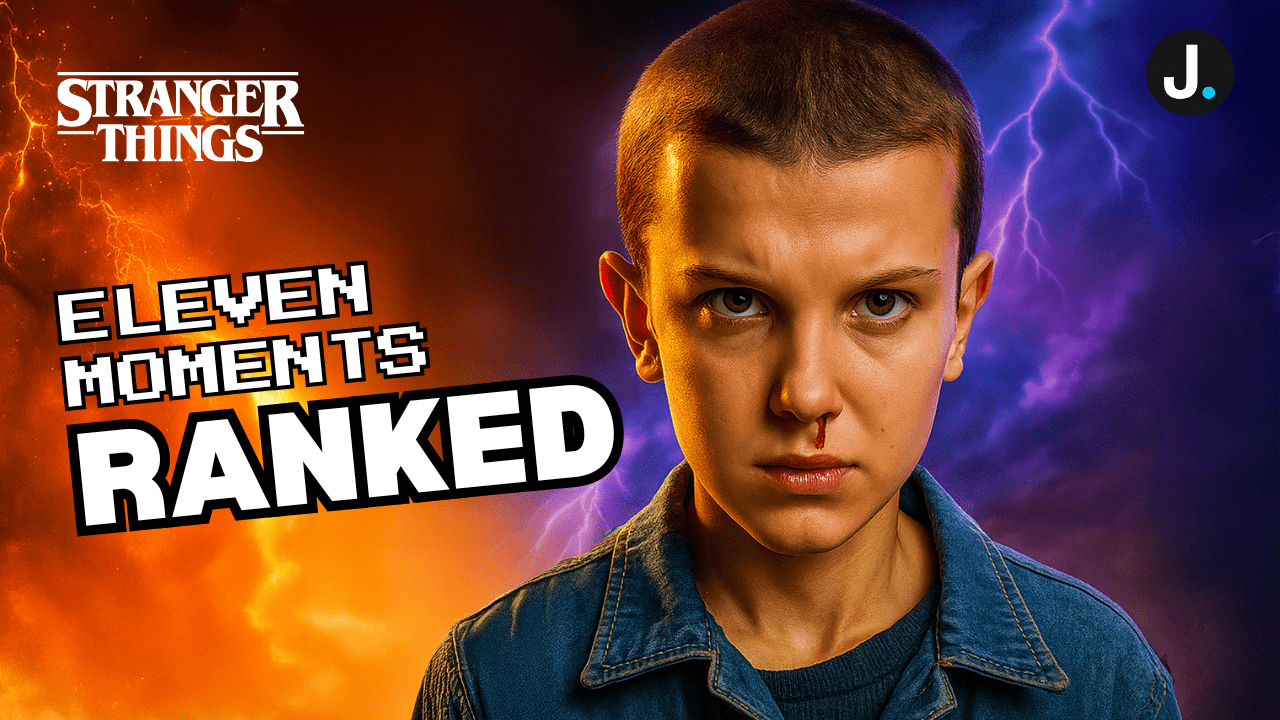
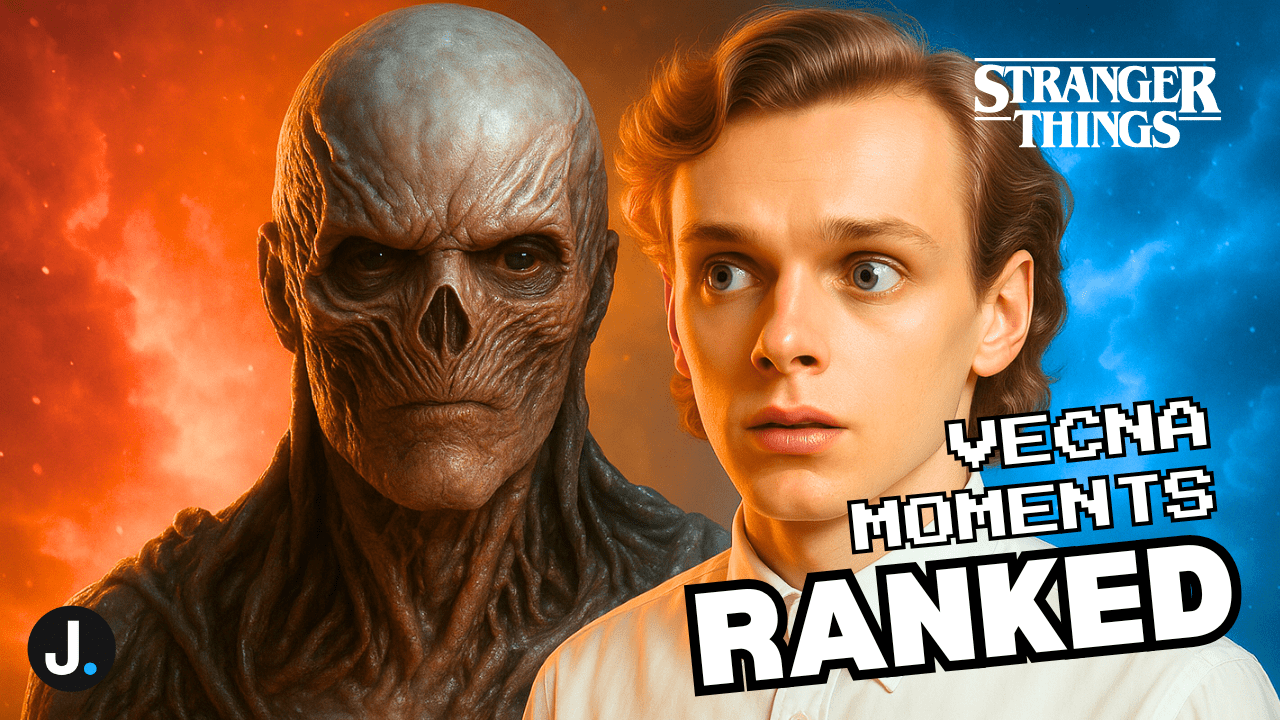
Stranger Things thrives on its blend of supernatural thrills and emotional resonance. Characters like Eleven, Mike, and Dustin embody the care the brothers put into character development during their early films, while the Upside Down reflects the imaginative audacity cultivated since childhood. Their journey from amateur filmmakers to creators of a global streaming phenomenon exemplifies the interplay between persistence, mentorship, and creative ingenuity.
As Season 5 prepares to launch this November, fans will once again witness the storytelling DNA forged from the Duffer Brothers’ formative years: suspense, nostalgia, heart, and an unerring ability to create a world that feels simultaneously magical and achingly real. Hawkins stands as a testament to their evolution, a reminder that every Hi8 mishap, unproduced script, and short film experiment contributed to shaping one of the most beloved shows of the decade.
From scrappy summer projects to sophisticated television production, Matt and Ross Duffer’s journey illustrates the power of early experimentation, resilience in the face of industry setbacks, and the mentorship that transforms raw talent into narrative mastery. Stranger Things remains a cultural landmark, a vibrant, nostalgic, and suspenseful world built on the creative foundations laid decades ago in the playful chaos of two brothers with a camera and a dream.