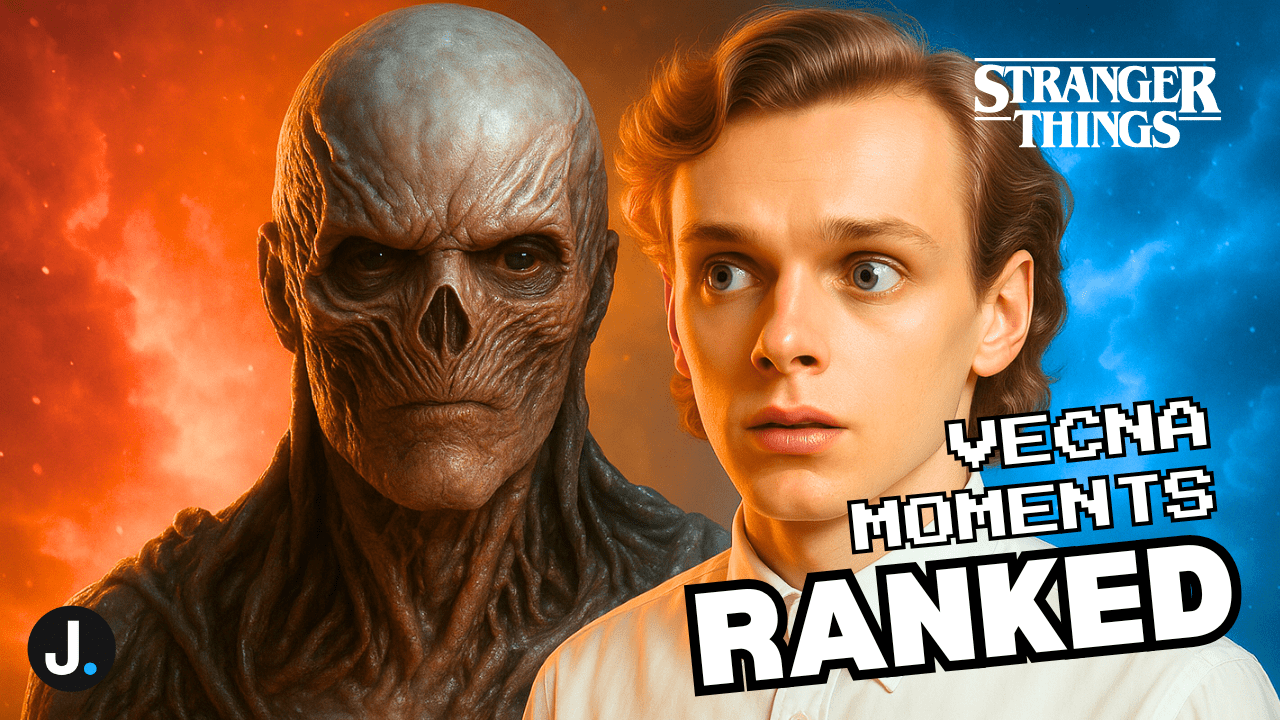
In Stranger Things Season 4, the parallels between Vecna and Freddy Krueger are almost uncanny. Both villains stalk teenagers, exploiting their deepest fears while haunting their dreams. Vecna’s malevolence mirrors Freddy’s, blending psychological terror with supernatural power. Where Elm Street’s Springwood was deceptively idyllic, Hawkins presents a similarly tranquil veneer masking a nightmarish underside.
The casting of Robert Englund, the original Freddy Krueger, as Victor Creel, Vecna’s first victim, is more than a playful cameo—it’s a thematic bridge. Englund’s presence connects the two worlds, signaling a lineage of suburban horror where trauma and vengeance persist across generations. Hawkins itself becomes a character, with its quiet streets, middle-class facades, and hidden dark corners offering the perfect stage for this nightmare to unfold.
Musically, the homage continues. Kyle Dixon and Michael Stein’s score subtly mirrors Craven’s unsettling compositions. Minor chords and eerie synth textures underscore Vecna’s appearances, evoking the same tension and dread that defined Elm Street’s dream sequences. Every camera angle, shadowy hallway, and creaking floorboard in Hawkins echoes that familiar sense of fear creeping into the safe spaces we thought were secure.
The brilliance lies in the synthesis of terror and nostalgia. Stranger Things does not simply mimic A Nightmare on Elm Street—it absorbs the lessons of the 1980s horror canon and reframes them for a modern audience, crafting a world that is simultaneously familiar and unsettling.
Wes Craven’s Elm Street movies went beyond slasher thrills, probing the hidden malaise of suburban life. Stranger Things mirrors this thematic depth, using Hawkins to explore socio-economic disparity, neglectful parenting, and the generational consequences of adult apathy.
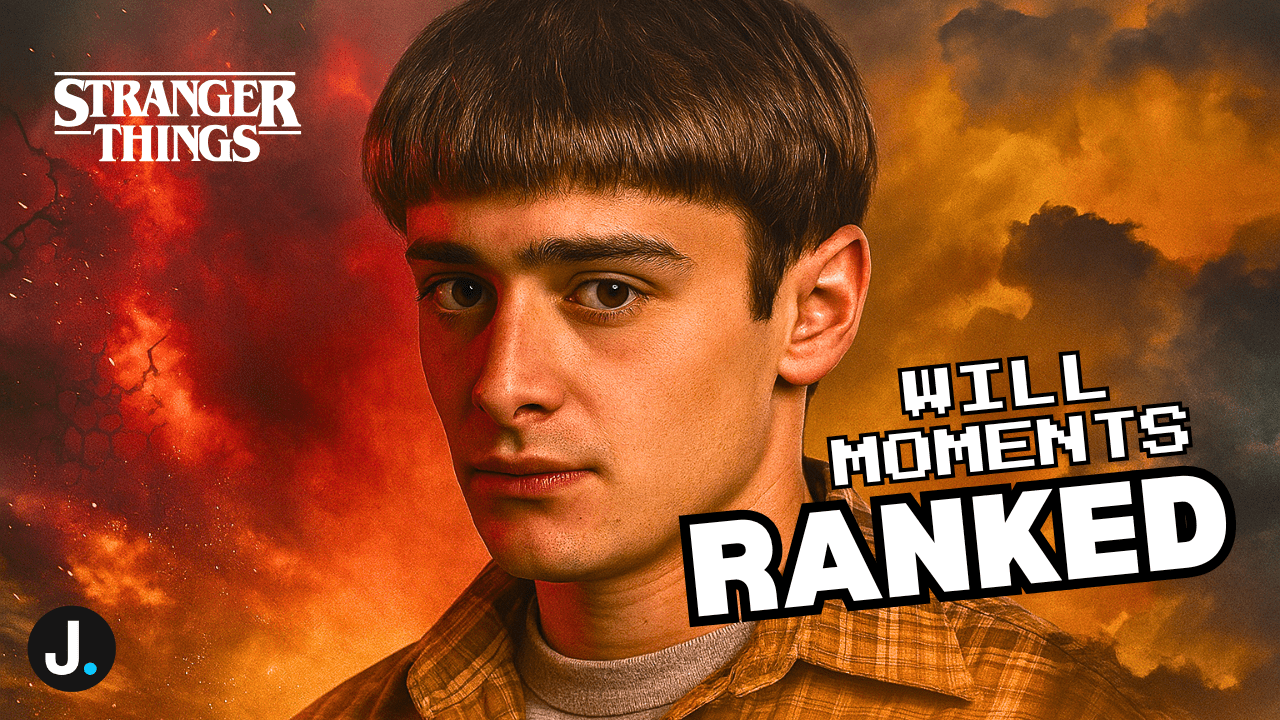
Characters like the Byers family embody these tensions. Will and Jonathan navigate a world that is not only threatening due to supernatural forces but also colored by financial struggles and a sense of societal neglect. Contrast this with the Wheelers, who inhabit a more affluent bubble, and the disparities become stark. Just as Tina in Elm Street contended with an abusive home and boyfriend trouble, Hawkins’ children grapple with personal trauma and external threats, reflecting the duality of seemingly ordinary suburban life.
The adults in Hawkins often mirror the inaction of Springwood parents. Joyce Byers and Chief Hopper attempt to intervene but are frequently overwhelmed, paralleling the oblivious or powerless adults surrounding Elm Street’s teenagers. Even the most caring figures are limited, highlighting how childhood fears and nightmares often go unacknowledged until they manifest in destructive ways.
The Duffer Brothers skillfully layer these societal critiques into their supernatural narrative. By juxtaposing everyday hardships with the horrors of the Upside Down, they create a resonance that elevates Stranger Things beyond a typical adventure-horror series. The struggles of the kids are amplified, not just by Vecna or Demogorgons, but by the systemic neglect and interpersonal dynamics that shape their world.
The thematic resonance of Elm Street extends beyond horror motifs into the very structure of Stranger Things’ storytelling. In A Nightmare on Elm Street 3: Dream Warriors, a group of teenagers bands together to confront Freddy, using ingenuity and collective courage to survive. Stranger Things mirrors this dynamic with Eleven, Mike, Dustin, Lucas, Max, and others uniting to fight Vecna and protect Hawkins.
Both narratives center on adolescent resilience and the consequences of ignoring systemic failings. Trauma is cyclical, passing from one generation to the next unless actively confronted. In Hawkins, as in Springwood, the adult world’s negligence contributes to the dangers faced by the youth. By incorporating these themes, the Duffer Brothers imbue Stranger Things with emotional depth, exploring friendship, courage, and ethical responsibility in the face of unimaginable threats.
The visual storytelling reinforces this cycle. Dream sequences, flashbacks, and the Upside Down itself function as symbolic spaces where fears, insecurities, and unaddressed trauma materialize. Just as Elm Street’s nightmares expose suppressed anxieties, Hawkins’ supernatural encounters externalize the characters’ personal struggles. Each victory over Vecna or the Demogorgon is not merely physical; it represents the characters confronting and mastering the psychological challenges of growing up in a flawed world.
As the series moves into its fifth season, the echoes of Freddy Krueger’s influence remain strong. From thematic parallels and character dynamics to direct casting homages, Wes Craven’s legacy reverberates through Hawkins, informing the tension, horror, and narrative sophistication that make Stranger Things a phenomenon. By blending homage, psychological insight, and nostalgic world-building, the show honors its influences while crafting a distinct, emotionally resonant universe that resonates with fans across generations.
Wes Craven’s A Nightmare on Elm Street left an indelible mark on horror, and the Duffer Brothers have absorbed this influence to enrich Stranger Things. From the haunting figure of Vecna to the socio-cultural commentary embedded within Hawkins, the parallels to Elm Street are extensive, nuanced, and deeply satisfying. The show’s ability to merge stylistic homage with character-driven storytelling ensures that the terror of Hawkins remains compelling, emotionally engaging, and culturally resonant.
As fans gear up for the climactic fifth season, the threads connecting Freddy Krueger to Vecna, Springwood to Hawkins, and adolescent fears to supernatural horror will continue to unravel in ways that are terrifying, thrilling, and unmistakably 1980s.