Stranger Things has always been a masterclass in nostalgia. From Eggo waffles to walkie-talkies, the show lures us back to the 1980s, but it does so in a way that’s emotionally resonant rather than kitschy. The Dungeons & Dragons theory takes this further, suggesting that the adventures we’ve watched for years could simply be the adult characters’ way of processing their childhoods. The kids’ obsession with D&D isn’t a throwaway detail; it’s central to the story, highlighting imagination, strategy, and the courage required to face unknown dangers.
Fans have pointed out that the cyclical structure of Stranger Things—the repeated journeys into the Upside Down, facing different monsters, and returning to safety—mirrors the rhythm of a D&D campaign. One Reddit user speculates, “The whole story could just be that,” proposing that Hawkins is essentially a canvas for the adult characters to replay their childhood quests. This theory cleverly taps into the show’s underlying themes: how past traumas, friendships, and victories shape our adult lives, and how imagination allows us to reinterpret our fears.
By framing the story as a D&D campaign, we start to see each supernatural event not just as horror but as narrative therapy. The Upside Down becomes a shared playground of the psyche, a place where childhood anxieties and fantastical storytelling collide. Stranger Things, through this lens, operates as both escapism and introspection, blending nostalgia with existential exploration.
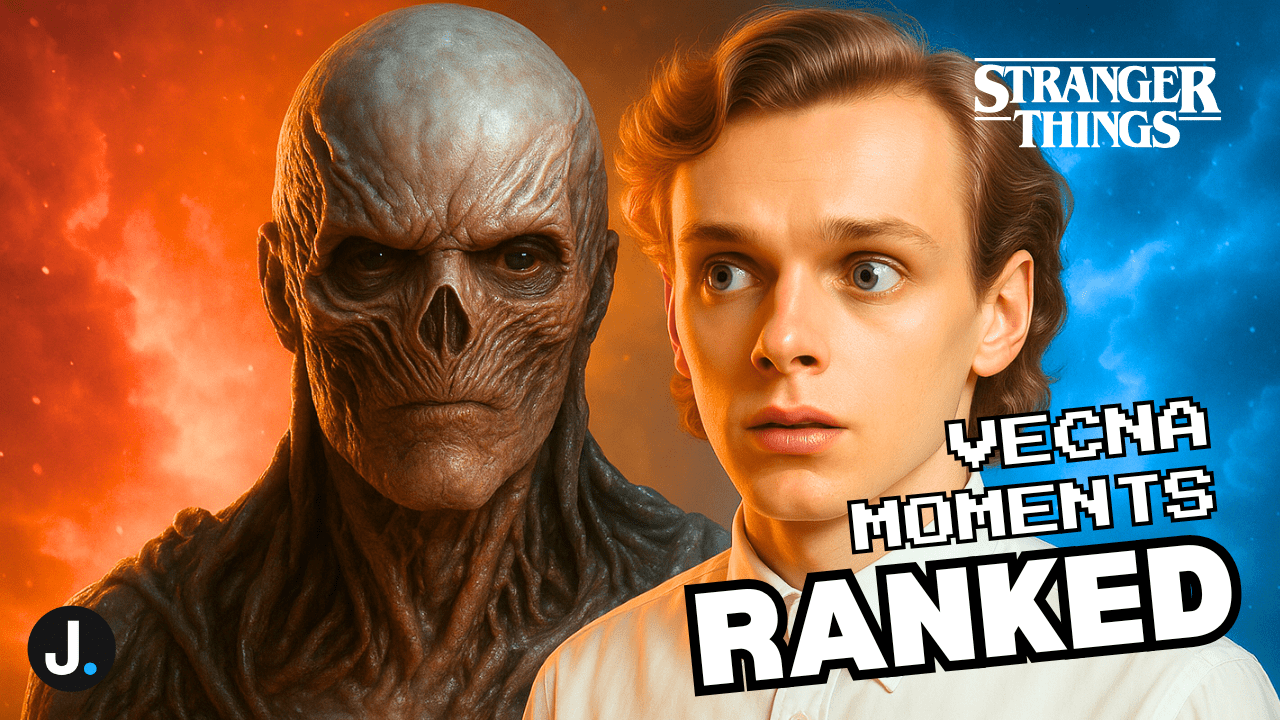
If you squint a little, every monster the kids face can be read as a metaphor for adult anxieties. The Demogorgon? A manifestation of social alienation. The Mind Flayer? A representation of oppressive systems or internalized fear. This D&D-as-reality theory positions each supernatural encounter as a strategy session: the kids (or the adult minds behind them) map out challenges, roll dice, and confront their own insecurities in fantastical form.
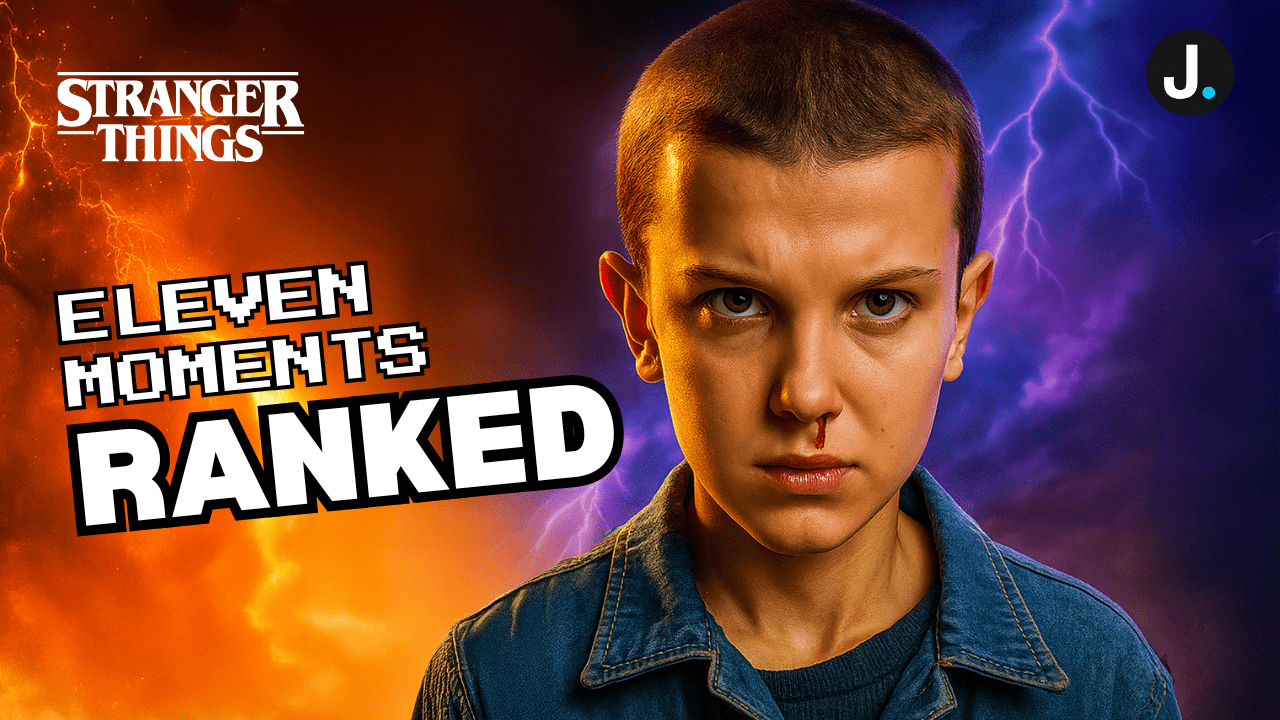
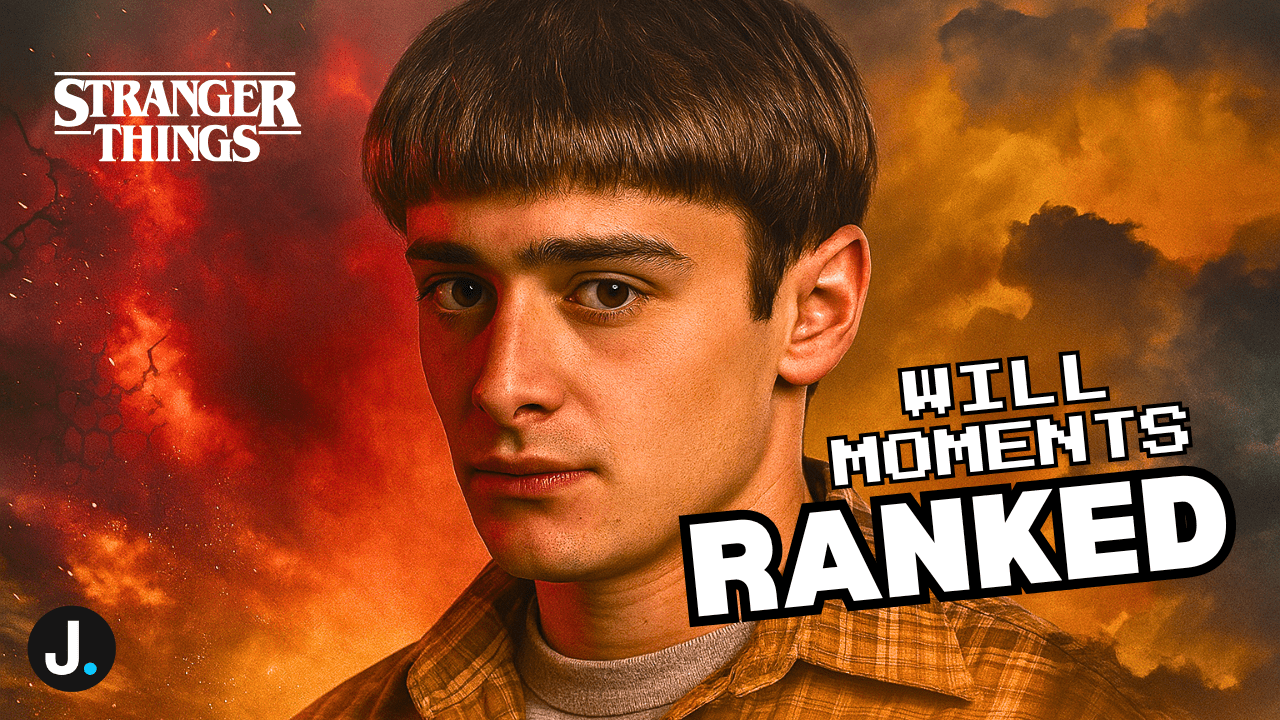
Stranger Things has always thrived on these layered interpretations. The show’s creators, Matt and Ross Duffer, have frequently acknowledged the power of childhood imagination to process real-world fears. By combining the familiar tropes of horror with the imaginative mechanics of D&D, the series highlights the ways we tackle trauma as children and carry it into adulthood. Will Byers’ repeated brushes with the Upside Down, Eleven’s psychokinetic powers, and Dustin’s encyclopedic knowledge of monsters all serve as allegorical tools for facing fears that are bigger than their bodies, yet entirely human in scope.
Viewed through the D&D lens, the monsters are not just villains—they are the tangible embodiments of challenges, from family pressures to societal expectations, that shape the journey from adolescence to maturity. It’s a clever narrative device that turns Hawkins into both a battlefield and a workshop for emotional resilience.
Even the cast seems fascinated by the theory. Gaten Matarazzo, who plays Dustin, has remarked, “It’s an interesting idea,” acknowledging the depth of narrative possibilities this interpretation opens. By considering the show as a D&D campaign, viewers—and even actors—engage with the story on a meta-level, pondering how childhood experiences ripple into adult identity.
The theory emphasizes one of the core strengths of Stranger Things: its universality. Fans of all ages connect with the story, seeing themselves in the characters’ friendships, fears, and triumphs. Whether the finale reveals Hawkins as a literal supernatural town or the interior of Mike’s basement becomes the ultimate twist, the narrative’s power lies in its emotional resonance. Friendship, bravery, and imagination remain central, mirroring the collaborative and immersive nature of D&D itself.
This perspective also prompts a deeper appreciation for the Duffer Brothers’ craft. The meticulous world-building, attention to 1980s detail, and rich character arcs all serve the dual purpose of delivering suspense while providing commentary on memory, nostalgia, and human psychology. Each season revisits old fears, triumphs, and losses, much like an epic tabletop campaign that grows in complexity with every session.
If Stranger Things 5 does ultimately reveal the D&D twist, it would recontextualize the series’ entire narrative while reinforcing the themes of imagination, courage, and collective storytelling. Whether fans rejoice or riot online, the speculation itself highlights the genius of the series’ design: every detail, every callback, and every Easter egg feeds into a multilayered experience that rewards curiosity, empathy, and fandom.
Speculation about the D&D-as-reality theory invites viewers to reflect on their own childhoods, their fears, and the friendships that helped shape them. It reframes the supernatural as a conduit for understanding human emotion, creating a tapestry where horror, nostalgia, and imagination coexist seamlessly. Stranger Things has always been about more than monsters and 1980s nods—it’s about how we navigate the world with courage, wit, and the people we care about most.
As we await the release of Stranger Things 5, fans hold their breath for the possibility that the series might subvert all expectations, reminding us that storytelling can be simultaneously fantastical, emotional, and deeply human. Whether Hawkins remains haunted by otherworldly horrors or the mysteries are confined to Mike’s basement, the journey has always been about connection, bravery, and imagination. And really, isn’t that the ultimate adventure?