Before Hawkins became a household name, Matt and Ross Duffer were armed with nothing more than ambition, a pen, and a 23-page pitch deck, originally titled Montauk: An Epic Tale of Sci-Fi Horror. Netflix eventually took a chance, but not before the brothers faced more than a dozen rejections from studios wary of their unique blend of nostalgia and horror. Their goal? To create “a love letter to the golden age of Steven Spielberg and Stephen King - a marriage of human drama and supernatural fear.”
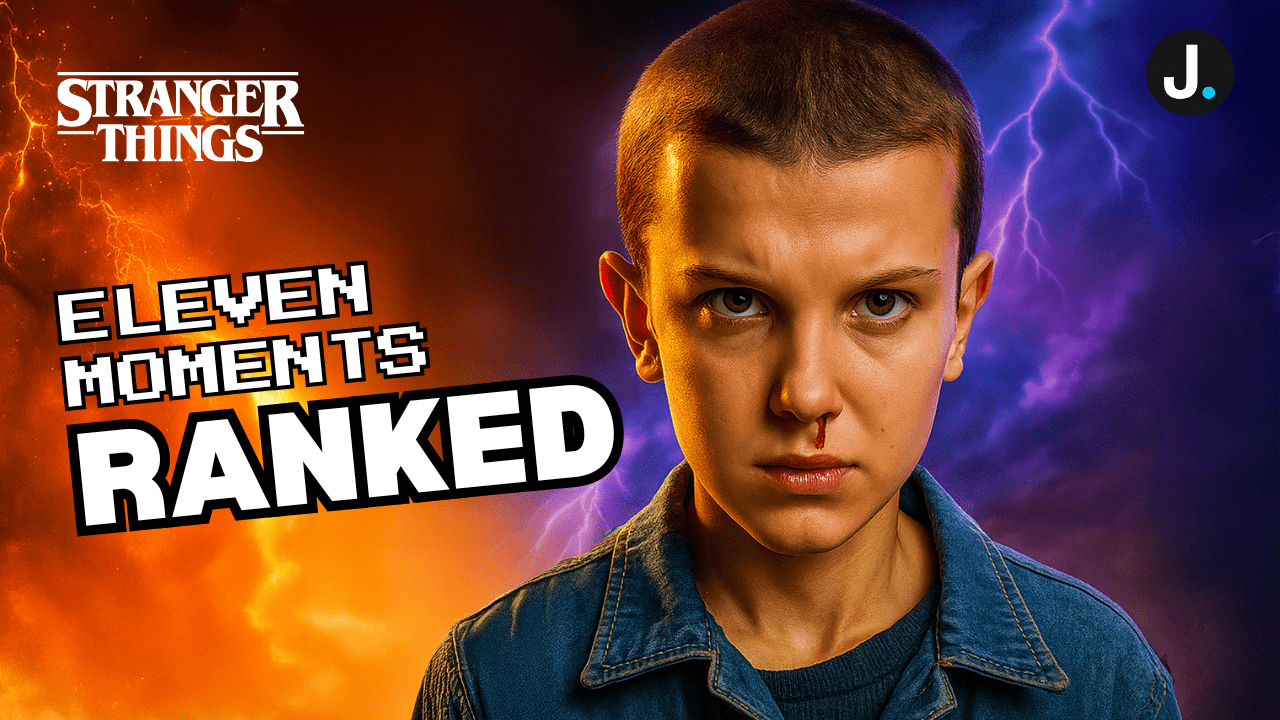
The pitch deck was packed with references that would define the Stranger Things universe: vintage walkie-talkies, RadioShack gadgets, and Dungeons & Dragons campaigns. These details weren’t just window dressing—they were an homage to the era that shaped the brothers’ own childhoods. Concept sketches included Eleven, enigmatic and central to the narrative, hinting at her mysterious backstory and psychic abilities.
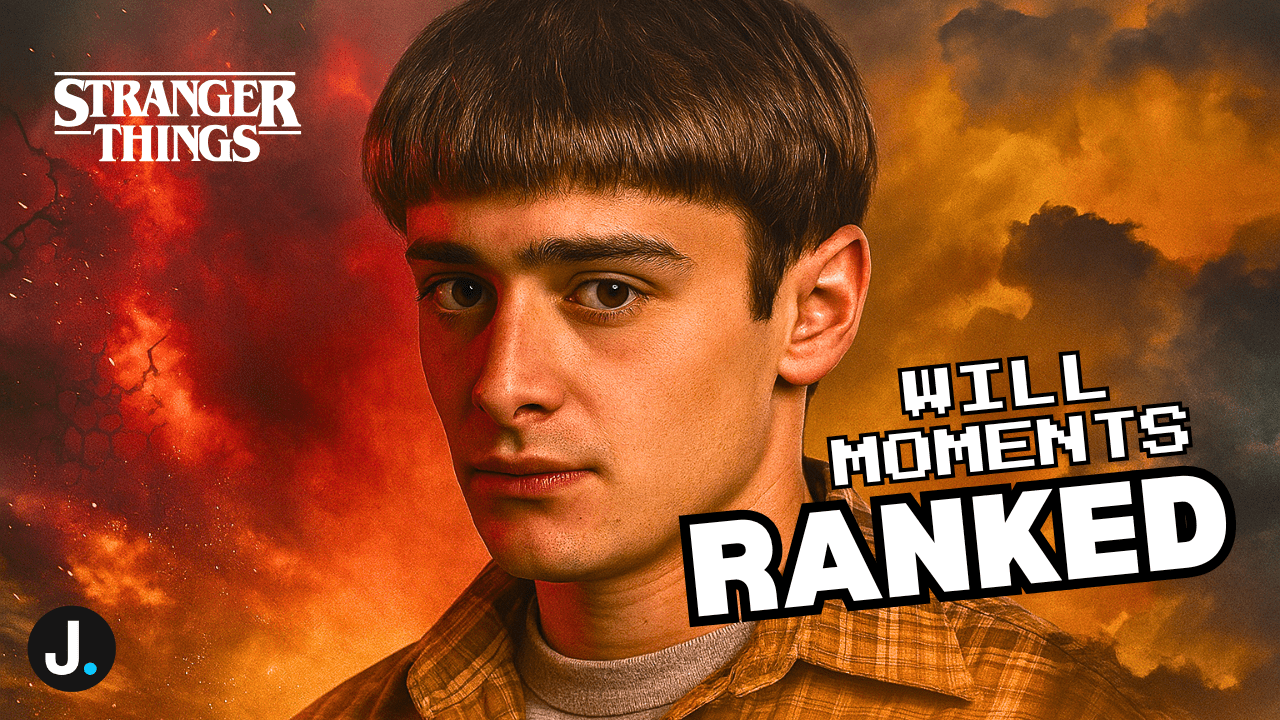
The brothers also envisioned the story stretching beyond an initial eight-hour series. Their proposal included a sequel set a decade later, allowing characters like Eleven, Will, Joyce, and Chief Hopper to evolve alongside the audience. This early foresight speaks to their understanding that good storytelling involves continuity, character development, and layered plotlines that reward attentive viewers.
To give Stranger Things a foundation in “real” conspiracy, the Duffer brothers drew inspiration from the Montauk Project. Located on Long Island, the site had long been rumored to host time travel experiments, alien encounters, and covert military operations. By embedding these legends into Hawkins’ story, the Duffers created a sense of grounded mythology that made the supernatural elements feel plausible and terrifying.
Their pitch outlined a three-act structure designed to escalate suspense and emotional stakes:
- Act One: Explores the fallout from Will Byers’ disappearance, illustrating how trauma ripples through families and the town.
- Act Two: Delves deeper into the haunting, with Montauk’s supernatural forces growing more threatening and new characters, including the perceptive Mr. Clarke, adding depth to the investigation.
- Act Three: Culminates in a unified confrontation against dark forces, with characters venturing into the unknown, confronting both external monsters and internal fears.
This layered structure ensured that suspense was never superficial; it was always intertwined with the human story. Hawkins’ residents weren’t just battling creatures from another dimension—they were grappling with grief, fear, and the fragility of their connections.
The Duffers’ approach to horror was ambitious. They didn’t rely solely on monsters; they sought to root fear in scientific plausibility. Concepts like dark matter, wormholes, black holes, and string theory were woven subtly into the narrative, lending credibility to the supernatural phenomena. “We want to use the mathematics of theoretical physics to ground our horror in reality. Our supernatural entities will remain mostly obscured throughout, hidden in the shadows, tucked away just off-screen,” they explained.
Music played a pivotal role in establishing the show’s tone. By blending 1980s classics like Toto’s “Africa” with John Carpenter-style synth, the pitch deck demonstrated how auditory nostalgia could heighten tension and emotion simultaneously. The marriage of visual cues, music, and narrative suspense ensured that Stranger Things would appeal to both fans of supernatural horror and devotees of retro pop culture.
The pitch deck also made it clear that character was as important as spectacle. Emotional arcs, ethical dilemmas, and interpersonal relationships were embedded alongside monster designs and shadowy alternate dimensions. The Duffer brothers understood that a compelling story relies on human stakes; without it, even the most terrifying creature risks feeling hollow.
The original Stranger Things pitch deck offers a rare glimpse into the meticulous planning and nostalgic heart that fueled the series’ meteoric rise. From sketches of Eleven to Montauk-inspired conspiracy lore, the document captures the intersection of fear, science, and human emotion. The show’s blend of 1980s pop culture, theoretical physics, and character-driven suspense demonstrates why Stranger Things resonates on multiple levels and why its legacy endures as fans eagerly await Season 5.
By revisiting this foundational material, viewers gain an appreciation for the depth of vision required to launch a series that became a cultural phenomenon. The Duffer brothers’ pitch deck reminds us that behind the monsters, the Upside Down, and the synth-heavy nostalgia lies a story carefully crafted to explore fear, friendship, and the indelible power of human connection.