Ever since Stranger Things premiered in 2016, fans have obsessed over the Upside Down, this shadowy mirror of Hawkins, Indiana. What exactly is it, and why does it feel so stuck in time? As the series barrels toward its November 2025 finale, one of the juiciest fan questions has emerged: could the Upside Down actually be a frozen copy of Hawkins, permanently locked in 1983, the year Will Byers vanished?
That date isn’t just a number; it’s loaded with narrative significance. November 6, 1983, saw Will disappear, Eleven open the mothergate, and the first real breach of Hawkins’ reality occur. Reddit theorist Scraw16 suggested that before Eleven’s portal meddling, the Upside Down was "a virtual ghost town"—barren, undefined, ominous. When Eleven cracked the gate, it crystallized, effectively saving Hawkins mid-1983 in this otherworldly snapshot.
Fans have noticed subtle cues throughout Seasons 1-4 that hint at this frozen-in-time phenomenon. The architecture, the street layouts, and even specific objects from Hawkins all appear eerily unchanged despite the passage of years in the “real” town. The Upside Down is less a dynamic alternate dimension and more a temporal echo, a haunting reflection of trauma captured in amber.
If we accept that the Upside Down is a time capsule, it raises some wild implications for storytelling. The “real” Hawkins keeps changing: kids grow up, parents move on, romantic relationships develop, and society evolves. But the Upside Down remains fixed, an unnerving constant against which all changes are measured.
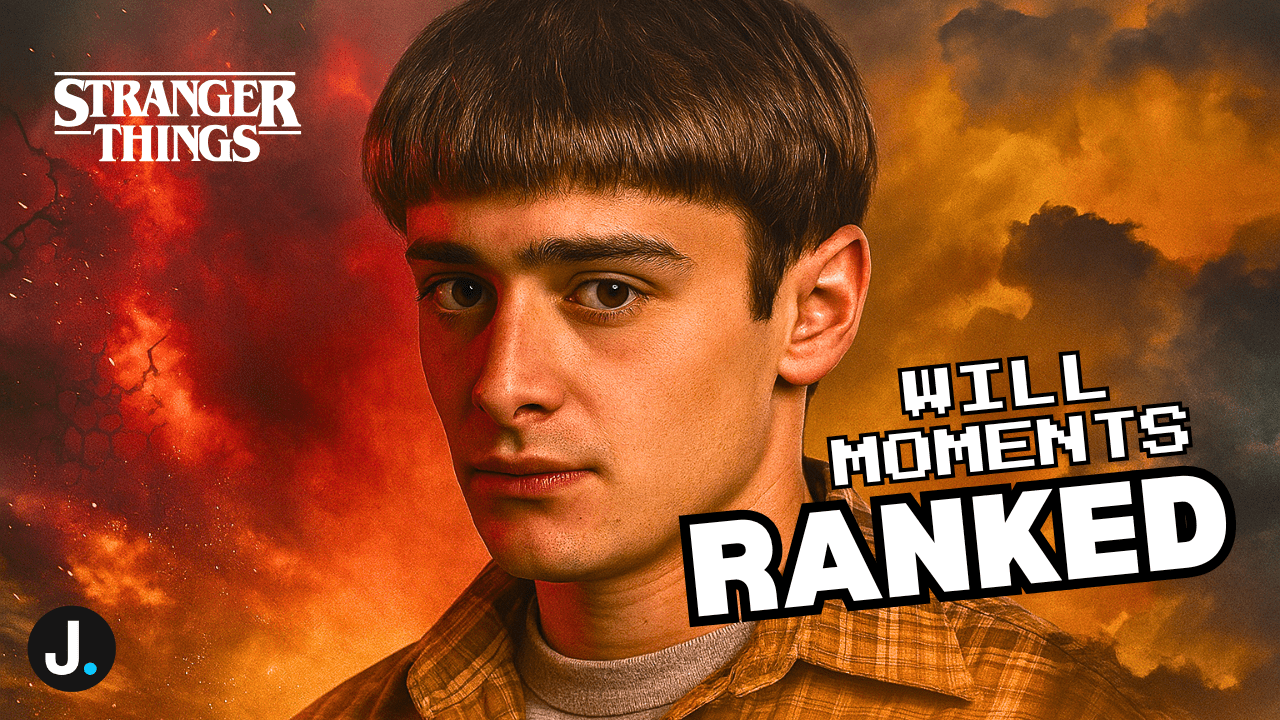
This narrative choice isn’t just creepy imagery—it’s metaphor. The stasis of the Upside Down mirrors unresolved trauma. Characters like Will, Max, and even Eleven carry the shadows of November 1983 into the present, confronting fears that were frozen at the moment of their inception. For Will, in particular, this dimension is deeply personal. Every interaction with the Upside Down serves as a reminder that his past continues to shape his reality.
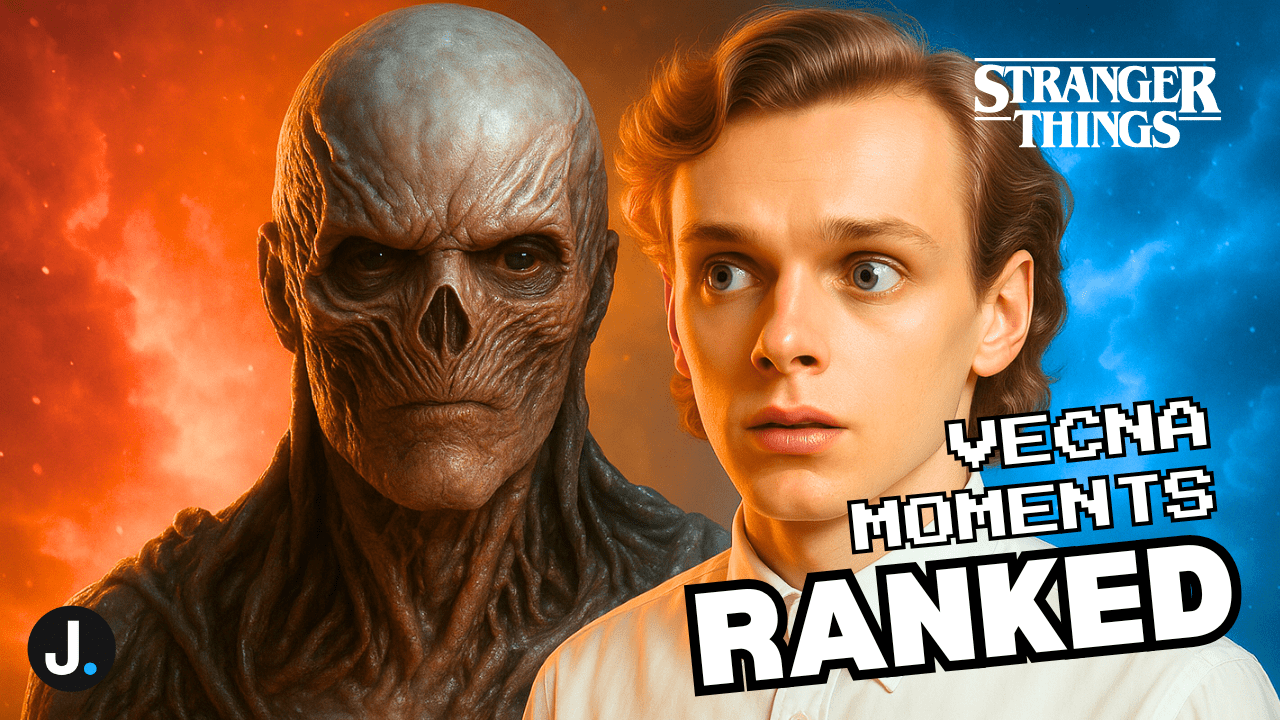
The frozen nature also adds tension and stakes to Season 5. Imagine walking through your hometown as it existed decades ago, while the world outside has moved forward. Relationships that evolved in Hawkins are juxtaposed against a stagnant, dangerous reflection of what was. Fans theorize that this temporal lock could even be the key to defeating Vecna or any other final antagonists: perhaps altering the Upside Down’s state will help heal the town itself, blending emotional resolution with supernatural strategy.
Season 5 promises to capitalize on the frozen Upside Down as a major narrative element. The Duffer Brothers have expertly merged suspense, horror, and heartfelt drama throughout the series, and the fifth season may finally reveal the rules governing this eerie dimension. Can the Upside Down evolve alongside Hawkins, or will it remain a sinister mirror that traps trauma in a cycle?
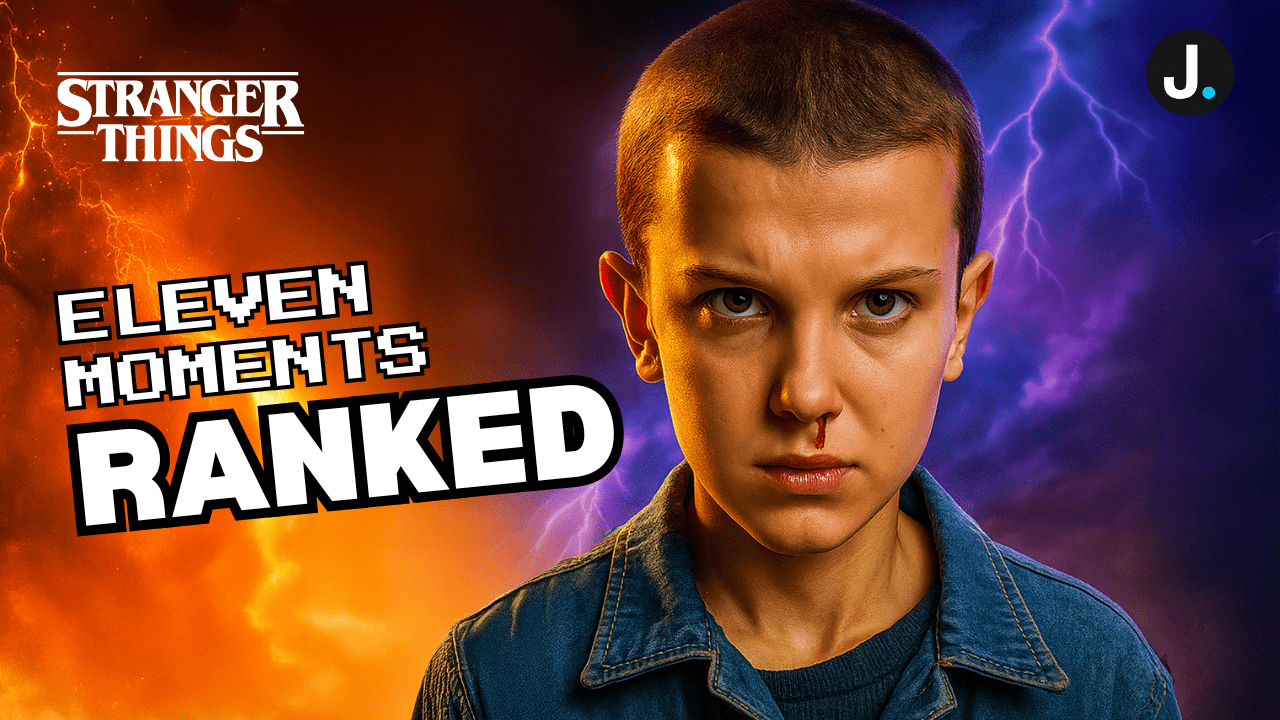
The implications for the main cast are massive. Will and his friends might have to physically and emotionally navigate this frozen landscape, confronting unresolved fears and unhealed wounds. The Upside Down could become a psychological battleground, challenging characters to reconcile their past traumas with the person they’ve become over the series. For Eleven, whose powers first catalyzed the Upside Down’s creation, this could be the ultimate test—both as a hero and as someone intimately tied to its origins.
Fans have also speculated about what a frozen Upside Down could mean for new or returning supernatural elements. If Hawkins’ 1983 snapshot includes not only terrain but also residual psychic or elemental energy, Tiamat-like creatures or Vecna’s lingering influence could feel even more omnipresent. The stakes of Season 5 may hinge on whether the kids can manipulate this frozen reality to their advantage, or whether the Upside Down remains a cruel, unchanging force that forces them to adapt and overcome in unprecedented ways.
The frozen Upside Down theory also resonates thematically with one of Stranger Things’ core messages: the past shapes the present, but confronting it is the only way forward. By presenting a dimension literally trapped in a traumatic moment, the show reinforces the idea that fear, loss, and grief don’t vanish—they linger until acknowledged and confronted. Season 5, in that sense, becomes more than an action-packed finale. It’s a meditation on memory, trauma, and the process of moving forward while honoring what came before.
As Hawkins’ heroes prepare to step into the final confrontation with Vecna, Mind Flayers, or possibly a D&D-inspired dragon, the frozen Upside Down stands as both battleground and mirror. It forces them—and the audience—to reconcile with what happened in 1983, while simultaneously preparing for the chaos and danger that the present brings. In the end, the Upside Down isn’t just a spooky alternate dimension. It’s a metaphorical echo of every fear, every loss, and every unspoken moment that has shaped Hawkins—and all of us—since Will Byers vanished into its dark embrace.
In November 2025, when Stranger Things 5 premieres, fans will get answers, thrills, and perhaps a final reckoning with the shadowy town that has haunted our imaginations for nearly a decade. One thing is certain: Hawkins may change, but the Upside Down will always remind us of the fragility of time, memory, and courage when facing what lurks just beyond the veil.