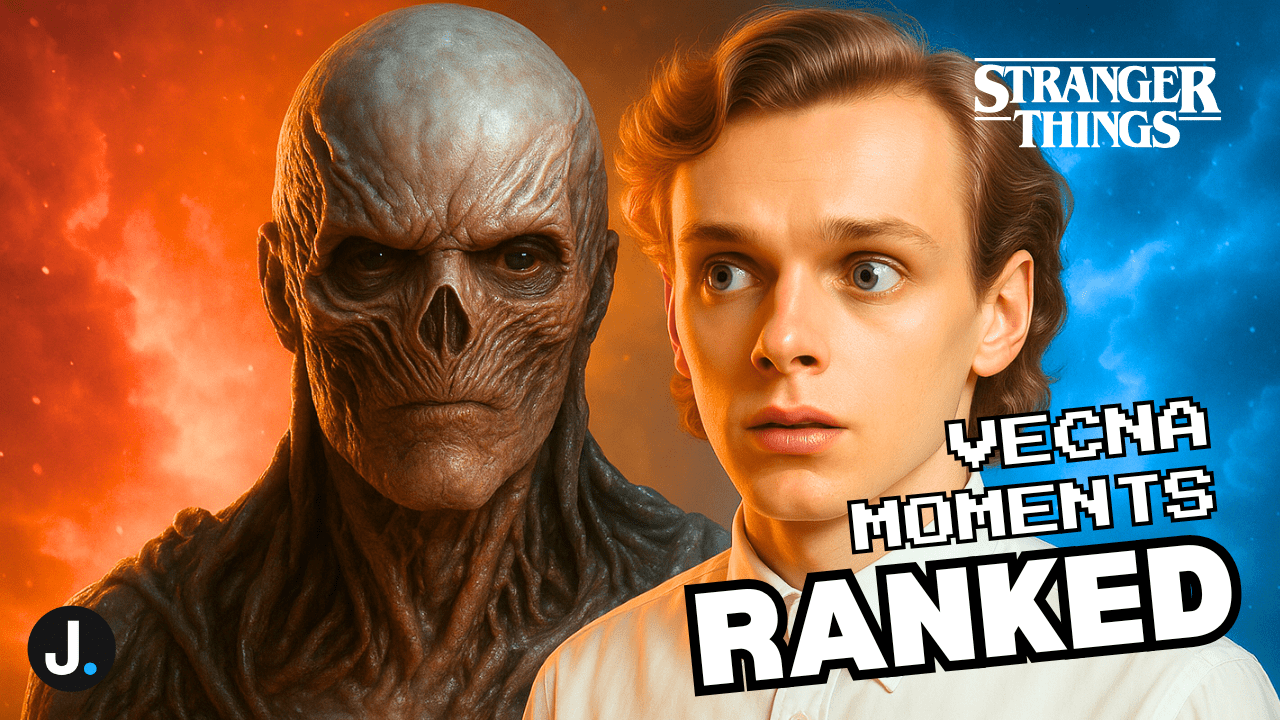
When Stranger Things introduced Vecna in Season 4, the world met Henry Creel, a seemingly ordinary figure whose descent into the monstrous Vecna sent chills down viewers’ spines. Jamie Campbell Bower, tasked with bringing this harrowing character to life, dove headfirst into one of the most psychologically demanding roles of his career. Speaking at MegaCon Orlando, Bower revealed the emotional weight of his departure from the series: “I was in tears, it was weird, I didn't want to say goodbye, but I definitely was ready to put down what I had been doing for some time.”
For Bower, saying goodbye to Vecna was a complex experience. The role had been transformative, both professionally and personally, challenging him to explore the darkest corners of human nature. Portraying a character responsible for terrorizing Hawkins’ residents, particularly Max (played by Sadie Sink), required more than surface-level performance; it demanded immersion into a character whose very presence exudes menace and psychological torment. The actor’s reflection underscores how deeply immersive acting can be, particularly when balancing the character’s intensity with the vulnerability necessary to humanize the story.
The journey wasn’t linear. Season 4 demanded grueling physical preparation, hours in prosthetic makeup, and emotional endurance. Bower’s portrayal of Vecna captured both the horror of the Upside Down and the intricate humanity beneath the villain’s terrifying exterior. In embodying a character that straddles duality—human and monster, villain and tragic figure—Bower exemplified the blend of artistry and resilience required to inhabit a truly iconic figure in modern pop culture.
For someone joining a beloved ensemble only in its fourth season, Bower’s experience highlights the emotional intensity of stepping into a narrative that has already captured the imaginations of millions. While the original cast has shared years together, creating bonds both on and off the screen, Bower’s integration into Hawkins’ universe came with unique challenges. He wasn’t merely acting; he was stepping into a pre-established world and leaving an indelible mark.
Bower described the surreal sensation of completing his last scene: “Somebody took a photo of me after we finished the last scene and I just looked like a man that's just been carrying so much weight for so long.” The photograph became emblematic of the duality of the acting process—the simultaneous relief of finishing a demanding arc and the grief of leaving a character that has profoundly shaped one’s experience.
The psychological weight of Vecna is significant. From Henry Creel’s trauma to Vecna’s calculated terror, Bower carried the character’s darkness into every frame. Fans of the series will recall how Max’s mind-bending confrontations with Vecna blend visceral horror with emotional gravity, and Bower’s dedication ensured that every scene delivered impact. His reflections highlight an often-overlooked aspect of acting: the necessity to compartmentalize intense emotions while still fully immersing oneself in the narrative.
For Bower, these emotions were heightened by the real-world context of the pandemic and industry strikes. These external pressures added layers of complexity to his experience, making the act of saying goodbye to Vecna more than an artistic milestone—it became a deeply personal moment. His transparency offers fans a glimpse behind the curtain of Hollywood’s production process, illustrating the sacrifices actors make to bring supernatural terror convincingly to life.
While Bower carefully avoided giving away plot specifics for Season 5, his reflections hint at a final season packed with suspense and artistic ambition. “There were moments where I was like, really worried and just kind of pushing through,” he recounted, evoking curiosity about Vecna’s ultimate trajectory and the challenges awaiting Hawkins’ heroes. The emotional stakes of the finale are compounded by the fact that the series has matured alongside its cast and audience, promising a convergence of narrative threads that fans have been following for nearly a decade.
Vecna’s presence in the final season represents more than just another villain to confront; it symbolizes the culmination of Stranger Things’ ability to blend supernatural terror with deeply human storytelling. Bower’s reflections on his time in the role serve as a reminder of the personal investment behind the scenes. Each wrinkle of prosthetic makeup, each shadowy stare, and every haunting gesture were the results of collaboration, patience, and an unwavering commitment to storytelling.
As Hawkins braces for the final showdown, Bower’s experiences offer context to viewers who will soon witness the last chapters of the series. His tears at the end of filming aren’t merely about leaving a job—they represent the intersection of artistry, friendship, and narrative weight. Vecna is more than a monster; he’s a vessel for the emotional, psychological, and creative labor invested by Bower and the Stranger Things team.
For fans, this perspective adds depth to the viewing experience. It transforms suspenseful sequences into moments that reflect real human effort, and terror into art crafted with care. As Stranger Things Season 5 approaches, the anticipation is intensified not just by plot questions but by an appreciation of the labor, love, and dedication that shaped the narrative from the very first frame of Hawkins’ adventures.
Bower’s reflections offer reassurance to viewers: even in a world where darkness looms, the hearts behind the screen are deeply invested. Vecna’s menace is inseparable from the passion of the actor portraying him, reminding audiences that horror, at its best, is as much about human commitment as it is about supernatural fear.