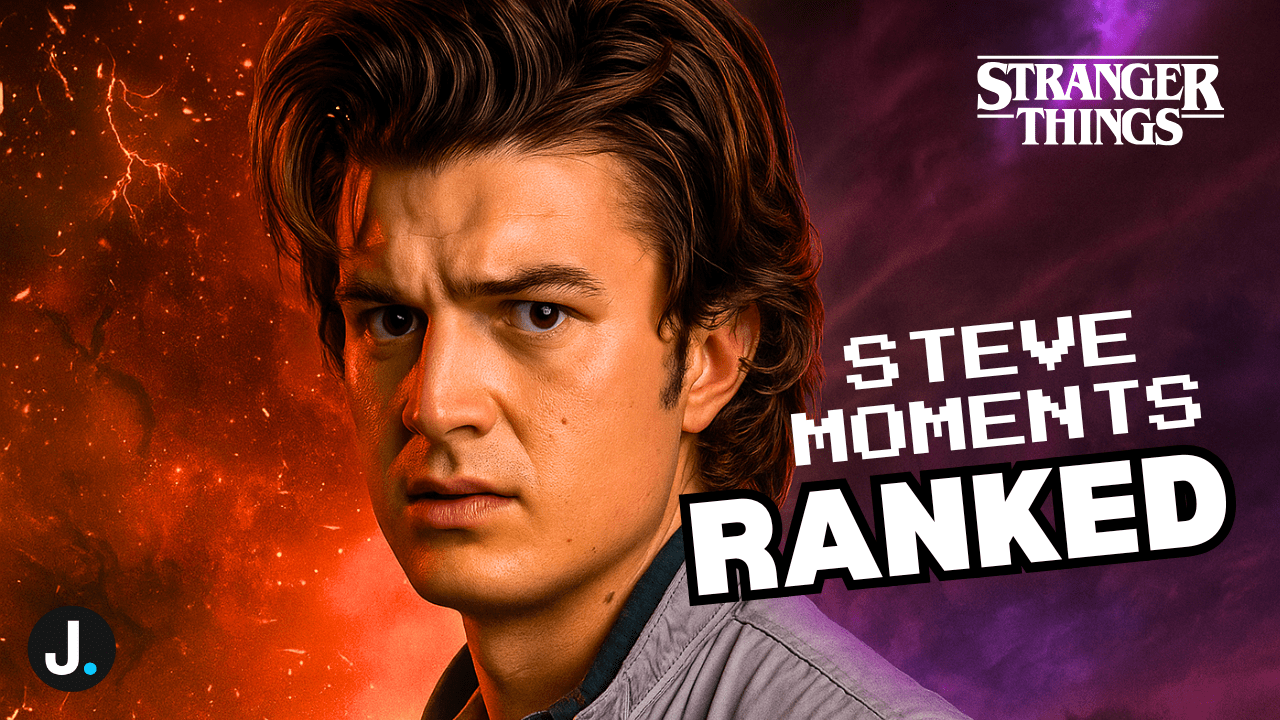
Joe Keery, beloved for his portrayal of Steve Harrington, recently spoke with E! News’ While You Were Streaming, issuing a warning that immediately made fans sit up: “Kids will be scared… Kids will have nightmares.” It’s a statement that hints at the psychological intensity awaiting viewers in Season 5, and fans of the show are buzzing with curiosity. The warning is not idle hype; it’s rooted in the tonal trajectory established by Season 4, which leaned heavily into horror, explicitly paying homage to the 1984 classic A Nightmare on Elm Street.
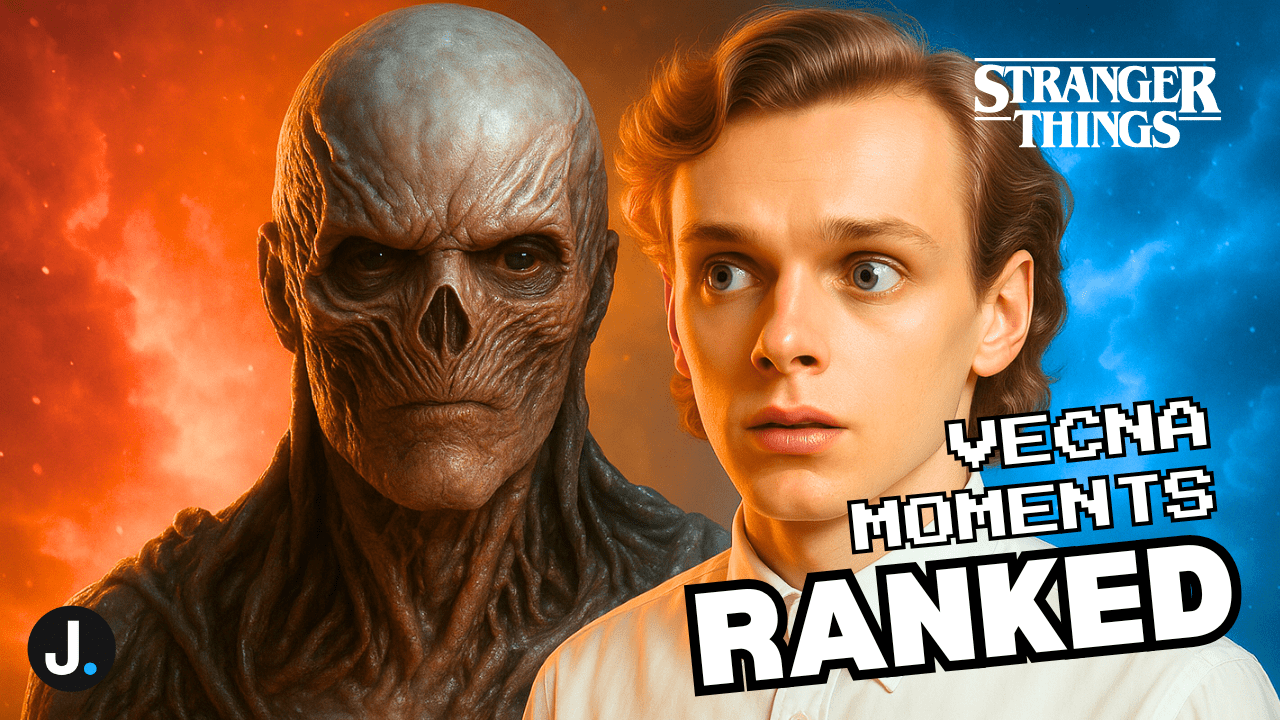
Hawkins has always teetered on the edge between supernatural mystery and horror, but Vecna’s introduction escalates the threat to an unprecedented level. As a villain who invades dreams and manipulates reality, Vecna echoes Freddy Krueger’s terrifying methodology, preying upon the fears of Hawkins’ youth. The Duffer Brothers have long enjoyed weaving 1980s horror references into the fabric of Stranger Things, but Season 4’s explicit nods—six in total—to Wes Craven’s seminal film make the connection unmistakable. It’s not just visual homage; the series captures the psychological weight of childhood terror, echoing the ways Freddy would haunt the subconscious of Nancy Thompson and her friends.
Adding to the gravitas is Robert Englund, legendary for embodying Freddy Krueger, who portrays Victor Creel, Vecna’s first victim. The parallel is deliciously eerie: both villains share not only methods of terror but also tragic backstories that explore the loss of innocence and the shadowy aspects of human experience. Englund’s presence acts as a bridge between the classic slasher canon and the contemporary world of Hawkins, reminding viewers that the series is simultaneously a love letter and a reinvention of 1980s horror tropes.
The homage to A Nightmare on Elm Street in Stranger Things extends beyond visual frights; it permeates the characters’ arcs and the struggles of youth. Eddie Munson, portrayed by Joseph Quinn, is introduced as the charismatic and misunderstood leader of The Hellfire Club. Much like Rod from Craven’s original film, Eddie is ensnared by circumstances beyond his control. Witnessing a horrific murder and being unjustly accused positions him as a tragic figure, exploring themes of societal judgment, betrayal of innocence, and the pressures teenagers face under extraordinary conditions.
Nancy Wheeler, played by Natalia Dyer, further cements the series’ engagement with slasher archetypes. Her confrontations with Vecna evoke comparisons to Nancy Thompson, the iconic “final girl” of A Nightmare on Elm Street. Through intelligence, courage, and resilience, Nancy navigates both the supernatural dangers of Hawkins and the internal stakes of adolescence. These parallels are not mere fan service; they reinforce the narrative richness of the series. Viewers are reminded that horror, when combined with well-developed characters, heightens emotional investment and delivers a far more gripping experience than mere jump scares ever could.
Season 4 also explored the terrifying consequences of Vecna’s powers through dream invasions, a direct nod to Freddy Krueger’s modus operandi. Hawkins’ teens are haunted while asleep, forced to confront trauma and fear in a psychological arena that transcends the normal boundaries of supernatural storytelling. The fact that Vecna can breach the dream world and attack while characters are awake raises the stakes exponentially, amplifying tension and establishing an almost claustrophobic sense of danger for the town’s residents.
No discussion of Stranger Things horror would be complete without examining the show’s audacious visual homages. Season 4 pushed boundaries with grotesque and thrilling imagery reminiscent of classic slasher cinema. Nancy Wheeler’s descent into a blood-filled swimming pool is a chilling nod to Johnny Depp’s iconic demise in A Nightmare on Elm Street. The scene’s audacity underscores the show’s commitment to blending nostalgia with contemporary visual storytelling, producing a horror experience that is simultaneously familiar and innovative.
The interplay of blood, fear, and teen angst exemplifies how Stranger Things balances homage with modern storytelling sensibilities. While the series taps into the rich iconography of 1980s horror, it never loses sight of its emotional centre: the trials, triumphs, and traumas of adolescence. Each gruesome encounter or nightmarish vision serves as a metaphor for growing pains, social pressures, and the haunting weight of responsibility that falls upon Hawkins’ young inhabitants.
Joe Keery’s warning gains additional resonance against this backdrop. The show does not merely rely on superficial scares; it immerses viewers in a psychologically charged landscape that resonates beyond the screen. Kids, teens, and adult fans alike are primed for a season that will demand emotional engagement, bravery, and a willingness to embrace the terrifying unknown.
As the countdown to Season 5 continues, anticipation grows for how these elements—Vecna’s nightmare-inducing presence, Eddie Munson’s tragedy, Nancy’s resilience, and the rich homage to 1980s horror—will converge. Fans can expect a season that blends jump scares with genuine emotional stakes, clever callbacks to genre classics, and complex character arcs that will likely redefine what we think we know about Hawkins, Indiana.
With Vecna’s reach extending into dreams and waking life, Nancy stepping fully into the “final girl” archetype, and Eddie Munson embodying youthful injustice and rebellion, Stranger Things Season 5 promises a chilling, cinematic experience that honours its horror roots while charting a brave new course. Joe Keery’s ominous yet tantalising words, “Kids will have nightmares,” serve as both a warning and an invitation: prepare for sleepless nights, revisit the classics, and embrace the thrill of being terrified in the comfort of your own living room. The Duffer Brothers have woven a rich tapestry of homage, suspense, and character-driven drama, ensuring that the next chapter in Hawkins’ story will leave a lasting impression—one that will keep fans talking long after the credits roll.