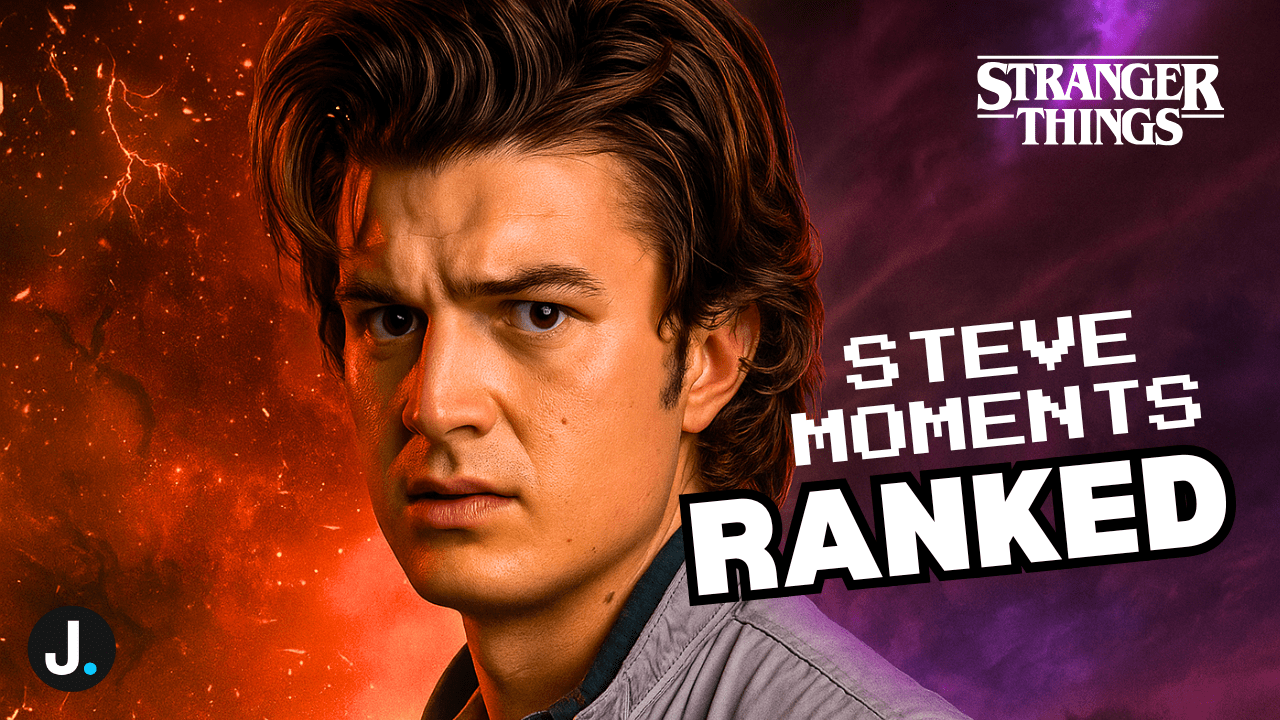
When viewers first meet Jim Hopper in Stranger Things, he appears as the archetypal small-town police chief: gruff, sardonic, and with a taste for bourbon. But beneath that exterior lies a history scarred by trauma. Hawkins, Indiana, might look idyllic with its 1980s suburban charm, but Hopper carries invisible wounds.
The inciting moment of Hopper’s deep involvement in Hawkins’ extraordinary events occurs with Joyce Byers’ frantic report of her son Will’s disappearance. This complaint draws Hopper into a labyrinth of government secrets and supernatural threats. He uncovers that Hawkins National Laboratory has inadvertently torn a rift into an alternate dimension—the Upside Down. The sheer scale of the danger transforms Hopper from a local enforcer of law into the town’s frontline defender against forces he barely understands.
Hopper’s bond with Eleven evolves from duty to deep care. Initially reluctant and rough around the edges, he gradually embraces a paternal role, taking her into his cabin to shield her from the lab’s dangers. His protectiveness is both heartwarming and tense, reflecting his unresolved grief over the loss of his daughter, Sara. The series does a masterful job showing how Hopper’s haunted past informs his every action: his brusque manner, impulsive heroics, and occasional stubbornness are all layered with the fear of losing someone he loves again.
It’s this nuanced portrayal that turns Hopper into more than a cop in a small town. He becomes the emotional anchor of Stranger Things, embodying the idea that personal pain and courage can coexist, creating a character both relatable and heroic.
Hopper’s narrative arc takes an intense turn in Season 3. While investigating a Soviet operation beneath the Starcourt Mall, he and his allies face life-threatening circumstances. The season culminates in Hopper being captured and transported to a Russian prison camp, where he is presumed dead by Hawkins. This unexpected twist elevates the stakes dramatically.
Inside the prison, Hopper confronts both physical and emotional torment. He befriends Dmitri Antonov, a fellow prisoner, which injects moments of humanity and hope into an otherwise bleak scenario. These interactions illuminate Hopper’s enduring resilience and ability to form connections even under dire conditions. Forced to reckon with the lingering trauma of his past, including memories of his deceased daughter and Vietnam experiences, Hopper emerges profoundly changed. His resolve to survive and protect those he loves becomes sharper, more defined, and emotionally richer.
The genius of Hopper’s storyline lies in balancing his external struggles with internal growth. Audiences witness a man shaped by grief and hardship, who nonetheless refuses to surrender to despair. His captivity underscores the series’ larger themes of courage in adversity and the lengths one will go to preserve family and community. It’s a storyline that’s harrowing, heroic, and profoundly human, making Hopper’s eventual return to Hawkins a triumphant and deeply satisfying moment for fans.
As the series heads toward the release of Stranger Things 5, Hopper’s journey continues to resonate. His relationship with Joyce Byers blossoms into romance, revealing a side of him previously hidden beneath stoicism and grief. This intimacy enriches the narrative, showing that even amidst chaos and supernatural terror, Hopper’s capacity for love, vulnerability, and connection remains intact.
Hopper’s role as a father figure to Eleven remains central, emphasising themes of chosen family and sacrifice. His oft-repeated advice, “Leave the door open three inches,” carries symbolic weight: it’s a reminder that even in the darkest moments, there is room for hope, trust, and new beginnings. This simple instruction encapsulates Hopper’s philosophy—an optimism forged from suffering, a caution borne from love.
Fans have watched Hopper evolve through immense trials, from gruff authority figure to heroic, loving, and emotionally complex man. His narrative weaves together bravery, grief, romance, and paternal care, creating a multi-layered character who embodies the heart of Hawkins. With the Upside Down looming once more, Hopper’s continued presence promises not only thrilling confrontations with supernatural threats but also the emotional depth that makes Stranger Things a cultural phenomenon.
As viewers eagerly await the final season, Jim Hopper remains a character defined by resilience and heart. His story reminds us that in a world of monsters, conspiracies, and alternate dimensions, it is the human spirit—capable of love, sacrifice, and hope—that endures. Hopper’s journey, from haunted past to heroic present, ensures that when the door is left ajar, the light of courage, redemption, and family will always shine through.