Stranger Things has grown from a popular Netflix series into a major cultural phenomenon. Its mix of 1980s nostalgia, supernatural thrills, and coming-of-age storytelling created a shared viewing experience, making streaming feel communal. Fans responded with anticipation when Maya Hawke, who plays Robin Buckley, described Season 5 as “basically eight movies” during a June 27, 2025, appearance on the Podcrushed podcast. She explained that the episodes are unusually long, suggesting a level of cinematic scale that surpasses previous seasons.
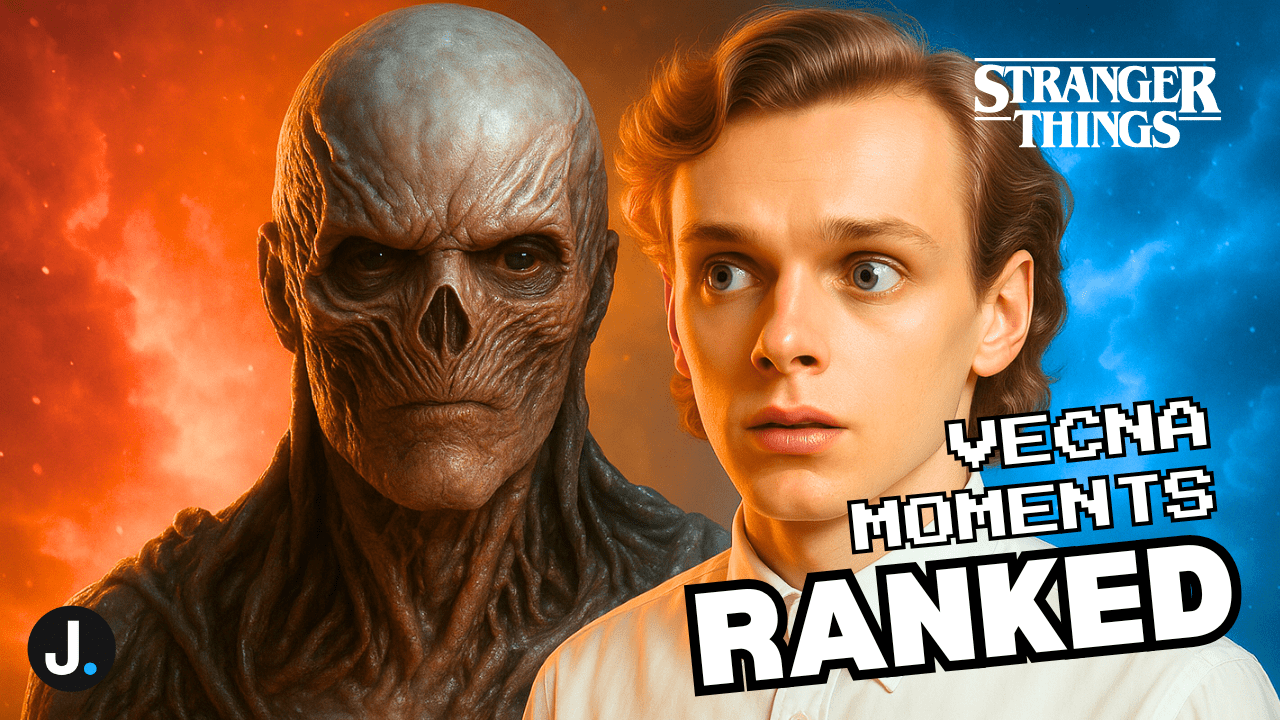
This approach is consistent with the Duffer Brothers’ style of storytelling, which treats Hawkins, Indiana, as a cinematic universe. Each season has expanded both the narrative and emotional stakes, from the Demogorgon and Mind Flayer to Vecna and the growing mythology of the Upside Down. Structuring Season 5 as a series of feature-length installments allows the creators to deliver high-stakes action while maintaining character-driven storytelling.
Season 4 already pushed boundaries, with the finale “The Piggyback” running two hours and twenty minutes. The Duffers have compared Season 5’s scale to Return of the King, signaling a final chapter that aims to conclude major arcs with emotional and narrative weight. For Maya Hawke, who joined the series in Season 3, the scale represents both a challenge and an opportunity. Her character, Robin, has grown from comic relief to a central figure, and this season will likely place her and other characters in their most intense and emotional situations yet.
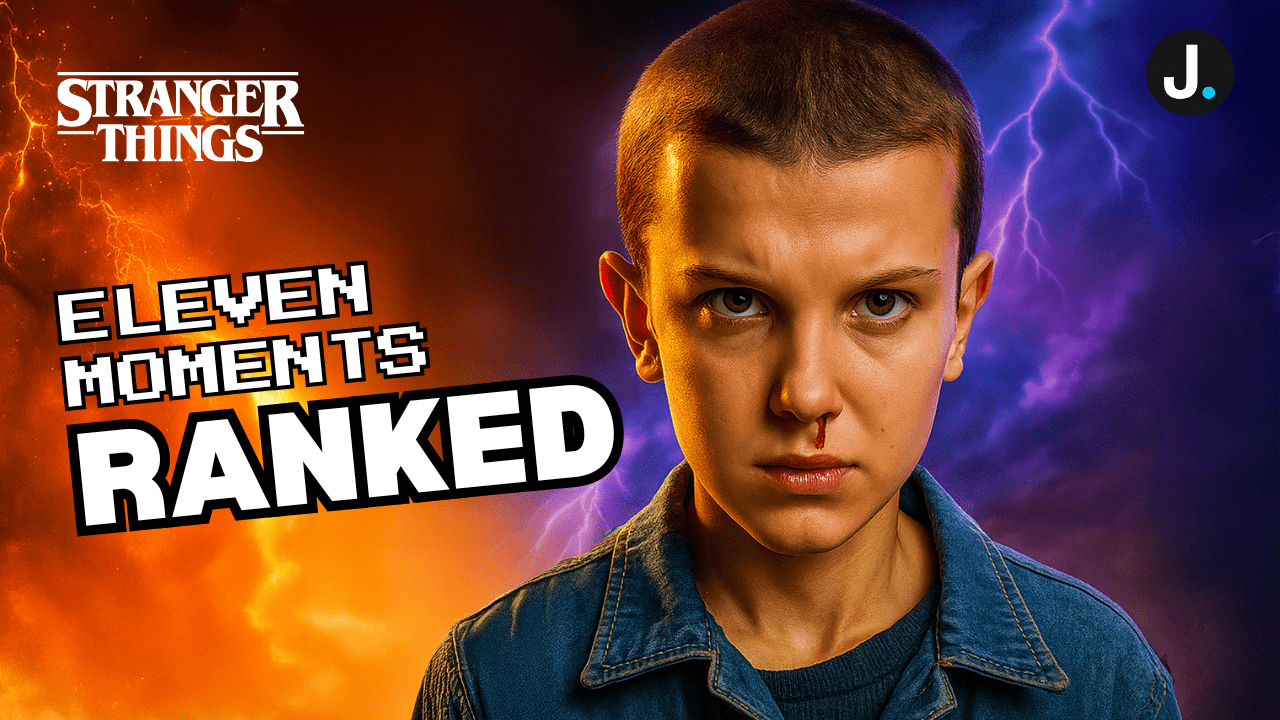
The final season will address long-running storylines, including the mysteries of Hawkins Lab, the fate of Eleven, and the ongoing threat of the Upside Down. Production reportedly treats each episode as a self-contained film with rising tension, resolution, and emotional payoffs. This method allows the series to deliver complex storytelling while giving fans the cinematic experience that Hawke described.
Stranger Things has consistently integrated thematic and stylistic homages, with each season reflecting different influences: Season 1 drew on Spielbergian adventure, Season 2 on Aliens, Season 3 on Cold War action, and Season 4 on horror classics like Nightmare on Elm Street and Carrie. Season 5 is expected to combine these elements, blending large-scale supernatural threats with character-driven storytelling reminiscent of the series’ early seasons.
Production has reportedly emphasized cinematic presentation, with wide-format cinematography and extensive visual effects. The score, composed by Kyle Dixon and Michael Stein, is also expected to be expanded, combining orchestral elements with signature synth sounds. Rumors suggest large-scale set pieces and ensemble action sequences, giving the finale the scope of multiple interconnected films.
The final season also promises heightened emotional stakes. The cast has indicated that scripts are darker, with higher risks for the characters, while maintaining the emotional depth and heart that fans associate with the show. Maya Hawke has hinted that Season 5 will be emotionally impactful, with moments designed to resonate with viewers who have followed the characters since 2016.
For fans, the description of “eight movies” emphasizes that Season 5 will be a comprehensive conclusion, providing closure for both character arcs and overarching storylines. It reflects the Duffer Brothers’ commitment to crafting a finale that honors the series’ legacy, blending nostalgia, action, and emotional resonance.
As the premiere approaches in November 2025, anticipation is high. The season is expected to answer lingering questions about the Upside Down, resolve character arcs, and provide a satisfying conclusion to nearly a decade of storytelling. Hawke’s comments have set expectations for a season that is both ambitious in scale and carefully structured for narrative and emotional payoff.
Stranger Things 5 is positioned to serve as a culmination of the series’ cultural impact, combining cinematic scope with serialized storytelling. Its approach reflects the evolution of television production, where high-quality streaming series can deliver experiences comparable to feature films. For audiences, it represents the final opportunity to engage with the characters and world of Hawkins, Indiana, before the series concludes.