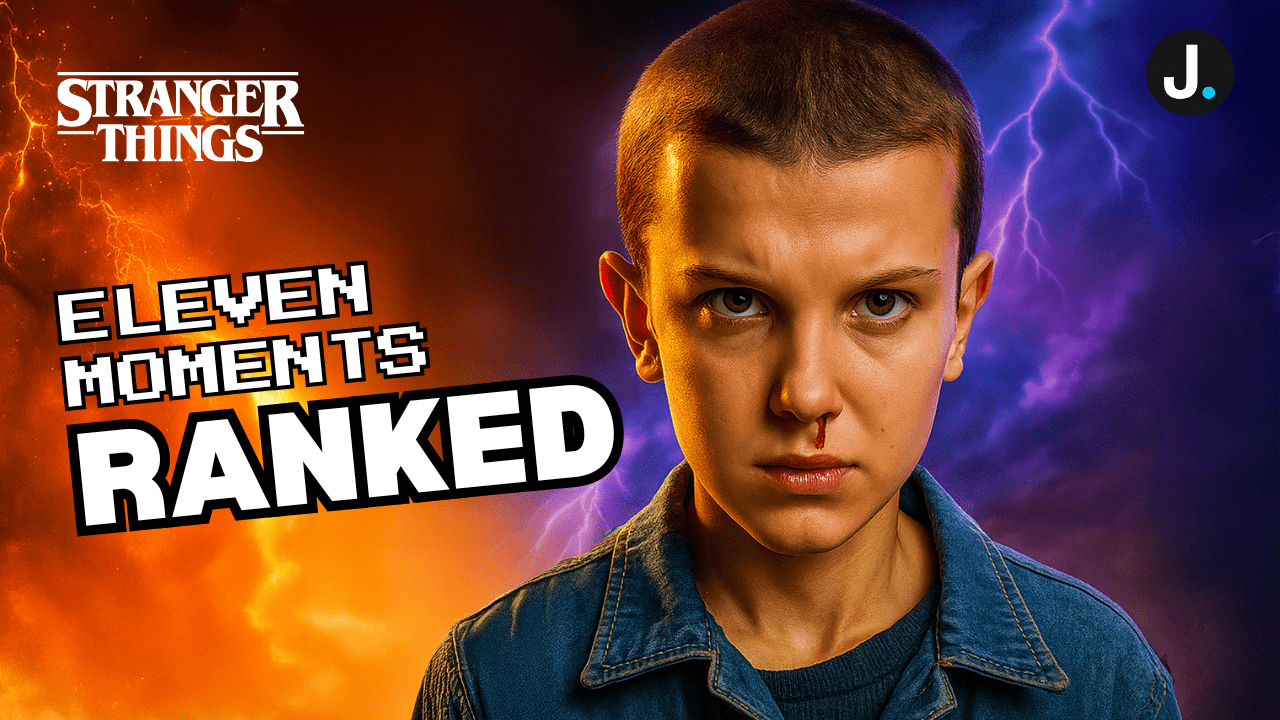
When casting Eleven for Stranger Things, the Duffer Brothers knew they needed someone extraordinary—someone who could inhabit a character that was at once fragile, angry, and heroic. Enter Millie Bobby Brown, an unknown 11-year-old whose audition would leave the room stunned.
Carmen, the casting director, recalls the unforgettable moment: “That clip is very memorable because we had had her do the scenes prior and we could tell that she could cry but she hadn't quite done it. The Duffers just asked if we could have her try again and see how emotional she could get with it and obviously she got very emotional. And it was quite shocking that someone that young could do that.”
The room reportedly went silent. Here was a young girl who could cry on cue, convey pain, confusion, and fear—all while navigating dialogue that hinted at powers she would later wield in the Upside Down. Brown’s ability to channel raw emotion into a performance that felt utterly authentic cemented her place in television history before she even stepped on set.
It wasn’t merely about being convincing on screen; it was about embodying a character who had lived through trauma, isolation, and identity questions far beyond her years. That moment of emotional honesty during the audition revealed a depth that transcended age, proving that Eleven was destined to be more than just another sci-fi heroine.
The magic of Eleven isn’t in her powers—it’s in her heart. Brown’s portrayal ensured that audiences connected with her vulnerability as much as with her supernatural abilities. She became a character that could inspire fear, empathy, and hope simultaneously.
Eleven’s journey is both external and internal. From the sterile walls of Hawkins Lab to the bustling streets of Hawkins, she fights literal monsters and the metaphorical ones within herself. The demons she faces—the Mind Flayer, Vecna, the haunting memories of her past—mirror the universal challenges of growing up, making her story relatable even beyond the sci-fi trappings.
Millie Bobby Brown’s performance captures this beautifully. One scene can see her trembling in fear, and the next, unleashing a display of telekinetic power that flips vans and hurls demogorgons across rooms. Her emotional range allows viewers to feel every moment as if they are alongside her—her loss, her joy, her rage, and her love.
Casting Brown for Eleven highlights the importance of aligning actor and character in ways that feel organic. Telekinesis might grab headlines, but it is the heartbreak, bravery, and self-discovery threaded through her performance that makes Eleven unforgettable.
As Stranger Things 5 looms on the horizon, it’s worth reflecting on why Eleven remains a cultural icon. Millie Bobby Brown’s casting story reminds us that emotion is the ultimate superpower. In a world of blockbuster spectacles and CGI monsters, audiences crave authenticity. They crave characters who feel real, whose pain, joy, and courage resonate across screens and generations.
Brown’s audition exemplifies this principle. By prioritizing emotional depth over technical ability or prior fame, the Duffer Brothers ensured that Eleven would carry the show’s heart. This approach reverberates beyond Stranger Things, serving as a reminder to creators that casting is an artistic, not merely logistical, decision.
Her performance also reflects a broader trend in storytelling, where young actors are entrusted with complex emotional arcs, rather than serving as background for adult-driven narratives. Eleven’s evolution—from a scared, caged child to a resilient, empowered hero—demonstrates the transformative power of giving young performers meaningful, challenging roles.
With the fifth and final season approaching, audiences will once again witness the culmination of Eleven’s journey. Brown’s portrayal ensures that viewers will remain invested in every terrifying, heartfelt, and triumphal moment. The legacy of her casting is clear: the ability to feel deeply, convey truth, and make audiences care is a talent that outshines any superpower.