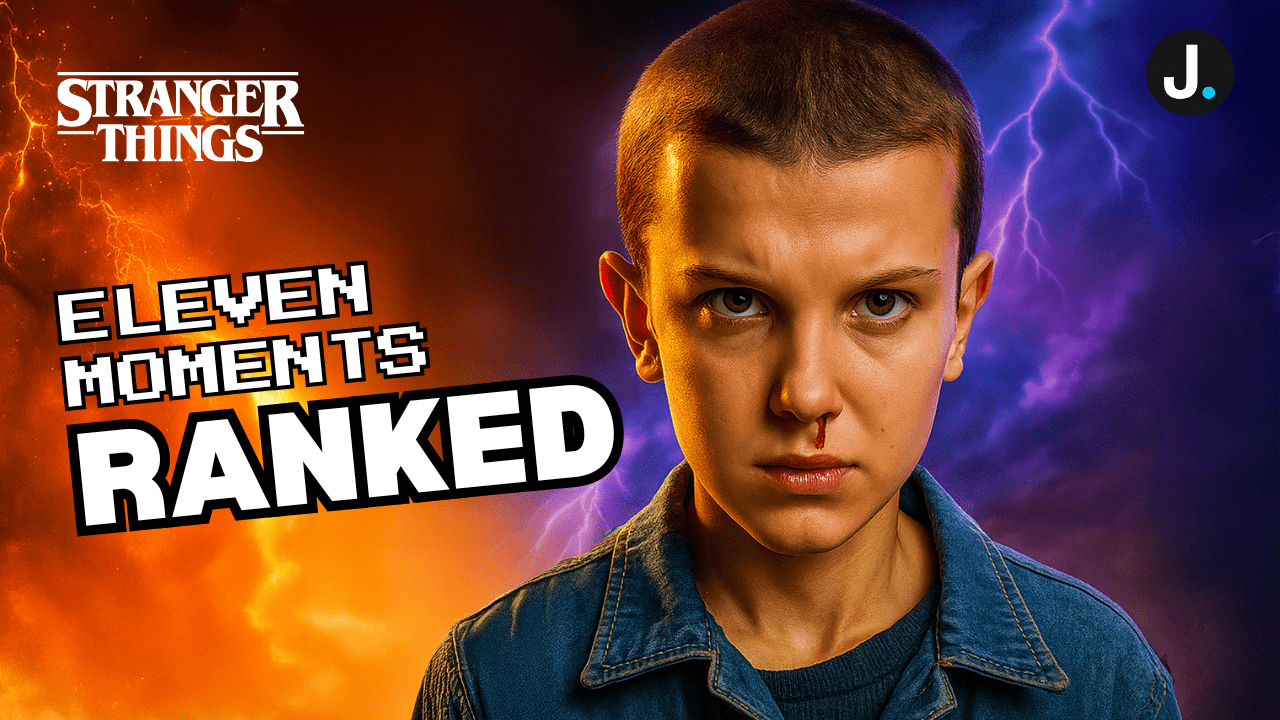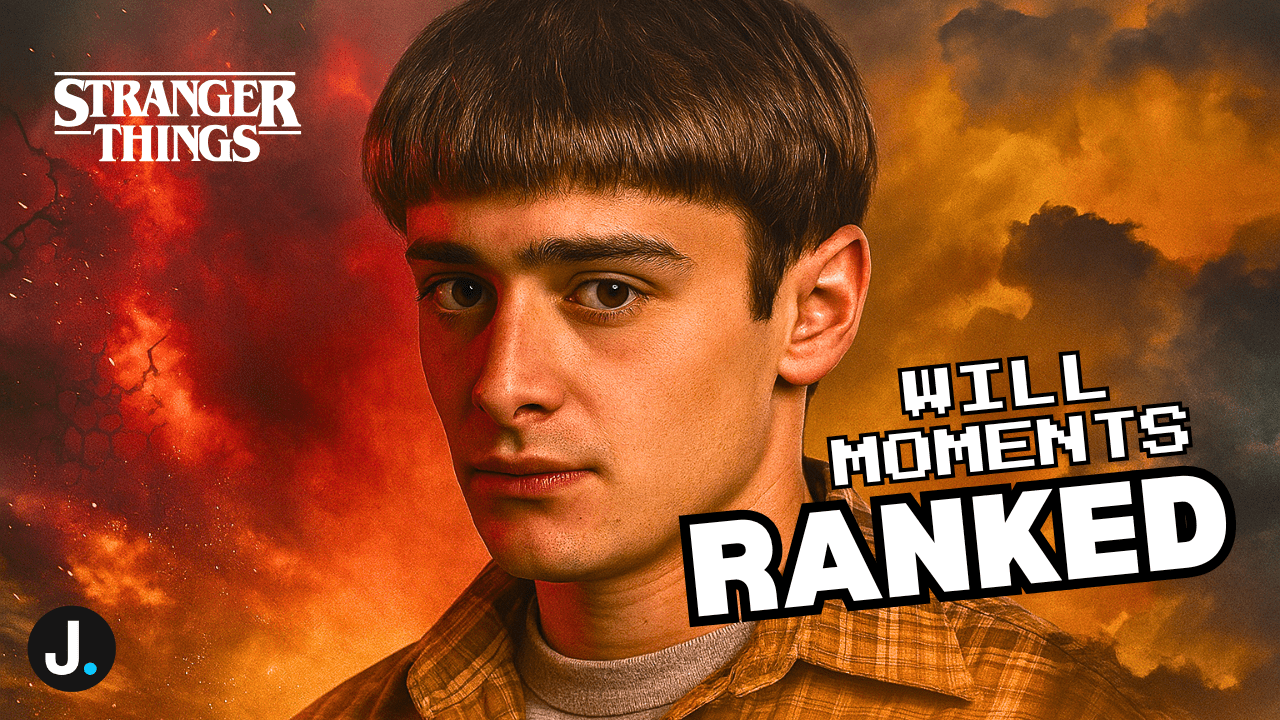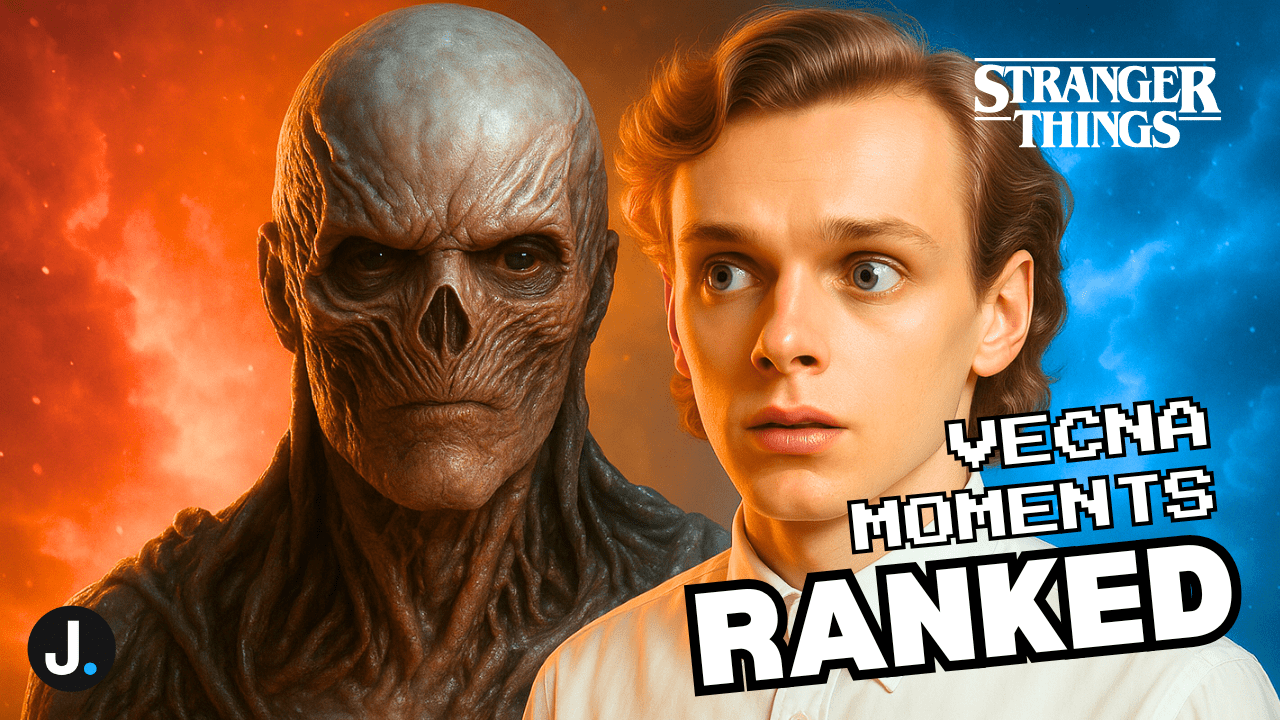
For nearly a decade, Stranger Things has been Netflix’s crown jewel. The series catapulted the platform into the cultural spotlight, combining 1980s nostalgia, supernatural thrills, and deeply relatable character arcs that kept viewers hooked season after season. From Hawkins’ shadowy streets to the horrors of the Upside Down, the show has dominated social media conversations, inspired merchandise, themed events, and even Dungeons & Dragons campaigns, cementing itself as an indispensable part of Netflix’s identity.
Yet, with Matt Duffer and Ross Duffer signing an exclusive deal with Paramount, Netflix faces the challenge of maintaining its relevance in a content landscape that rewards constant innovation. The platform has long relied on bingeable hits, releasing entire seasons at once, but the model has limitations. Shows like Wednesday and Bridgerton have experienced rapid peaks in popularity before quickly fading from conversation. Had Stranger Things adopted a weekly release format, the sustained buzz might have further entrenched its dominance, a lesson that now looms over Netflix’s strategic planning.
The Duffer Brothers’ departure is more than the loss of two creators; it represents the exit of a creative force capable of delivering high-stakes drama, nostalgia-infused storytelling, and emotionally resonant character arcs. Hawkins, Indiana, may live on in reruns, but the question Netflix must confront is whether it can produce the next generation of cultural phenomena without the visionaries who made Stranger Things a benchmark for streaming excellence.
The streaming landscape has grown exponentially competitive, and Netflix’s predicament mirrors HBO’s post-David Benioff and D.B. Weiss era. Without a clear successor series capable of capturing global attention, the platform risks a creative vacuum that could affect subscriber retention. Upcoming projects like the adaptation of 3 Body Problem showcase ambition but lack the pre-existing emotional attachment that Stranger Things cultivated over nearly a decade.
The stakes are especially high because the Duffer Brothers’ final season of Stranger Things will act as both a narrative and brand capstone. Fans are invested in the conclusion of Hawkins’ story, and the success of this finale could reinforce Netflix’s brand resilience, even as the creators prepare to pivot toward Paramount. Conversely, any perceived missteps could amplify concerns about Netflix’s ability to sustain a post-Stranger Things era of compelling content.
Paramount, on the other hand, stands to gain immensely. The platform has enjoyed hits like Yellowstone and Star Trek: Strange New Worlds, but the addition of the Duffer Brothers injects a creative powerhouse capable of generating globally relevant content. Their expertise in horror, suspense, and adolescent drama could revitalize legacy franchises such as Scream or Hellraiser, giving Paramount a new narrative edge in the ongoing streaming wars. The move represents a strategic win for Paramount while forcing Netflix to reckon with a sudden loss of creative star power.
Even as they shift to Paramount, the Duffer Brothers retain significant involvement with Netflix through executive producing roles on upcoming series like Something Very Bad is Going to Happen and The Boroughs, slated for 2026. They are also guiding spin-offs in the Stranger Things universe, including the animated series Stranger Things: Tales from ’85. This dual presence ensures that while the Duffers transition, their influence on the platform and the franchise remains tangible.
The final season of Stranger Things will therefore be a critical bridge between Netflix’s past successes and the uncertainties of its future content strategy. Should the finale deliver the emotional depth, suspense, and nostalgia audiences expect, it could energize both the Duffer Brothers’ Paramount projects and Netflix’s ability to leverage legacy franchises in new ways.
Netflix now faces a strategic imperative: to innovate rapidly, identify or cultivate new creative voices, and retain the massive audience that the Duffer Brothers helped build. The post-Stranger Things era will test the platform’s adaptability, highlighting the broader challenge of sustaining cultural relevance in an era of increasingly diverse and globally competitive streaming options.
Hawkins may be saying goodbye to the Duffer Brothers, but Netflix’s story is far from over. What unfolds next will determine whether the platform can maintain its position as a powerhouse in streaming entertainment or whether the absence of its signature creators leaves a gap that competitors are poised to fill. Fans and industry watchers alike are left to wonder if Netflix will rise to the challenge or drift in the shadows left by the Upside Down of its own making.