When it comes to sequels, Hollywood history is rife with cautionary tales. Many follow-ups struggle to live up to the expectations set by their predecessors, often failing to capture the magic that made the original so successful. The Duffer Brothers, Matt and Ross, were acutely aware of this challenge when preparing for Stranger Things 2. In an interview, Matt Duffer explained, “We felt that the second season should be treated more like a sequel rather than a continuation.” This subtle but important distinction set the tone for the second season of Stranger Things: they were not simply recreating the magic of Season 1, but expanding the world, deepening the characters, and exploring new narrative ground in Hawkins, Indiana.
Despite their confidence, Netflix was initially hesitant. Sequels often carry a certain baggage, and the streaming giant worried that Stranger Things 2 might be seen as a derivative cash-in, capitalizing on the success of the first season. However, the Duffers pressed forward with their vision. They believed that a focus on character development, fresh storylines, and darker supernatural elements would ensure the season’s uniqueness and avoid the pitfalls many sequels fall into. The result was a second season that both honored the original and introduced new, compelling threats, giving fans a reason to stay invested without feeling like they were simply rewatching Season 1 with minor changes.
The title “Stranger Things 2” itself is an example of the careful thought the Duffers put into every decision. In the era of instant fan speculation and social media buzz, titles carry a lot of weight. They shape audience expectations, spark curiosity, and, in many cases, become the subject of intense online analysis. Matt Duffer explained that the episode titles for Stranger Things 2 were crafted to provide “some hint of where we were going in season two without giving anything away.” With the show’s fanbase being particularly sharp-eyed and analytical, this posed a unique challenge for the Duffers. As Matt put it, “People are smart on the fucking internet,” acknowledging the army of fans who would dissect every detail for clues about the plot.
Given the intensity of online scrutiny, the Duffers had to strike a delicate balance: teasing just enough to excite viewers while ensuring they didn’t spoil major plot points. To manage this, some episode titles were adjusted before the official release to prevent any unintentional reveals. When the finalized titles for the first six episodes were unveiled in early October 2017, they ignited an immediate wave of fan discussions. Each title became a mini puzzle, offering hints about Hawkins' evolving mysteries—from the fallout of the Upside Down to new personal struggles within the Byers family. The titles weren’t just labels; they were part of the storytelling fabric, encouraging viewers to actively engage with the narrative and try to piece together what would come next.
This careful orchestration of details—such as the titling of episodes—highlights a broader trend in modern television: creators must engage with audiences in an active, dynamic way. The Duffer Brothers clearly understood that in the digital age, audiences are no longer passive viewers; they are active participants in the storytelling process. This sense of engagement is central to Stranger Things, and the Duffers’ decisions demonstrate their respect for the intelligence of their audience. Every title, every teaser, and every reveal is a calculated move that invites fans to dive deeper into the story.
By strategically releasing episode titles, the Duffers didn’t just preserve the element of surprise—they created an additional layer of suspense and interaction. Fans were encouraged to interpret the titles, hypothesize about character arcs, and make predictions about the larger narrative. In this way, the show’s creators used the internet’s culture of speculation to their advantage, building anticipation and fostering a sense of community among viewers.
This interaction between creators and fans also reflects a shift in how television is consumed. In the age of streaming platforms like Netflix, shows are watched at a different pace, often in a binge-watching format. The relationship between the show and its audience has evolved; viewers now interact with series in real-time, dissecting plot developments, character motivations, and small narrative choices as soon as episodes are released. This cultural shift has turned the consumption of television into a participatory experience—one where fans are as much a part of the narrative process as the creators themselves.
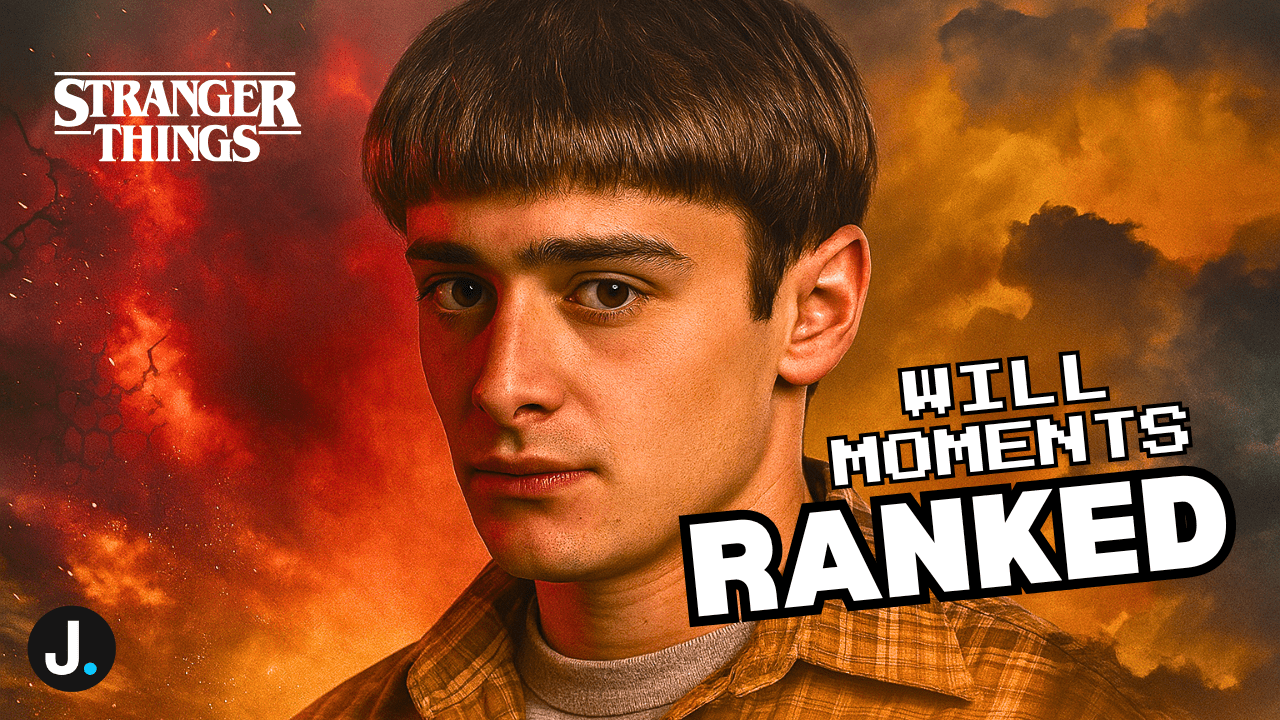
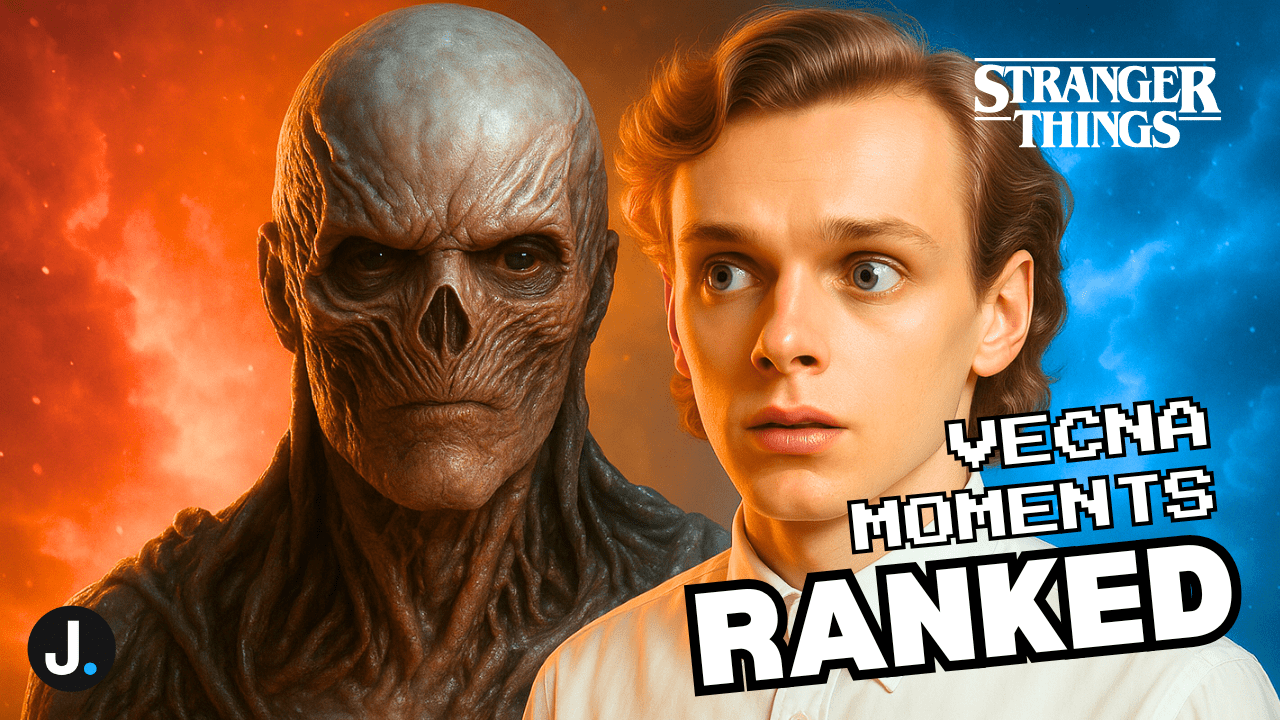
This phenomenon is evident in how Stranger Things 2 blended nostalgia with fresh innovation. The second season offered new supernatural threats, such as the Shadow Monster and the Mind Flayer, while delving deeper into the emotional journeys of the characters, particularly Will Byers. Will’s post-trauma struggle after his time in the Upside Down became a major theme of the season, setting a darker tone than the first. The emergence of new characters like Max Mayfield (Sadie Sink) and Kali Prasad (Linnea Berthelsen) expanded the world of Hawkins and further enriched the ensemble cast. At the same time, the show continued to explore the friendships, loyalties, and tensions that defined Season 1.
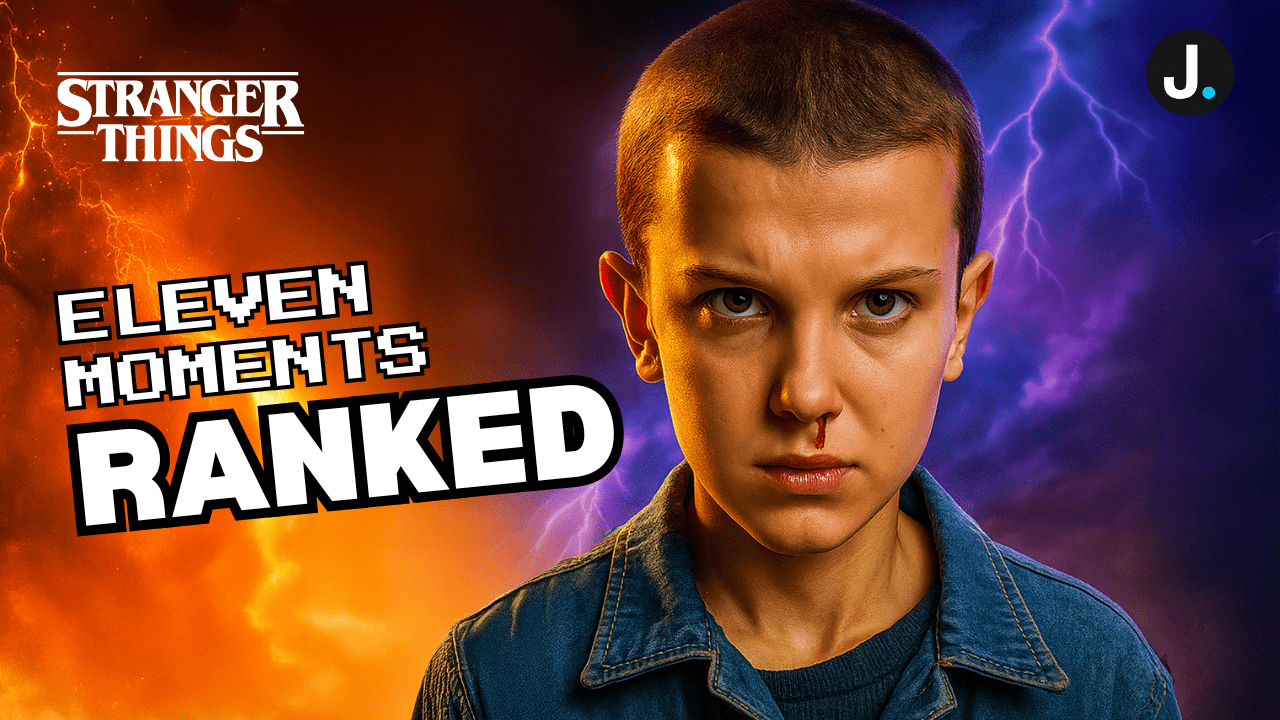
Despite the challenges and hesitations surrounding a sequel, Stranger Things 2 found its own identity by both acknowledging the impact of Season 1 and taking bold narrative risks. The season’s storylines were more complex, its stakes higher, and its characters more mature. Will’s trauma, Eleven’s struggle to find her place in the world, and the growing threat of the Upside Down all contributed to a richer, more emotionally layered season. This careful balance of nostalgia and innovation made Stranger Things 2 not just a sequel, but a worthy follow-up that could stand on its own.
In the era of fandoms and internet discourse, the Duffer Brothers' decision to approach Stranger Things 2 as a sequel rather than a mere continuation became a statement about the creative potential of follow-ups. They were not content to simply repeat the formula of the first season but sought to deepen the story, develop the characters, and introduce new supernatural elements that would keep fans engaged and excited.
This careful balancing act between artistic intent and corporate concerns is not unique to Stranger Things; it’s part of a broader trend in how shows are created and marketed in the modern television landscape. The Duffer Brothers not only had to deliver a compelling story but also had to navigate Netflix’s concerns about sequel fatigue and audience expectations. Their success in doing so shows the value of treating a sequel with respect—by expanding the universe, deepening the emotional core, and allowing the characters to grow in unexpected ways.
As Stranger Things heads toward its fifth and final season, the legacy of Stranger Things 2 remains significant. The season marked a turning point in the series, setting the stage for the larger conflicts to come while also solidifying the emotional stakes for its characters. The careful construction of the season—from the way it was marketed to the way it was structured—demonstrates how modern television can engage audiences in new ways. Stranger Things is no longer just a supernatural thriller; it’s an evolving cultural phenomenon, a participatory experience where fans are as integral to the story as the creators themselves.
The legacy of Stranger Things 2 offers a blueprint for how storytelling, marketing, and fan engagement can converge in modern television. By treating the second season as a true sequel rather than a continuation, the Duffers navigated the pressures of sequels and emerged with a season that both satisfied audiences and expanded the possibilities of what a follow-up could achieve. This careful orchestration of narrative, marketing, and engagement continues to define Stranger Things, and as we approach the final season, it’s clear that the series has set a new standard for what television can be in the age of streaming and social media.