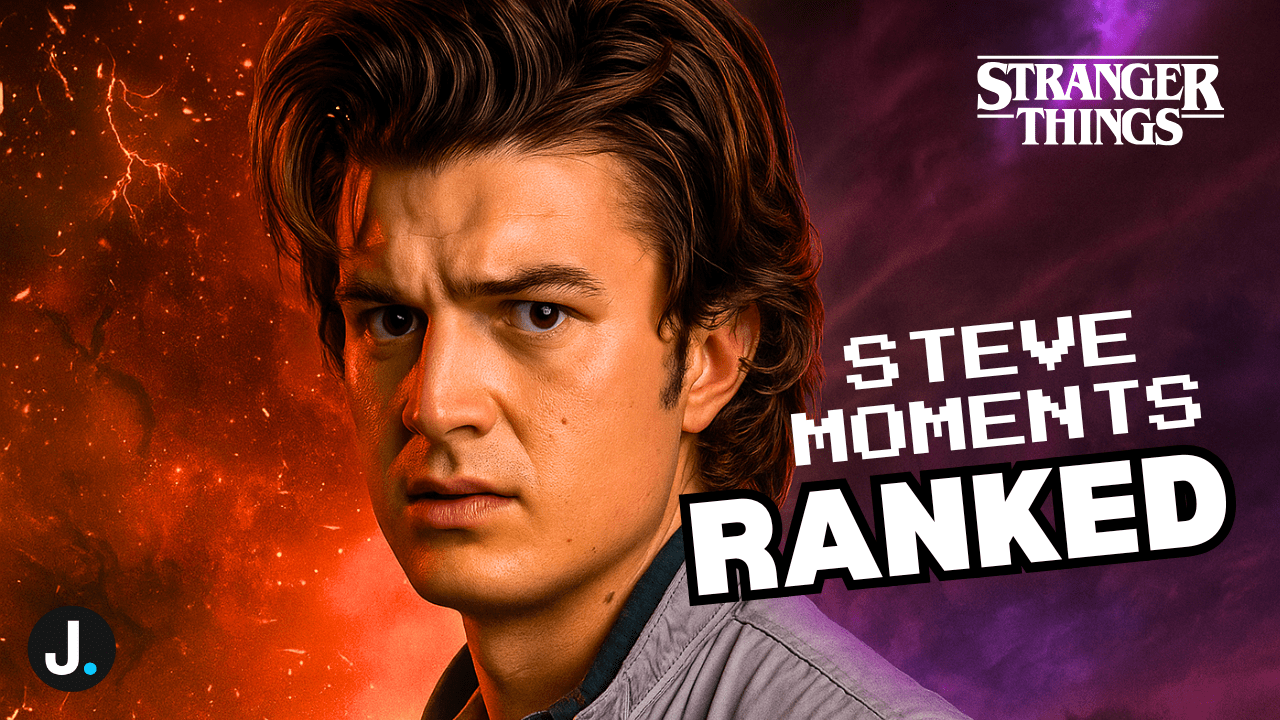
Netflix's CEO Reed Hastings Says It "Would Be Dumb Not To" Renew Stranger Things

Stranger Things

Netflix’s iconic series Stranger Things owes much of its longevity to early executive support and creative decisions. CEO Reed Hastings famously said it “would be dumb not to” renew the show, which premiered in 2016 and quickly became a cultural phenomenon. The Duffer Brothers’ choice to keep the original cast and maintain the 1980s setting deepened audience connection, while strategic release timing amplified hype and engagement. As Season 5 approaches in November 2025, the show demonstrates the evolving relationship between creators, streaming platforms, and fans, highlighting how Stranger Things has become a cornerstone of modern television storytelling.

Why Reed Hastings Calls Renewing Stranger Things a Must!

Key Information:
    • Stranger Things became a cultural powerhouse, and Netflix CEO Reed Hastings confirmed early on that renewing it “would be dumb not to,” setting the stage for its ongoing success.
    • The Duffer Brothers’ decision to keep the original cast and stay in the 1980s created a deep emotional bond with audiences, influencing the show’s trajectory through Seasons 2–5.
    • Strategic release and renewal timing, combined with the creators’ flexibility, showcase how modern streaming and fan engagement can shape iconic series like Stranger Things.

Renew Stranger Things Season Update

Netflix’s iconic series Stranger Things owes much of its longevity to early executive support and creative decisions. CEO Reed Hastings famously said it “would be dumb not to” renew the show, which premiered in 2016 and quickly became a cultural phenomenon. The Duffer Brothers’ choice to keep the original cast and maintain the 1980s setting deepened audience connection, while strategic release timing amplified hype and engagement. As Season 5 approaches in November 2025, the show demonstrates the evolving relationship between creators, streaming platforms, and fans, highlighting how Stranger Things has become a cornerstone of modern television storytelling.

When Stranger Things premiered on Netflix in July 2016, it was marketed as a nostalgic supernatural thriller set in the 1980s, but few predicted the cultural impact it would have. The Duffer Brothers, Matt and Ross, originally envisioned the series as a standalone miniseries or possible anthology, with ideas for different decades and storylines. One early concept even involved a second season set in the early 1990s, featuring older versions of the characters returning to Hawkins.

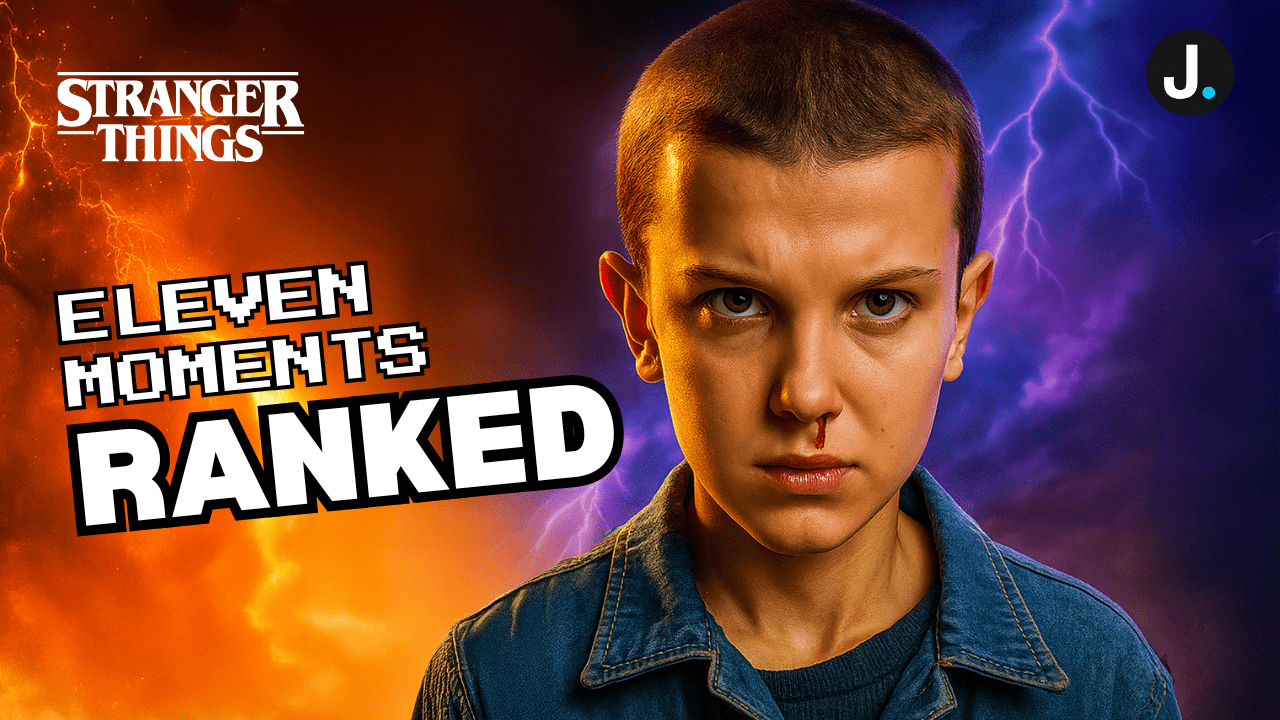
The success of the first season changed these plans. Audiences responded strongly to the young cast, including Millie Bobby Brown as Eleven and Finn Wolfhard as Mike, and the Duffers chose to keep the original characters together in Season 2, set in 1984. This maintained the emotional investment viewers had already developed. The series balanced supernatural threats like the Upside Down and the Demogorgon with human stories—friendship, first love, loyalty, and the challenges of adolescence—which made the fantastical elements more impactful.

Netflix quickly recognized the show’s potential. CEO Reed Hastings commented in early August 2016 that it “would be dumb not to” renew the series. By the end of July, the Duffers had already drafted a Season 2 outline, and the official renewal was announced on August 31, just over a month after the premiere. Matt Duffer later said the timing was intended to build anticipation and excitement.

By keeping the cast and the 1980s setting, Netflix avoided fragmenting the story and allowed audiences to remain invested in familiar characters while introducing new threats. The collaboration between executives and creators illustrates how streaming platforms can combine real-time audience data with creative vision to sustain a series’ success.

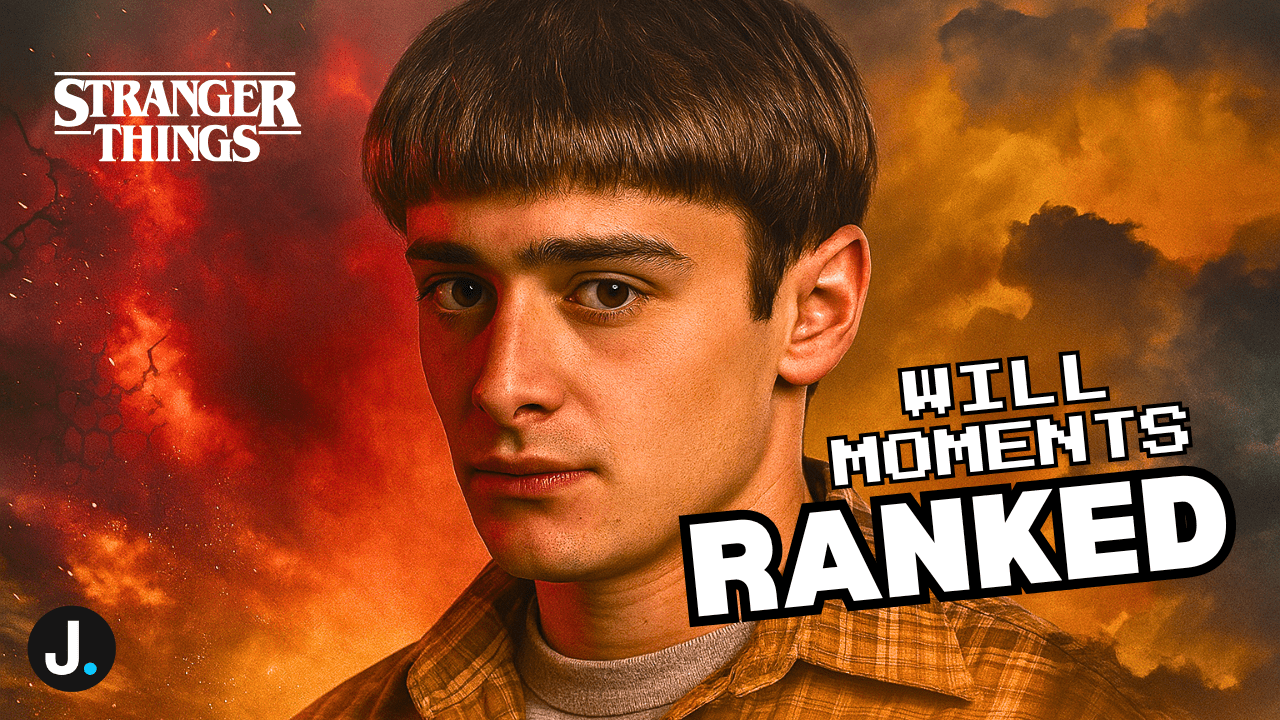
The early decisions shaped the show’s long-term continuity. Maintaining the original cast, focusing on character-driven storytelling, and staying in the 1980s helped establish a consistent narrative foundation. These choices allowed Stranger Things to explore Eleven’s growing powers, Will Byers’ personal journey, and the escalating dangers of the Upside Down, while keeping fans engaged across multiple seasons.

Stranger Things also set a standard for how streaming shows manage audience expectations. Fans expect emotional consistency and thoughtful progression of storylines. The show’s balance of nostalgia and fresh storytelling demonstrates the value of respecting viewers’ investment while still expanding the narrative.

As Season 5 approaches in November 2025, it promises to conclude nearly a decade of storytelling. The final season will continue to develop established characters, deepen the mythology of the Upside Down, and deliver suspenseful, emotionally resonant narratives. The decisions made early in the show’s development, including Netflix’s prompt renewal and the commitment to character-driven plots, have ensured that Stranger Things remains a cultural landmark and a model of successful modern streaming.
Continue Reading about Renew Stranger Things Season Update:


More about Renew Stranger Things Season Update

Since its debut in July 2016, the overwhelming critical and viewership success of Stranger Things sparked significant speculation about a potential second season. Initially, the Duffer Brothers considered the series as a standalone miniseries or an anthology, contemplating a sequel set in the early 1990s that would feature an older version of the familiar characters alongside new faces drawn back to Hawkins amidst supernatural occurrences. However, following the first season's success, they recognized that the popularity of the show's characters, particularly the children, was pivotal, leading them to set the second season in 1984 and focus on the original cast. By late July, the Duffer Brothers had outlined a plan for the new season, and Netflix CEO Reed Hastings stated in early August that the company "would be dumb not to" renew the show. On August 31, 2016, Netflix officially announced the renewal of Stranger Things for a second season, comprising nine episodes and slated for a 2017 release. Interestingly, the Duffer Brothers revealed that the renewal had occurred before the first season's premiere; yet, they chose to delay the announcement by over a month. Matt Duffer noted that this strategy "actually ended up working because it had built up to this fever pitch," suggesting that Netflix intentionally aimed to amplify audience anticipation. Such foresight has proven beneficial, as the series continues to captivate fans with its thrilling blend of nostalgia and suspense.

What do you think would happen in the next season of Stranger Things if they decided not to follow the usual storyline?

We’d love to hear your perspective! Share your opinions in the comments below.

Stranger Things