From its very first season, Stranger Things has excelled at blending supernatural horror with the messy, often heartbreaking realities of adolescence. One of the most compelling nods comes from John Hughes’ 1986 teen classic Pretty In Pink. The film centers on Andie, a working-class girl caught between her loyal yet awkward friend Duckie and the affluent, charming Blane. This narrative of teenage love, friendship, and social pressures resonates in Hawkins, Indiana, where the Duffer Brothers populate the show with a diverse ensemble of adolescents grappling with friendship, loyalty, and first love, all while monsters and otherworldly dangers lurk just beyond the veil.
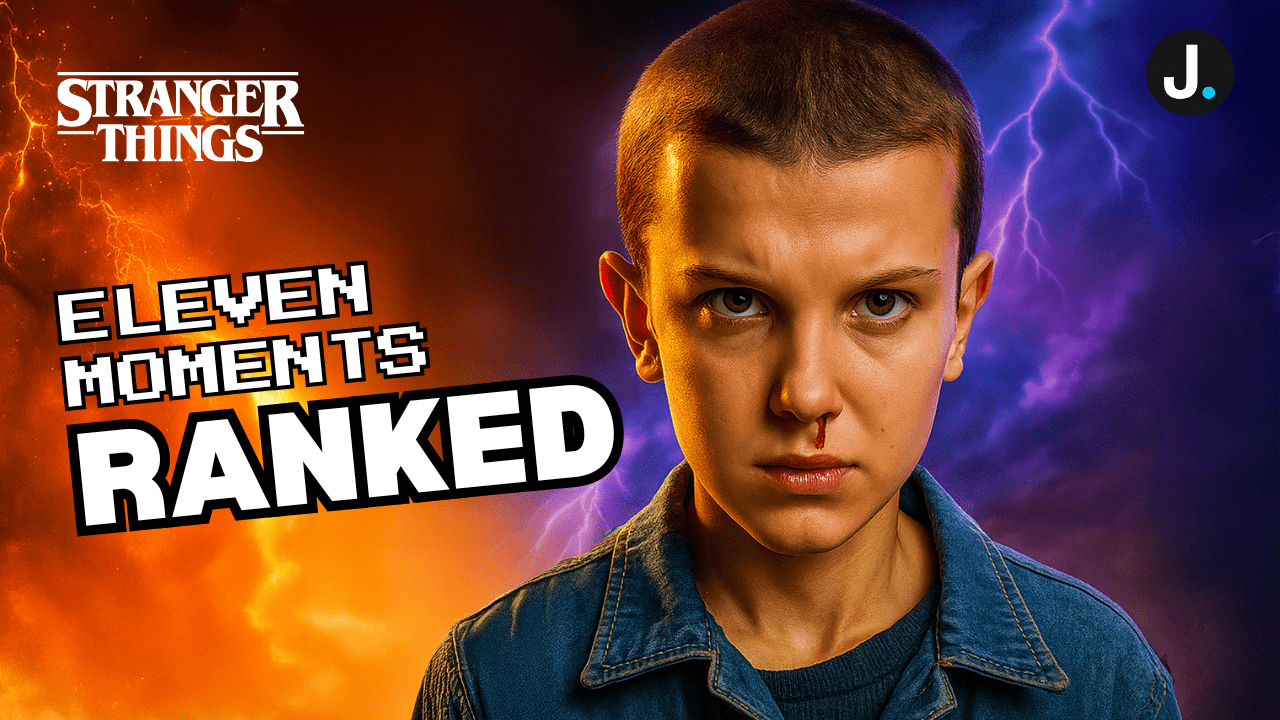
The connection isn’t superficial. Just as Hughes explores the complexities of belonging and romantic tension, Stranger Things places its teenage characters in scenarios where personal growth intersects with social expectation. Eleven’s journey is particularly emblematic of this dynamic. She navigates her newfound powers, her outsider status, and the attention she receives from Mike and the group, reflecting Andie’s dilemmas with Blane and Duckie. Both stories examine the fragile intersection between personal identity and social acceptance, exploring how teens negotiate love, loyalty, and their own self-worth.
Even the minor social conflicts echo Hughes’ work. The teasing, the awkward glances across hallways, the mismatched pairings of friendship and romantic interest—all of these elements draw a direct line from the cinematic shorthand of Pretty In Pink to the everyday experiences of Hawkins’ teens. The Duffer Brothers have stated that they wanted Stranger Things to feel authentic to its period, not just in set design or fashion but in emotional resonance, and these Hughesian nods achieve exactly that.
Fans can easily draw parallels between characters in Pretty In Pink and Stranger Things. Andie’s steadfast friend Duckie mirrors characters like Dustin or even Lucas, who often support Eleven and others without seeking the spotlight. Similarly, Blane’s wealth, charm, and social status find echoes in Mike and some of Hawkins’ more affluent characters. The interplay between social hierarchies and emotional loyalty underscores the stakes in both narratives, giving audiences familiar reference points while still maintaining unique storylines.
Even stylistic choices reinforce this homage. Andie’s iconic pink wardrobe is reflected in color palettes and costumes worn by Hawkins’ teens, subtly linking the visual cues of the 1980s to the storytelling in Stranger Things. Molly Ringwald’s iconic expressions of teenage vulnerability are mirrored in Eleven’s reactions to both friendship and romantic entanglements. These references operate on multiple levels: fans of the film recognize the nods, casual viewers feel the emotional truth, and newcomers experience universal teen themes without missing context.
The Duffer Brothers also echo Hughes’ emphasis on friendship as a guiding force. Duckie’s unwavering loyalty to Andie, despite being overshadowed by Blane, mirrors Dustin’s protective instincts toward his friends. This recurring motif reinforces the idea that meaningful connections are forged through empathy and shared adversity, not social status or superficial charm. By doing so, Stranger Things bridges the gap between horror-driven storytelling and heartwarming coming-of-age drama, creating a richer, more layered universe.
No teen drama, and certainly no John Hughes film, is complete without antagonists who complicate social dynamics. In Pretty In Pink, Blane’s haughty friends mock Andie and Duckie, highlighting societal pressures and the often painful quest for acceptance. Stranger Things mirrors this through various characters who challenge, ridicule, or misunderstand the group of protagonists, creating tension that is both relatable and narratively compelling.
These moments are pivotal because they heighten the stakes, making victories—whether social, emotional, or supernatural—all the more satisfying. The Duffer Brothers cleverly balance these elements, ensuring that antagonism doesn’t overshadow the camaraderie or growth of the central characters. Instead, it reinforces themes of resilience and self-discovery, central to both Hughes’ teen narratives and Stranger Things.
Fans have noted that these social dynamics, while subtle, create a layer of authenticity that deepens engagement. The show’s depiction of loyalty, miscommunication, and the struggle for acceptance resonates precisely because it mirrors the relatable experiences dramatized by Hughes decades earlier. By threading these elements into the supernatural storyline, the series elevates teen drama into a multidimensional narrative experience, where every emotional beat is as important as the next monster encounter.
Stranger Things 5 promises to continue this tradition, weaving John Hughes-inspired character development into an increasingly perilous and suspenseful storyline. From the trials of love and friendship to the pressures of belonging and the threat of interdimensional horrors, the Duffer Brothers maintain a delicate balance between homage and innovation. As the final season approaches, fans can expect these Easter eggs to be more than nostalgic nods; they will enhance character arcs, amplify tension, and celebrate the universal, timeless chaos of adolescence.
Whether it’s Eleven grappling with the attention she receives from Mike, Dustin playing the role of loyal sidekick, or Lucas navigating his own social challenges, Stranger Things captures the essence of teenage life in a way that is both entertaining and emotionally resonant. These parallels to Pretty In Pink highlight the care with which the Duffer Brothers craft their universe, ensuring that every reference has purpose and adds depth to the story.
By blending high-stakes supernatural thrills with the nuanced emotional landscapes reminiscent of John Hughes’ work, Stranger Things continues to distinguish itself as a series that is as heartfelt as it is suspenseful. The homage to Pretty In Pink is a testament to the enduring relevance of 1980s teen cinema, reminding fans that, even in a world of monsters and alternate dimensions, the struggles of growing up remain universal.
The subtle nods, visual parallels, and character dynamics make Stranger Things 5 not only a continuation of a beloved sci-fi saga but also a celebration of cinematic history. The Duffer Brothers’ ability to marry nostalgia with original storytelling ensures that audiences will experience both the thrill of the Upside Down and the relatable pangs of adolescence in tandem.
In this sense, the homage to John Hughes becomes more than an Easter egg; it’s a storytelling strategy that elevates Stranger Things beyond genre constraints, offering fans a multi-layered experience that is funny, heartwarming, terrifying, and emotionally resonant all at once.
As Hawkins prepares for the final season, the echoes of Pretty In Pink remind us why the show’s teenage characters feel so real: they navigate the eternal conflicts of friendship, love, and social acceptance with courage, humor, and heart. Fans can anticipate that Stranger Things 5 will honor these traditions while pushing the characters to new emotional and narrative heights, cementing the Duffer Brothers’ place as masterful storytellers of both nostalgia and innovation.