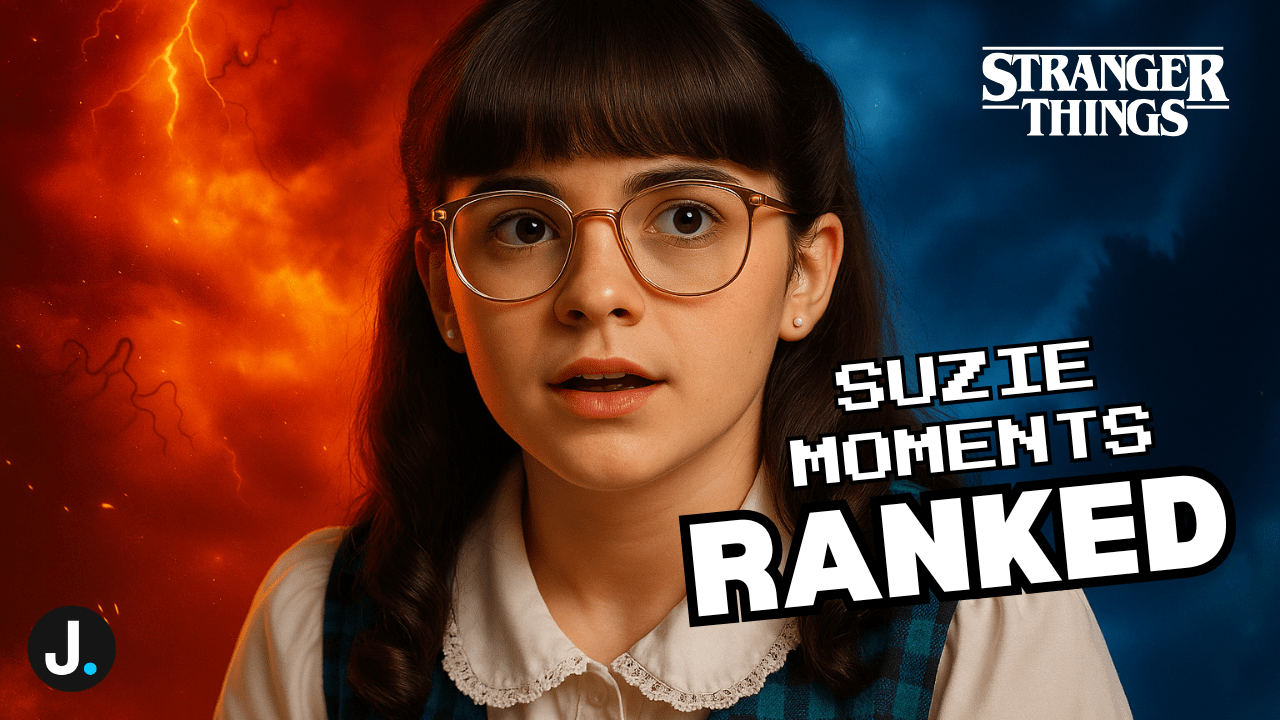
When fans think of Dustin’s tender serenade to Suzie in the Season 3 finale, it’s hard to imagine the alternative. Originally, the Duffer Brothers plotted for Gaten Matarazzo, who portrays Dustin, to sing The Lord of the Rings’ “The Ent and the Entwife.” It was a creative nod to high fantasy and an opportunity for Dustin’s Broadway-honed vocals to shine. According to production notes, the idea was to introduce Suzie through a quirky yet magical musical interlude, giving the show an extra dash of 1980s-inspired whimsy.
However, timing and rights issues forced a creative pivot. Amazon Studios was in the middle of producing its own Lord of the Rings series, and the Duffers wisely decided to avoid any potential clash or confusion. Enter Curtis Gwinn, a writer on the show, who suggested “The NeverEnding Story,” the 1984 fantasy classic that had already cemented itself in the collective imagination of the era. This song perfectly matched the whimsical, slightly surreal tone of Hawkins while remaining steeped in nostalgic resonance.
The final scene has Dustin at his synthesiser, nervously calling for Suzie’s help to crack a critical code. The combination of humor and tension is delicate: a wrong note could have ruined the moment’s charm. Yet, the choice of “The NeverEnding Story” delivered a flawless blend of comedy, drama, and heartfelt performance that elevated the scene into a defining moment of the series.
Fans often recall this as the quintessential Stranger Things marriage of pop culture homage and narrative ingenuity. The choice demonstrates the Duffer Brothers’ attentiveness to tonal coherence, ensuring that nostalgia never feels forced but rather integrated organically into the storyline.
One of the most enchanting aspects of the duet lies in the performance itself. On set, Gaten Matarazzo and Gabriella Pizzolo, who plays Suzie, were positioned near each other, which allowed their voices to naturally harmonise without backing tracks. This proximity brought an authenticity to the duet, highlighting both performers’ musical talents.
However, the narrative required that Dustin and Suzie appear separated by space and circumstance during the call. To create this effect, the production team blended their vocals with subtle autotune, giving the illusion that the two were performing synchronously while physically apart. The final product was seamless, preserving the intimacy and charm of the scene while satisfying the technical demands of storytelling.
The impact of this musical moment extended beyond Dustin and Suzie. Caleb McLaughlin and Sadie Sink, playing Lucas and Max, later referenced the song, teasing Dustin in a playful callback that amplified the humor for fans. Both McLaughlin and Sink also possess Broadway experience, lending credibility to these small, off-screen musical nods that further enrich the show’s texture. This intertextuality—characters engaging with narrative artifacts within the diegesis—reinforces the intricate attention to detail that Stranger Things is known for.
It is moments like these that elevate the series above mere homage to the 1980s. Music in Hawkins is never background noise; it is an integral storytelling device that communicates emotion, tension, and humour. The duet with Suzie embodies this philosophy, becoming both a plot mechanism and a cultural reference point that reverberates through the fandom.
“The NeverEnding Story” scene has had a remarkable ripple effect on popular culture and media consumption. Following the episode’s release, the track experienced an extraordinary 800% spike in online searches and streaming requests across platforms like YouTube and Spotify. Limahl, the original singer, enjoyed renewed attention decades after the song’s initial release, illustrating the potent ability of Stranger Things to resurrect forgotten icons of the 1980s.
The song’s inclusion also demonstrates the Duffer Brothers’ awareness of how nostalgia functions in storytelling. By selecting a song already deeply embedded in the collective memory of their audience, they created a moment that feels at once familiar and surprising. The scene taps into shared cultural consciousness, providing the emotional pay-off that makes it linger in viewers’ minds long after the episode ends.
It is also noteworthy how the duet aligns with broader thematic elements of Stranger Things. Dustin’s vulnerability, Suzie’s mysterious charm, and the collaborative problem-solving required to crack the code mirror the show’s recurring motifs of friendship, ingenuity, and loyalty. The song choice amplifies these narrative beats while offering a playful nod to 1980s pop culture—a hallmark of the series’ storytelling style.
Even today, fans continue to celebrate the duet. Cosplayers frequently recreate the scene at conventions, and cover performances by YouTube artists proliferate, underscoring its enduring cultural resonance. The scene encapsulates the series’ skill at blending humour, music, and nostalgia into a unified, memorable moment that contributes to the show’s longevity and fan devotion.
The Dustin-Suzie duet is more than a fun musical interlude; it exemplifies Stranger Things’ approach to layered storytelling. The decision to pivot from The Lord of the Rings to The NeverEnding Story demonstrates the Duffers’ agility in production and their sensitivity to broader media landscapes. It highlights the interplay between contemporary constraints, such as Amazon’s Tolkien series, and the creative freedom necessary to craft moments that resonate with audiences.
Additionally, the duet underscores how music functions as an emotional and narrative tool. By embedding an 1980s classic in a moment of suspense and humour, the series leverages the power of music to create a shared cultural experience. The scene’s technical execution—harmonising voices, autotuning, and aligning musical timing with narrative beats—reveals the meticulous craftsmanship that characterises the show.
For fans awaiting Stranger Things 5 this November, revisiting this duet serves as a reminder of the series’ ability to surprise and delight. It encourages viewers to consider the small details—song choices, performance nuances, and character interactions—that contribute to the richness of Hawkins’ world. Every creative decision, even one as seemingly minor as a musical selection, carries weight and potential for cultural impact.
Ultimately, the Dustin-Suzie moment embodies what has made Stranger Things a phenomenon: the blending of nostalgia, humour, emotion, and suspense into a cohesive, immersive experience. It proves that even brief scenes can leave lasting impressions when executed with thoughtfulness, creativity, and respect for the audience’s intelligence.
Looking back, the duet exemplifies how Stranger Things operates at the intersection of nostalgia and innovation. It draws upon familiar 1980s cultural touchstones, repurposing them in ways that are humorous, dramatic, and emotionally resonant. The careful attention to musicality, narrative timing, and fandom engagement ensures that such moments feel organic rather than gimmicky.
The scene’s legacy also speaks to the series’ ability to influence broader pop culture. The resurgence of “The NeverEnding Story” illustrates the tangible impact of nostalgia-driven storytelling on contemporary media consumption. Songs, products, and stylistic cues from the 1980s gain renewed attention, creating a cyclical relationship between the show and the cultural zeitgeist it celebrates.
As the countdown to Season 5 continues, reflections on scenes like the Dustin-Suzie duet remind audiences why Stranger Things resonates across generations. The show’s attention to detail, creative flexibility, and appreciation of fandom combine to craft experiences that feel timeless. It’s a testament to the Duffer Brothers’ vision and the performers’ talents, a moment of whimsy and heart that will linger in the collective memory of fans worldwide.
Whether it was the original plan to invoke Tolkien or the final choice of Limahl’s 1984 classic, the result is a defining moment that captures the essence of Hawkins. It is an exemplar of how Stranger Things honours the past while innovating for the present, a delicate balance that has earned it a permanent place in modern pop culture.