Philip Glass’ Opera Akhnaten Features In Stranger Things In Season 4

Stranger Things

Stranger Things Season 4 elevated its storytelling by integrating the minimalist opera of Philip Glass, specifically Akhnaten, into pivotal scenes. This choice enhances emotional depth, highlights character development, and bridges the gap between high art and accessible pop culture. By featuring iconic compositions like “Window of Appearances” and “Akhenaten and Nefertiti,” the series invites fans to experience a more immersive narrative, blending the surreal world of the Upside Down with sophisticated musical storytelling. Exploring themes of identity, transformation, and rebellion, Glass’s music complements the show’s iconic 1980s nostalgia and its exploration of adolescence, fear, and heroism.

Unlocking the Secret Impact of Philip Glass in Stranger Things!

Key Information:
    • Season 4 of Stranger Things incorporated Philip Glass’s opera Akhnaten, particularly in Episode 7, enriching the narrative with high-art musical themes.
    • The haunting, minimalist compositions of Glass—like “Window of Appearances” and “Akhenaten and Nefertiti”—mirror Eleven’s journey and Vecna’s complex backstory.
    • The show exemplifies a seamless fusion of classical music and pop culture, inviting fans to explore deeper themes of identity, transformation, and heroism.

Stranger Things Season 4 Philip Glass

Stranger Things Season 4 elevated its storytelling by integrating the minimalist opera of Philip Glass, specifically Akhnaten, into pivotal scenes. This choice enhances emotional depth, highlights character development, and bridges the gap between high art and accessible pop culture. By featuring iconic compositions like “Window of Appearances” and “Akhenaten and Nefertiti,” the series invites fans to experience a more immersive narrative, blending the surreal world of the Upside Down with sophisticated musical storytelling. Exploring themes of identity, transformation, and rebellion, Glass’s music complements the show’s iconic 1980s nostalgia and its exploration of adolescence, fear, and heroism.

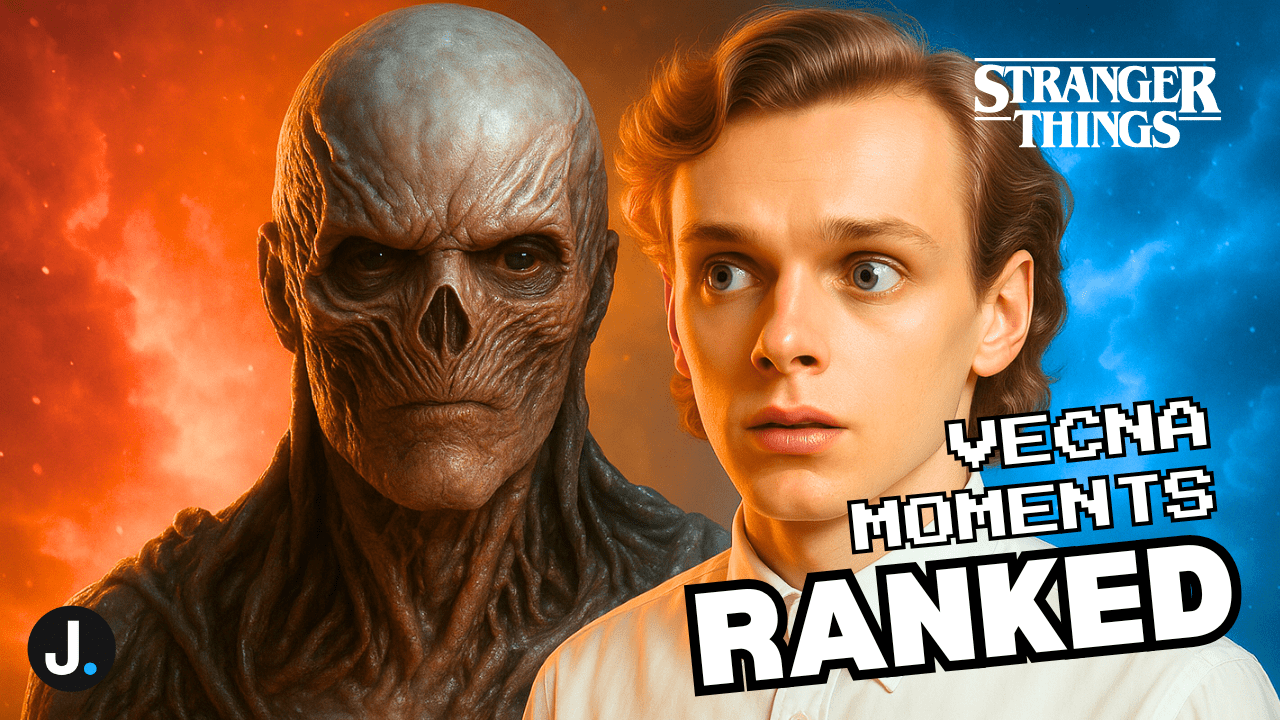
tranger Things Season 4, Episode 7, “The Massacre at Hawkins Lab,” demonstrates the show’s careful layering of narrative and audio through its use of Philip Glass’s opera Akhnaten. The music accompanies Vecna’s recounting of his childhood, providing a minimalist, hypnotic backdrop that reflects the character’s trauma and obsessive patterns. Pieces like “Window of Appearances” and selections from Glass’s Koyaanisqatsi score create a soundscape that mirrors both Vecna’s and Eleven’s emotional journeys.

The repetitive structure of Glass’s compositions enhances tension, suggesting inevitability and entrapment similar to the Upside Down. Rather than using a conventional suspense score, the show leverages the abstract qualities of Glass’s music to immerse viewers in the characters’ psychological states. Eleven’s moments of quiet reflection and sudden intensity align with the opera’s cyclical motifs, reinforcing her inner struggles alongside the external threats she faces.

Incorporating Akhnaten also bridges high culture and popular media. The opera, which explores transformation and rebellion through the story of Pharaoh Akhenaten, parallels Hawkins’ narrative: young characters challenging forces larger than themselves, navigating morality, power, and identity. The music adds depth to the storytelling, highlighting thematic connections between character arcs and broader questions of control, isolation, and resistance.

This approach demonstrates how Stranger Things engages viewers on multiple levels. For those familiar with Glass, it rewards recognition of historical and musical references. For new audiences, it introduces avant-garde opera in a context that enhances narrative tension and emotional resonance. The score acts as both atmosphere and narrative device, guiding audience perception and amplifying stakes.

Glass’s compositions align with the series’ visual and thematic style. The hypnotic repetitions reflect the Upside Down’s distorted reality, while the sparse instrumentation emphasizes psychological tension. Vecna’s backstory and Eleven’s confrontation are heightened by the music, creating an almost operatic experience within a streaming series format.

Season 4’s integration of Akhnaten illustrates Stranger Things’ commitment to sophisticated storytelling. Music functions as a character in its own right, shaping mood, foreshadowing events, and providing thematic commentary. It also signals the series’ willingness to blend genres and artistic forms, setting a standard for the final season.

As Season 5 approaches, viewers can expect the show to continue using sound design and music not just for atmosphere, but as a narrative tool that complements the supernatural, emotional, and nostalgic elements central to Hawkins. The Season 4 use of Philip Glass demonstrates the series’ dedication to thoughtful, multi-layered storytelling that rewards close attention while elevating television beyond conventional expectations.
Continue Reading about Stranger Things Season 4 Philip Glass:


More about Stranger Things Season 4 Philip Glass

In season 4, episode 7 of Stranger Things, the emotional weight of Henry’s backstory as he recounts his life to Eleven is significantly enhanced by an evocative musical score that features selections from Philip Glass's celebrated works. The haunting compositions "Window of Appearances" and "Akhenaten and Nefertiti" from the opera Akhnaten, alongside the piece "Prophecies" from Koyaanisqatsi, create a profound atmosphere that underscores the intricacies of Henry's narrative. These soundscapes not only enhance the drama of his revelations but also draw a juxtaposition between his history and Nancy Wheeler’s plight in the house within the Upside Down. The choice of these specific pieces is a testament to the show's adept use of music to amplify storytelling. By weaving together the foreboding tones of Glass's compositions, the episode cultivates an emotional resonance that lingers long after the credits roll. This is yet another example of how Stranger Things successfully intertwines genres, elevating its narrative through a rich tapestry of visual and auditory storytelling, carefully crafted to engage an audience who appreciates the nuances of cinematic artistry.

What do you think about the use of Philip Glass' music in Stranger Things - did it enhance the mood for you, or did it feel out of place?

We’d love to hear your perspective! Share your opinions in the comments below.

Stranger Things