When Stranger Things first flickered onto our screens in 2016, it felt like stepping into a time machine parked in the heart of Hawkins, Indiana. The Duffer Brothers—Matt Duffer and Ross Duffer—wanted every frame of the show to ooze authenticity. They went beyond referencing 1980s pop culture; they recreated it. Every set, every costume, and most importantly, the visual texture of the footage itself, was carefully designed to transport viewers back in time.
To achieve that cinematic throwback, the Duffers went old-school. They scanned and incorporated real film stock from the 1980s and added layers of film grain to the digital footage. The result was an unmistakable aura of nostalgia that didn’t feel forced. “It’s much more about mood and atmosphere and suspense and dread than they are about gore,” the Duffers emphasized in interviews, highlighting their focus on psychological tension rather than jump scares or explicit violence. It’s a subtle but crucial choice: viewers weren’t just being entertained—they were being immersed in a world that looked and felt lived-in.
Amblin Entertainment films like E.T. and The Goonies served as touchstones for tone, pacing, and visual storytelling. This approach gave Stranger Things a dual identity: it was a horror series, but it was also a love letter to the era of Spielbergian adventure and 1980s teen dynamics. Every flashlight beam in the dark, every shadowy corridor of the Byers’ home, felt deliberate, capturing a tension that lingers in the mind long after the episode ends.
Balancing Practical Effects and CGI
One of the defining characteristics of Season 1 was the tangible realism of the supernatural elements. In an era dominated by CGI, the Duffers leaned heavily on practical effects, understanding that something physically present on set interacts differently with actors and cameras than a purely digital creation.
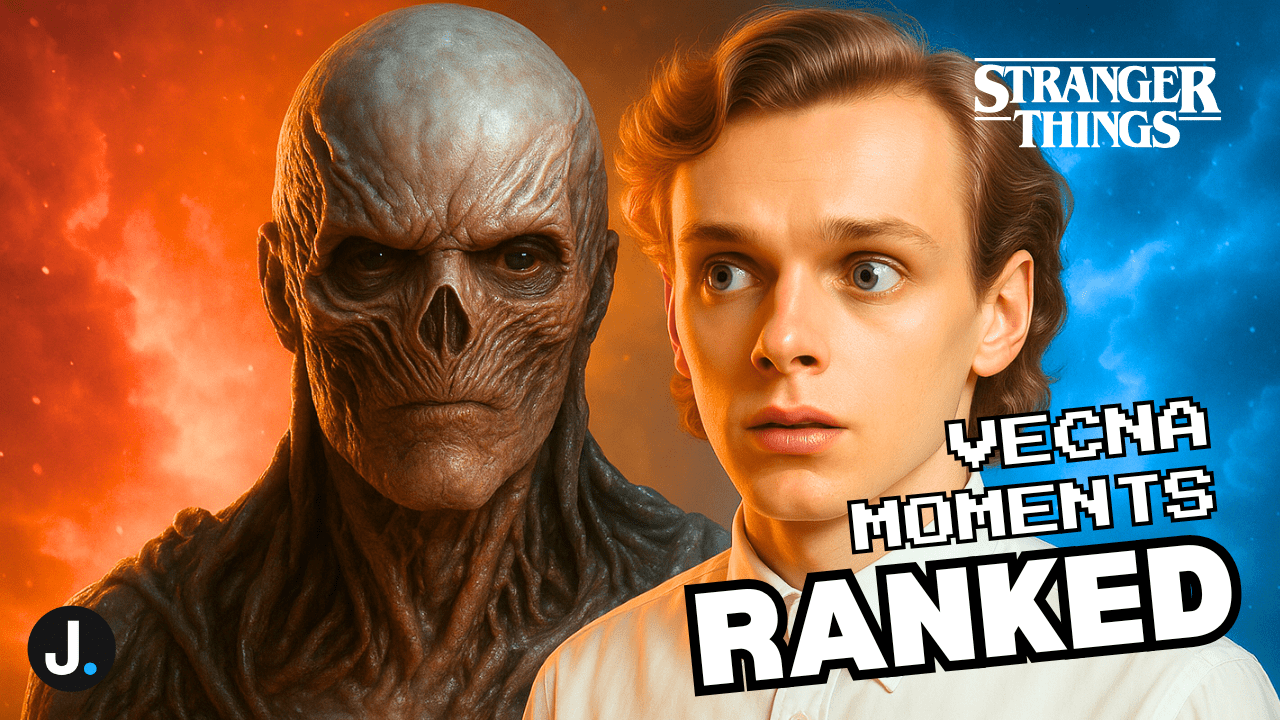
However, the six-month filming timeline posed a significant challenge. The brothers admitted, “The six-month filming time left them little time to plan out and test practical effects rigs for some of the shots.” Creating the Demogorgon, the creature that would haunt Hawkins, involved crafting a complex prop with mechanical components. But some sequences—like the iconic wall-burst scene—demanded digital intervention to achieve the explosive, terrifying impact required.
This hybrid approach became a hallmark of the series. Practical effects created authenticity; actors could interact with something real, which enhanced performance quality. CGI allowed the creators to push the boundaries of what was physically possible. When Eleven first uses her telekinetic powers or when the Demogorgon emerges from the shadows, the blend of digital and practical work is seamless. Fans often remark on how real it feels, which is a testament to the careful balance achieved during post-production.
The urgency of these creative decisions was compounded by the production schedule. Every effect, every layer of film grain, every subtle lighting choice had to be finalized in a highly compressed timeframe. The fact that the series reached completion only a week before release adds a layer of behind-the-scenes drama that matches the on-screen tension.
It’s almost unimaginable today, given the series’ massive success, that Stranger Things was still in post-production a mere seven days before its Netflix debut. In that final week, editors, VFX artists, color graders, and sound designers were all racing to polish the series into the cohesive, suspenseful package that audiences would instantly fall in love with.
This last-minute refinement reflects the level of dedication poured into the project. Every sound cue, every flicker of light, every moment of eerie suspense was carefully calibrated. It was a high-wire act, where any misstep could have compromised the authenticity the Duffers were striving for. But instead of faltering, the series emerged as a phenomenon. Critics praised its pacing, its atmospheric tension, and the interplay between heartfelt character drama and supernatural thrills. Audiences connected deeply with the characters of Mike, Eleven, Dustin, and the rest of the Hawkins gang, partly because the world they inhabited felt tangible, dangerous, and nostalgic.
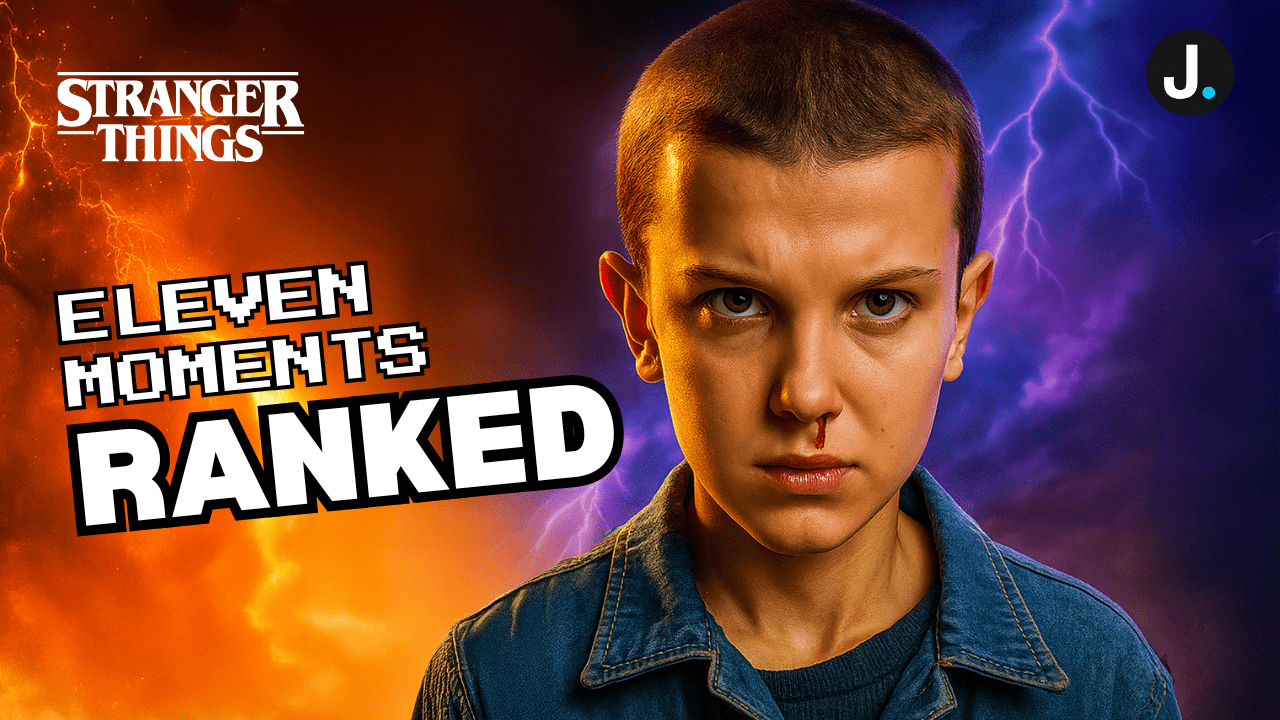
The Duffer Brothers’ insistence on meticulous craftsmanship also influenced casting and performances. Actors had to engage with practical effects in real-time, reacting to tangible props and environments rather than placeholders on a green screen. This translated into performances that were more grounded and emotionally resonant. For example, Millie Bobby Brown’s portrayal of Eleven benefits from having the physical Demogorgon or mechanical rigs present during her scenes, allowing genuine fear and concentration to translate to the screen.
By the time the show premiered, it had already been refined through countless iterations, despite the time crunch. The frantic energy of the final week arguably enhanced the series, creating a tension behind the scenes that mirrors the suspense on-screen. Netflix viewers were unknowingly witnessing a production that had survived a last-minute sprint, and the results were cinematic magic that captivated audiences worldwide.
The near last-minute post-production doesn’t just make for a fun trivia fact; it also underscores why Stranger Things has maintained such cultural impact over nearly a decade. The attention to visual authenticity, the careful blending of practical and digital effects, and the urgent polishing in the final week all contributed to a show that feels handcrafted rather than mass-produced.
Fans have responded to this meticulousness in a big way. From the viral “Justice for Barb” campaigns to the fan theories surrounding the Upside Down, every detail of the first season has been dissected and celebrated. The authenticity of the 1980s aesthetic creates a shared visual language that transcends generations. Younger viewers discover the era through the show, while older audiences appreciate the loving homage to a decade of filmmaking that influenced the Duffers.
The production process itself also highlights a key lesson about television and streaming platforms. Unlike traditional broadcast schedules, Netflix allowed the Duffers the flexibility to deliver a complete, carefully curated vision, even if it meant cutting it close. This approach set the stage for how Stranger Things would continue to evolve in later seasons, building on meticulous attention to tone, nostalgia, and suspense while expanding the supernatural mythology of Hawkins.
Every jump scare, every shadowy corridor, every grainy frame of light was carefully considered—even if it was finalized days before the premiere. That dedication paid off: Stranger Things became one of Netflix’s first major cultural juggernauts, proving that careful craftsmanship, combined with urgency and creativity, can result in a phenomenon that defines streaming television for a generation.
For fans and aspiring creators alike, the story of Season 1’s post-production serves as a lesson in both timing and dedication. The fact that the series was polished and ready just a week before release exemplifies a commitment to quality over convenience. The Duffers were willing to push every team member to the edge to ensure that the first season captured the precise tone they envisioned.
This urgency may have even enhanced the final product. Creativity often thrives under pressure, and the tight schedule forced the team to make decisive, confident choices. It also created a momentum that, in some ways, mirrors the narrative energy of the show itself: a mix of suspense, danger, and exhilaration that keeps audiences on the edge of their seats.
For viewers revisiting the series today, knowing these details adds another layer of appreciation. The careful choices in film texture, practical effects, and editing were not just aesthetic—they were part of a production ecosystem operating at maximum intensity, fueled by passion and dedication to storytelling. Every iconic moment, from Eleven’s first display of telekinesis to the eerie corridors of Hawkins Lab, carries the fingerprints of this intense creative process.
Stranger Things Season 1 serves as a masterclass in how post-production, practical effects, and attention to era-specific detail can elevate a series from entertaining to iconic. With just a week separating final cut from release, the Duffer Brothers, their crew, and their cast delivered a show that resonated deeply with viewers, blending nostalgia, suspense, and heart.
As fans look forward to Stranger Things 5, it’s worth remembering the origins of the series and the extraordinary effort behind its first season. The techniques honed during that frenetic post-production period helped establish a template for immersive storytelling that balances visual authenticity, practical effects, and emotional resonance—a balance that continues to define the series today. The first season’s near-last-minute polish laid the groundwork for everything that followed, proving that sometimes the most unforgettable art emerges when creativity and urgency collide.