If you’ve ever watched Stranger Things and felt your heart sink while cheering for Bob Newby, you’re not alone. Played by Sean Astin, Bob embodies that rare mix of courage, warmth, and humor that makes the show’s supernatural chaos feel grounded. Astin’s casting was an inspired nod to 1980s nostalgia—he carries with him the ghost of Mikey from The Goonies and the loyalty of Samwise Gamgee from The Lord of the Rings. For viewers, seeing him navigate the eerie town of Hawkins while protecting Joyce Byers (played by Winona Ryder) conjures an immediate sense of comfort in the face of horror.
But here’s a secret that adds even more weight to Bob’s story: he almost didn’t get to stick around long enough to become this beloved. According to the Duffer Brothers, the original plan was far grimmer. Bob was intended to “die a lot earlier” in Season 2, which would have left a huge emotional gap in the narrative. Instead of being a fleeting presence, Bob’s extended arc became an emotional anchor, offering both comedy and pathos that made his ultimate sacrifice hit harder than most viewers could have imagined.
Why did the Duffer Brothers change course? Part of it was timing, part of it was storytelling intuition. As the season developed, they recognized that Bob’s character could serve a dual purpose: first, to provide levity and charm in the midst of Hawkins’ escalating chaos, and second, to deepen Joyce Byers’ emotional journey. Joyce, still grappling with the events of Season 1, needed a human connection, someone to lean on and care for her in a world dominated by the Upside Down and government conspiracies.
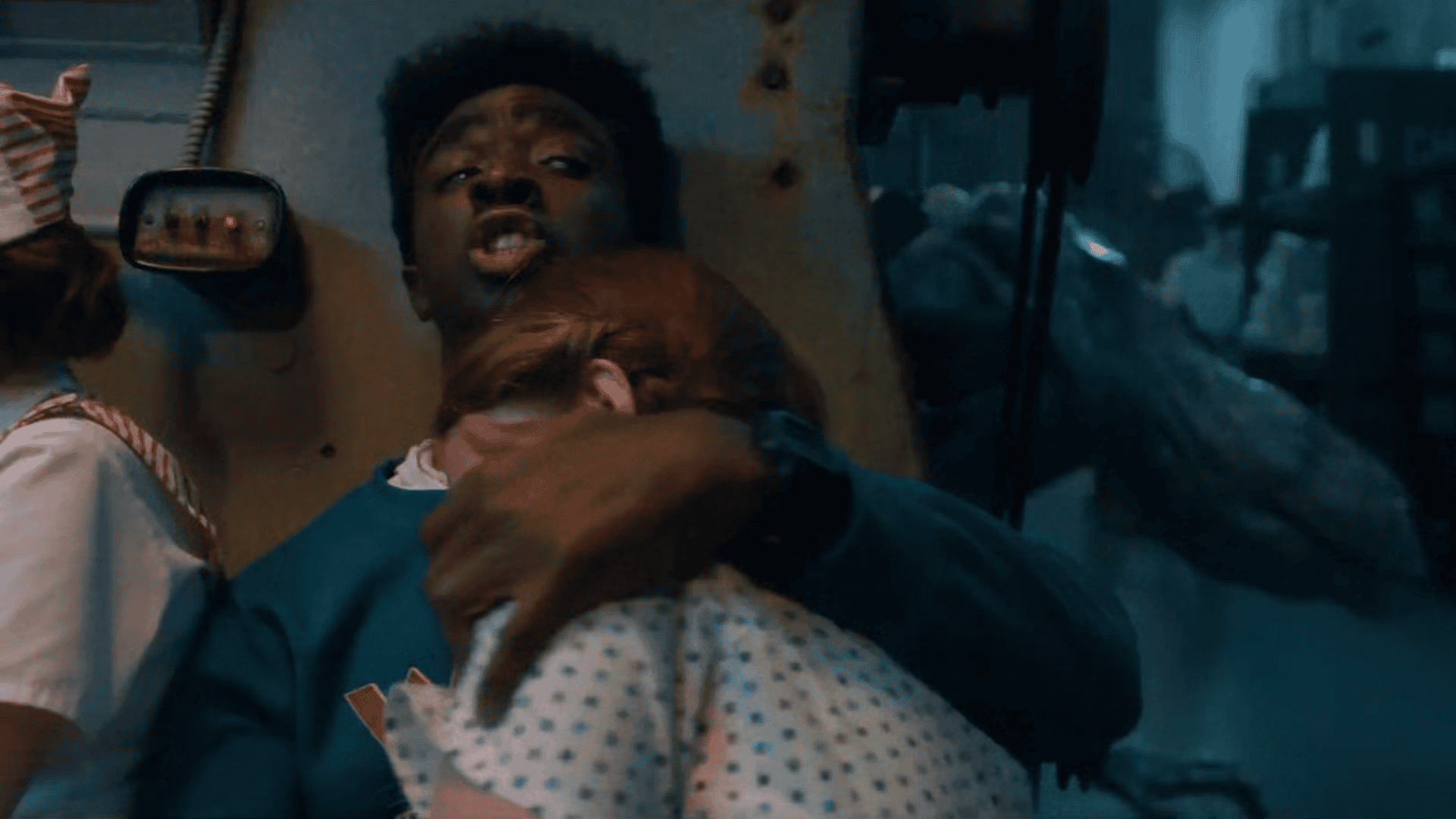
Astin’s Bob fit perfectly. His blend of humor, intelligence, and empathy created an authentic, 1980s-style romance with Joyce that felt grounded amidst the show’s supernatural thrills. Bob wasn’t just another side character; he was someone audiences could invest in. His protective instincts, evident when he helps the kids escape the lab and later sacrifices himself to save them, positioned him as a quiet hero, the kind of character whose courage feels earned, relatable, and bittersweet.
Ross Duffer even noted that expanding Bob’s arc allowed viewers to understand Joyce in ways that would have been impossible if Bob had died earlier. It wasn’t just about giving Sean Astin more screen time; it was about enriching the emotional tapestry of Hawkins. By letting audiences experience their bond, the narrative stakes became more profound. When Bob’s fate finally arrives, the heartbreak is amplified, resonating far beyond his screen time.
Sean Astin’s Nostalgic Power
Astin brings with him decades of pop culture weight, and the Duffer Brothers leaned into that. From Mikey Walsh to Samwise Gamgee, Astin has always played characters defined by loyalty, courage, and empathy. Casting him in Hawkins was a masterstroke because fans immediately understood Bob’s archetype: the nerdy, kind-hearted, brave guy who quietly saves the day.
This nostalgic resonance is a core element of Stranger Things. The series thrives on references and callbacks, but it also relies on actors who carry the emotional baggage of those past roles, creating a meta-layer of storytelling. When Bob steps into a dark, flickering hallway of the Hawkins lab, you’re not only witnessing a character taking heroic action—you’re watching Sean Astin inhabit the very essence of the 1980s hero archetype, transported into a modern horror-fantasy narrative.
Bob’s character also serves as a bridge for the younger cast. Finn Wolfhard, Millie Bobby Brown, and the others could react to a seasoned actor like Astin, feeding off his energy and grounding the fantastical events with authentic human connection. This dynamic enhances the show’s ability to balance supernatural horror with emotional realism, ensuring that the stakes feel real.
When Bob finally meets his end, the timing is devastating. The choice to have him survive longer in Season 2 creates a layered narrative payoff that strengthens the show’s themes of love, sacrifice, and resilience. Bob’s death is not abrupt or trivial; it’s carefully orchestrated to hit the audience with full force. His moments of bravery, his humor, his kindness—everything we’ve come to love about him—is amplified in contrast to the terror of his final moments.
Sean Astin’s portrayal ensures that Bob’s sacrifice is more than a plot point; it’s a lesson in humanity amidst the chaos of the Upside Down. The heartache resonates because the audience has had the time to invest in him, and this investment transforms his demise into a poignant moment that reverberates through the rest of the series.
Additionally, Bob’s death elevates Joyce’s storyline. It provides her with both emotional conflict and narrative momentum, pushing her character into Season 3 with a newfound depth. This careful narrative structuring underscores the Duffer Brothers’ mastery of timing in storytelling—Bob’s death arrives when it can generate maximum emotional impact, not merely as a shocking twist.
The story of Bob Newby’s almost early demise illustrates how Stranger Things weaves character development, nostalgia, and suspense into a seamless experience. Every creative choice, from casting Sean Astin to delaying his death, was made with a clear understanding of narrative resonance. The result is a character whose presence enriches the story and whose absence leaves a lasting void, reinforcing the show’s exploration of grief, courage, and love in the face of otherworldly horror.
Fans continue to celebrate Bob as one of the most beloved characters in the series, often citing his mix of vulnerability, humor, and bravery as emblematic of Stranger Things’ ability to humanize its supernatural narrative. From fan art to Reddit discussions dissecting his final moments, Bob’s legacy demonstrates the power of thoughtful character design and storytelling choices that honor both plot and emotion.
Even years after his exit from Hawkins, Bob remains a reference point for quality storytelling within the series—a reminder that timing, development, and emotional resonance can elevate a character from mere supporting role to cultural icon. His arc exemplifies why Stranger Things continues to captivate audiences, blending the fantastical with the deeply human in ways that leave fans both thrilled and emotionally invested.
Bob’s Legacy in Stranger Things
Bob Newby stands as a testament to the art of character-driven storytelling in genre television. Sean Astin’s performance, combined with the Duffer Brothers’ keen narrative instincts, transformed what could have been a fleeting presence into a cornerstone of Season 2’s emotional arc. His warmth, humor, and bravery create a stark contrast to the darkness of Hawkins, and his ultimate sacrifice reinforces the stakes of life in the Upside Down.
As fans eagerly await Stranger Things 5, reflecting on Bob’s journey reminds us of how every narrative choice carries weight. Characters like Bob, though removed from the screen, continue to shape the emotional landscape of Hawkins, proving that well-crafted arcs resonate long after the final scene. By delaying his death, the Duffer Brothers gifted the audience a storyline that lingers, a story that celebrates bravery, love, and the bittersweet beauty of sacrifice.
In the end, Bob Newby isn’t just a nostalgic nod or a supporting character—he’s a symbol of everything Stranger Things does best: melding heart, horror, and heroism into an experience that stays with viewers long after the credits roll.