Stranger Things Season 5 incorporates storylines that were originally developed for Season 2, reflecting the Duffer Brothers’ long-term narrative planning and focus on cohesive storytelling. During production, Matt and Ross Duffer revisited earlier scripts that had been shelved due to pacing, tonal issues, or narrative focus. The pandemic-related delays provided additional time, allowing them to refine these elements and integrate them into the final season.
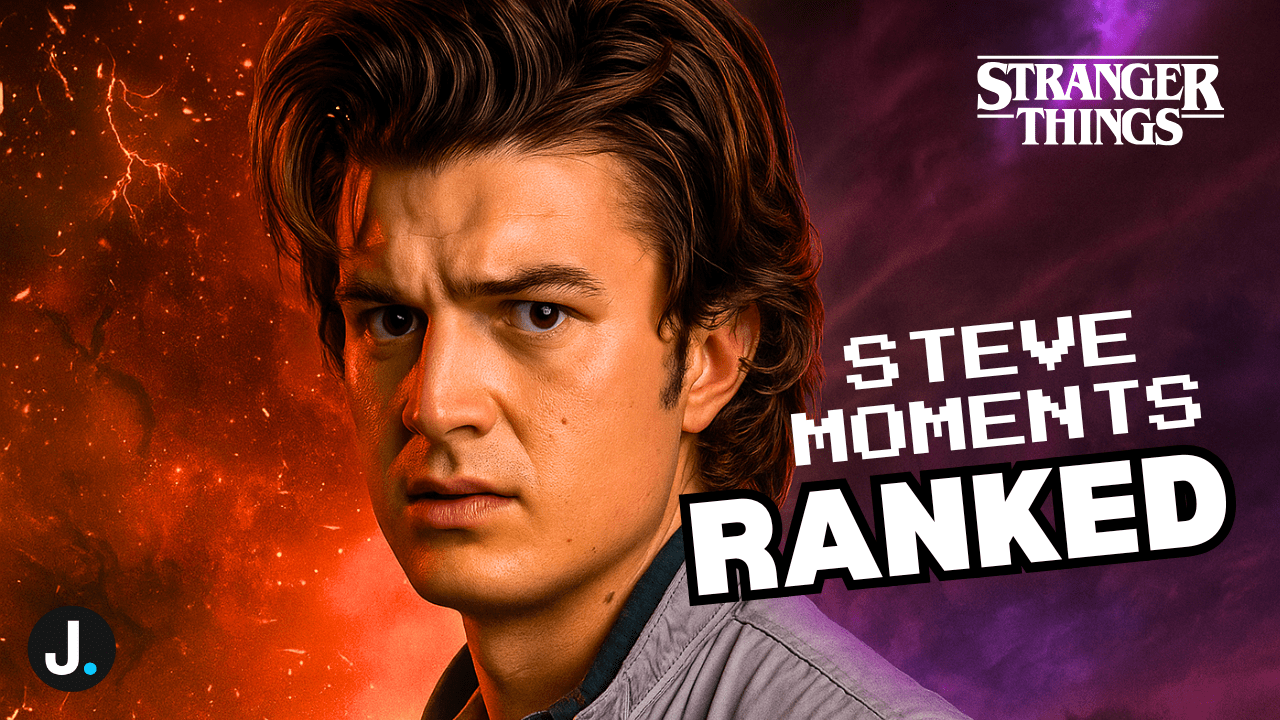
The inclusion of these previously unused plots enhances character arcs established over the course of the series. Max Mayfield’s trauma from Season 4 gains additional context and narrative depth when paired with earlier ideas exploring interpersonal relationships. Steve Harrington, who has evolved from a self-focused teen to a protective figure, faces challenges seeded in earlier scripts, adding layers of emotional development and continuity.
Resurrected storylines also provide continuity across seasons, connecting early foreshadowing and minor plot points to climactic events in Season 5. By weaving older concepts into the current narrative, the Duffer Brothers maintain a coherent structure while rewarding long-term viewers who notice callbacks and references from previous seasons.
Unused Season 2 plots allow the series to expand its mythology, including elements related to Hawkins Lab, interdimensional threats, and characters such as Vecna and Dr. Owens. These additions deepen the world-building without overcomplicating the story, providing context for unresolved mysteries and increasing the stakes of the final season.
Integrating older storylines also encourages fan engagement by rewarding attention to detail and speculation. Viewers familiar with previous seasons may recognize plot threads and character developments that now intersect with current events, creating a layered viewing experience. The approach has generated discussion and theories across social media and fan communities, reinforcing the show’s interactive appeal.
The Duffer Brothers have stated that while some plans were revised, most of their original framework for Season 5 remained intact. Including unused Season 2 elements demonstrates strategic narrative planning, allowing the creators to deliver a finale that is both comprehensive and emotionally satisfying.
By incorporating these storylines, Stranger Things Season 5 balances continuity, character development, and expanded mythology. The older plots strengthen connections between past and present events, enhance emotional stakes, and provide long-term viewers with meaningful payoffs, resulting in a finale designed to conclude nearly a decade of storytelling while maintaining narrative coherence and character-driven depth.