If you’ve ever watched Stranger Things and felt a pang of déjà vu while seeing kids wield flashlights like lightsabers or navigating secret lairs that scream rebellion against dark forces, you’re not imagining things. The Duffer Brothers have openly acknowledged the influence of Star Wars, particularly The Empire Strikes Back, on the show’s structure, tone, and emotional stakes.
Matt Duffer explained in an interview with Netflix Geeked, “We always wanted our Empire Strikes Back season.” That’s right. Hawkins’ adventures mirror the emotional architecture of Star Wars rather than just its visual cues. Take Season 3, for instance, where the storyline offers a bittersweet victory. Season 4, however, dives into raw, unfiltered loss—a thematic choice that mirrors the heroes’ setbacks in Empire. By focusing on emotional authenticity, the Duffers elevate their homage beyond cosplay or Easter eggs.
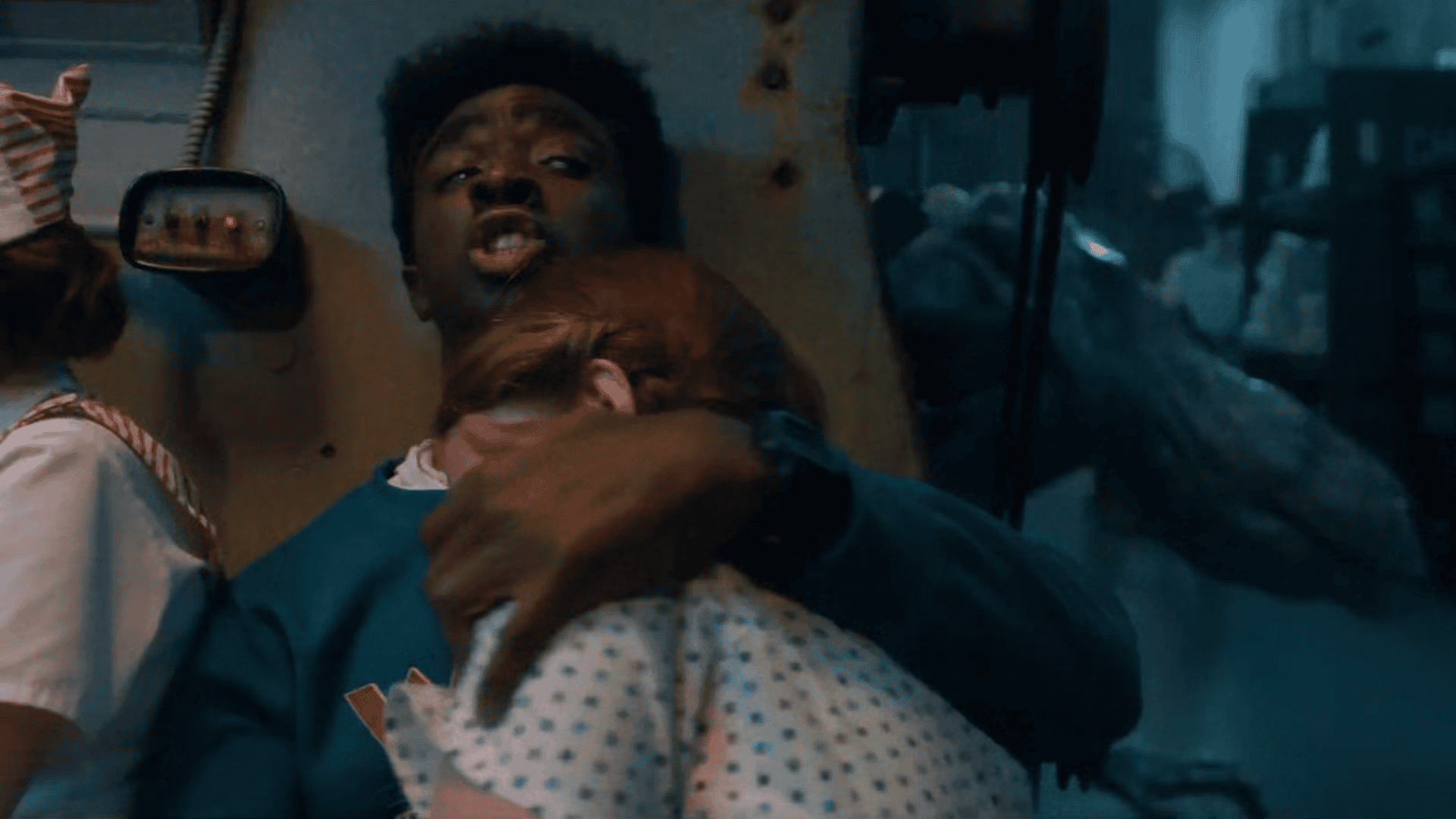
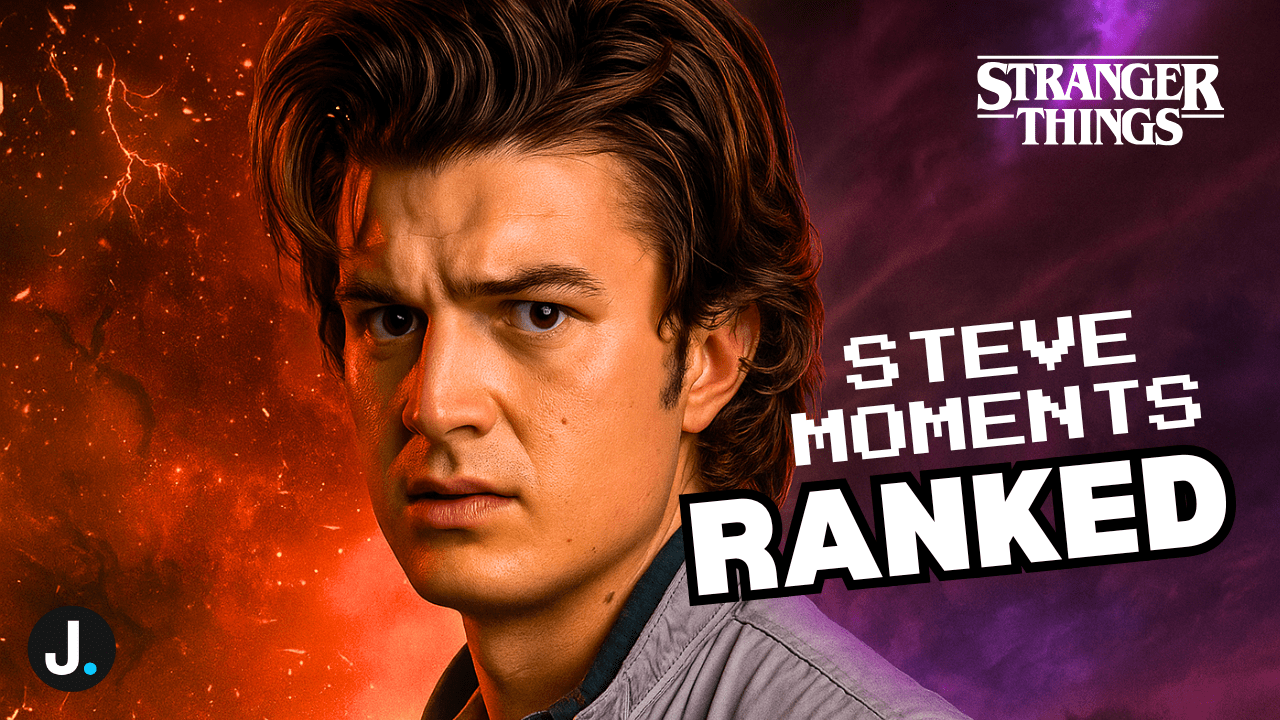
Easter eggs abound, of course. The babysitter scene where Steve Harrington and Dustin Henderson battle with pretend lightsabers in Season 3 is a playful nod, but these small touches are woven into a deeper narrative fabric. They reinforce the series’ adventurous tone while underscoring the emotional stakes the young protagonists face. The reference works on multiple levels: it’s fan service, it’s nostalgia, and it’s a storytelling device all at once.
This layered approach ensures Stranger Things feels like it exists in a world that respects its predecessors while creating its own identity. The Duffer Brothers are not blindly channeling nostalgia. They are tapping into what makes Star Wars resonate emotionally: stakes, character arcs, and serialized tension that keeps audiences hooked episode after episode.
What makes Star Wars enduring is its characters: flawed, heroic, and growing through adversity. The Duffers emulate this model by crafting Hawkins’ kids in the same vein. Each character is multidimensional, experiencing fear, friendship, triumph, and loss in ways that echo both King’s Losers Club archetype and the Rebels of the Star Wars saga.
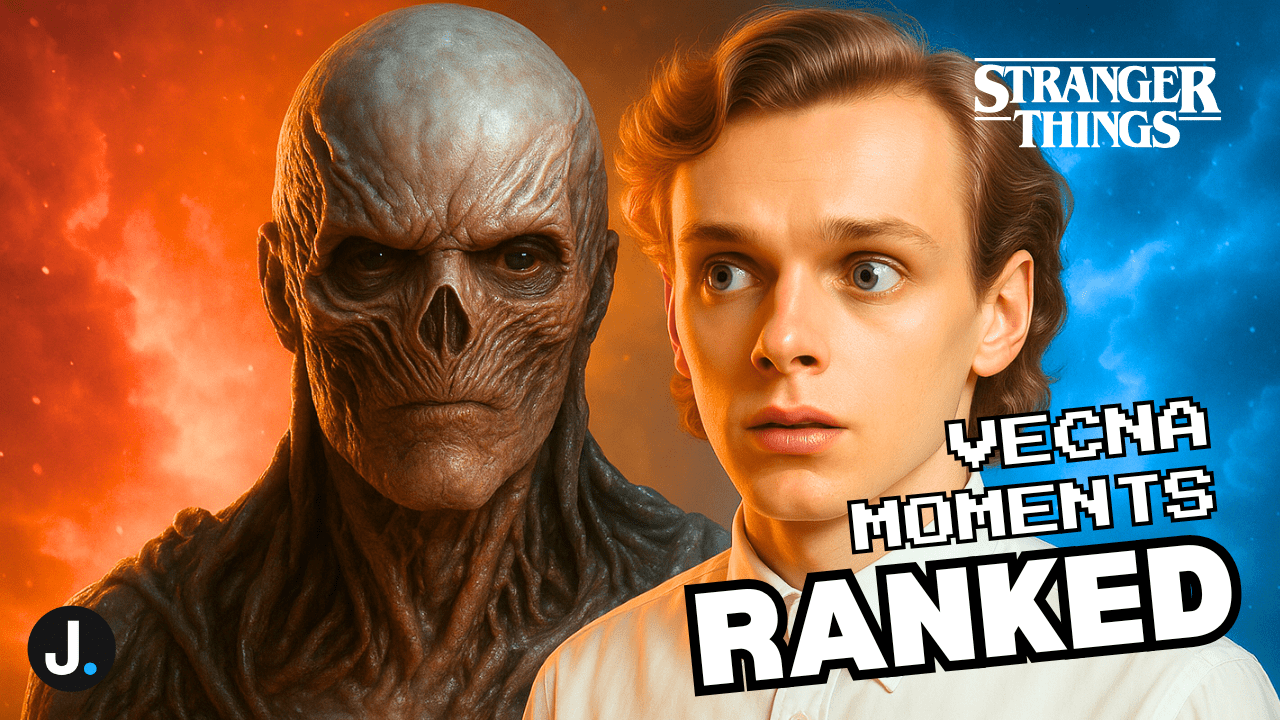
Matt Duffer has remarked that they intentionally structured Season 4 to challenge characters emotionally, reflecting Empire’s lesson that victories often come at a cost. Vecna, the season’s menacing force, is their Darth Vader: a villain whose presence forces the heroes to confront personal fears and trauma. “That would be setting our characters up for war,” Matt explained, emphasizing the strategic and emotional layering that mirrors the Star Wars template.
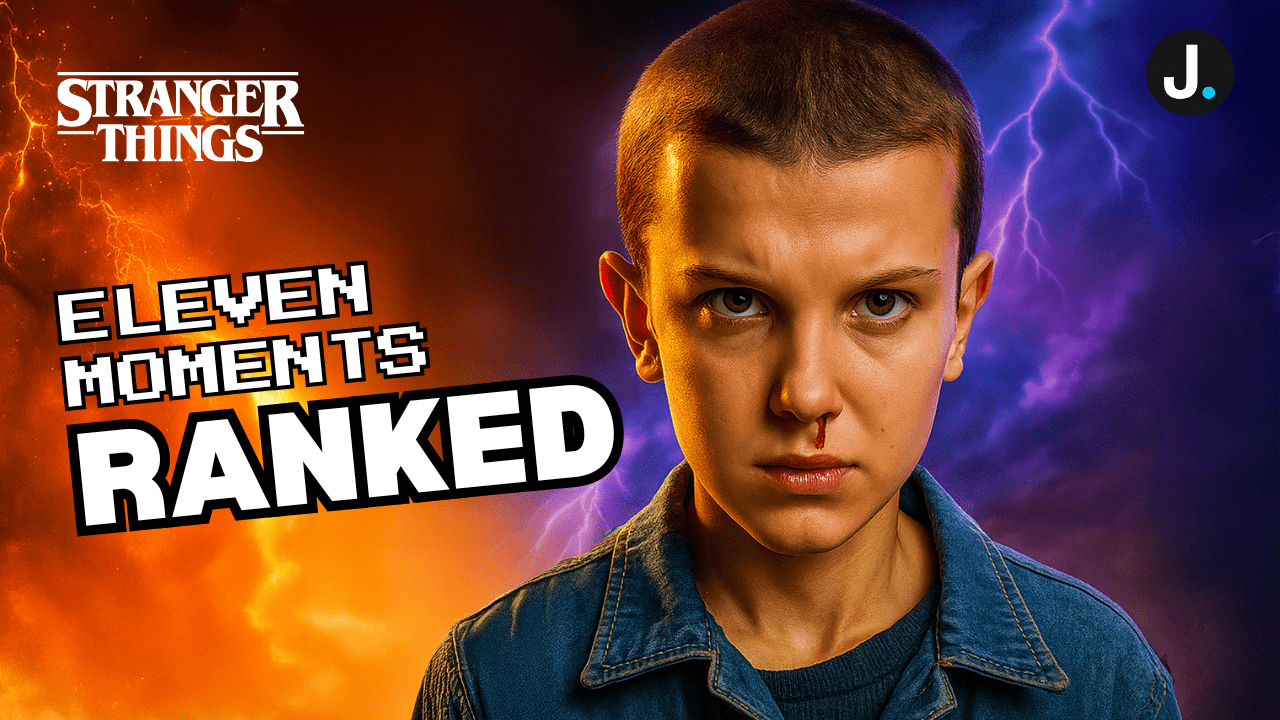
The beauty lies in how these narrative threads intertwine. Eleven, Mike Wheeler, Dustin, and the rest of Hawkins’ crew navigate a world where friendships, love, and courage are tested, much like Luke and his companions on Hoth or Dagobah. But unlike Star Wars, the show blends horror, small-town drama, and supernatural elements, giving the storytelling a fresh, unpredictable edge.
Fans have noticed subtle parallels too. From secret base explorations to characters facing seemingly insurmountable foes, every act of bravery recalls the archetypal hero’s journey. At the same time, the Duffer Brothers avoid copying wholesale. They understand that the essence of Star Wars—conflict, growth, and emotional resonance—translates into Stranger Things while remaining distinctly Hawkins.
Serialized storytelling is an art, and few series manage to balance homage with originality the way Stranger Things does. By integrating Star Wars’ structure, emotional depth, and epic scope, the Duffers create episodes that feel simultaneously familiar and exhilarating. Viewers experience the joy of nostalgia, but each narrative choice carries weight and consequence.
The genius of the approach lies in marrying spectacle with intimacy. Hawkins’ kids are facing apocalyptic threats, but they are also grappling with adolescence, identity, and moral choice. These layers transform the show from a playful retro homage to a compelling narrative that resonates with all ages. Star Wars provides the template—the stakes, the conflict, the epic journey—but the heart of the story belongs to Hawkins and its inhabitants.
As we edge closer to Stranger Things 5, the Star Wars influence remains central to anticipation. Fans expect adventure, emotional stakes, and the thrill of facing darkness with courage, and the Duffer Brothers have proven they can deliver. Whether through clever Easter eggs, structured narrative arcs, or emotionally charged confrontations with Vecna, the spirit of Star Wars is alive in Hawkins, reminding viewers why Stranger Things continues to dominate pop culture discourse.
The enduring power of the series comes from this blend of homage and innovation. It demonstrates how a show can honor iconic influences while carving out its own storytelling legacy. Star Wars’ imprint on Stranger Things ensures that as the saga concludes, viewers are left with the thrill of adventure, the weight of loss, and the satisfaction of a story told with heart, humor, and unwavering attention to character and narrative detail.