As anticipation ramps up for Stranger Things 5 this November, it’s fascinating to look back at how the Duffer Brothers—Matt Duffer and Ross Duffer—crafted the landmark third season. The storytelling behind Hawkins, Indiana, has always been meticulous, and Season 3 exemplifies the dedication required to transform the show into a cultural juggernaut.
Writing for the season began before the second season even premiered, showcasing a forward-thinking approach that anticipated both narrative needs and logistical constraints. According to reports, the Duffer Brothers often wrote in intense bouts lasting twelve to fourteen hours. Just imagine sitting in a room for half a day, generating plot twists, dialogue, and character arcs while keeping the 1980s aesthetic authentic, the suspense taut, and the scares genuinely chilling. That level of commitment explains why every scene in Season 3 feels both precise and alive.
Netflix had ambitions for both the third and fourth seasons to be written simultaneously. The concern was practical: the young cast members—Millie Bobby Brown, Finn Wolfhard, Gaten Matarazzo, and Noah Schnapp—were aging rapidly, and the story’s timeline needed to maintain consistency. However, the Duffer Brothers, with producer Shawn Levy, opted to focus solely on Season 3. Levy explained, “We aimed to create a stronger, more fleshed-out installment rather than rush through the creative process.” That dedication to quality over speed reflects an understanding that Stranger Things thrives when the characters, world-building, and suspense are carefully calibrated.
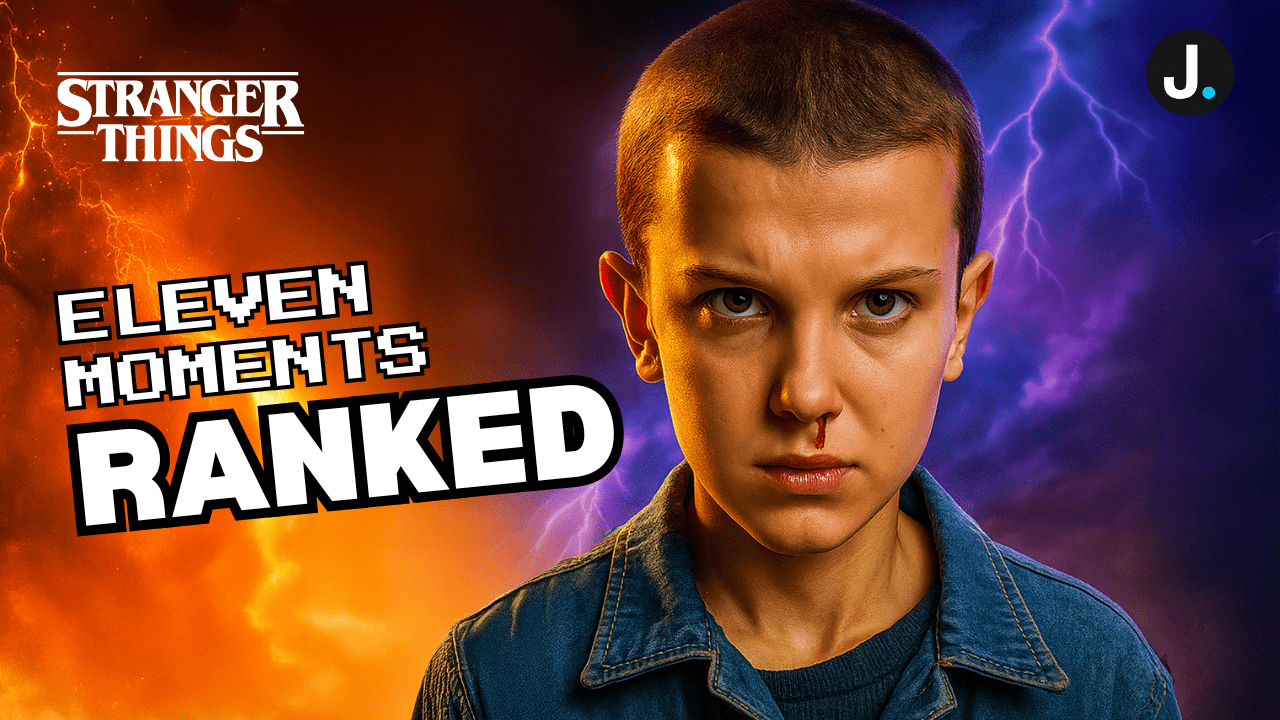
The long writing sessions also allowed the Duffer Brothers to experiment with tone, pacing, and character interactions. Crafting scenes where Eleven’s powers evolve, Dustin and Steve’s bromance shines, or Hopper navigates new challenges in Russia demanded not only imagination but an incredible attention to narrative cohesion.
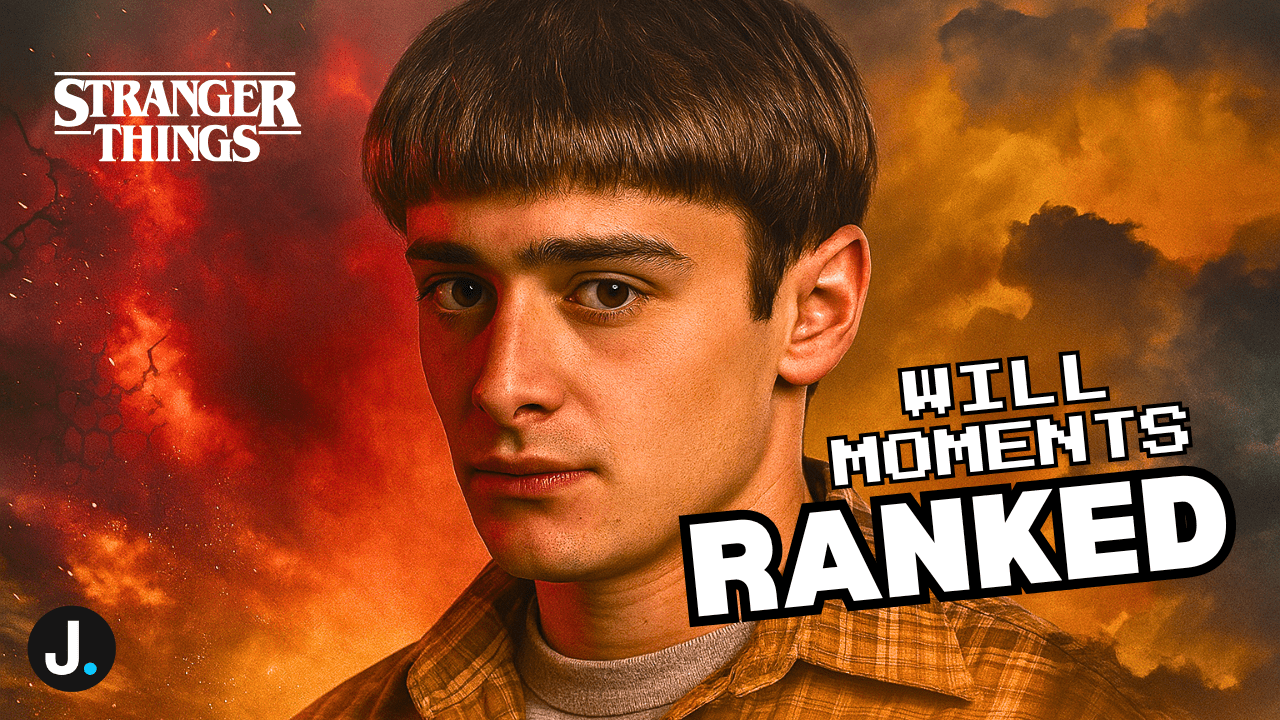
Season 3 marked a deliberate shift in storytelling. According to Levy, the season would pivot away from Will Byers’ ongoing trauma. “We're not going to put Will through hell for a third season in a row,” he stated, signaling that new antagonistic forces would challenge Hawkins’ heroes. This shift allowed the narrative to explore fresh dynamics, giving the ensemble cast opportunities to grow beyond the familiar arcs of prior seasons.
The season also leaned into more adult-oriented storylines. Natalia Dyer, who plays Nancy Wheeler, described the season as “...Bigger, darker, [and] scarier.” The stakes were higher, the scares more sophisticated, and the emotional resonance deeper. This thematic maturity mirrored the audience’s own growth. Viewers who had been watching since Season 1 were now teenagers or young adults themselves, making a slightly darker, more complex narrative both timely and engaging.
In terms of character development, this pivot allowed for compelling arcs that diverged from the supernatural horrors. Relationships matured, friendships evolved, and characters were given room to breathe outside the immediate crisis of the Upside Down. For example, Steve Harrington’s continued growth as a mentor and friend to Dustin added levity and charm amidst tension, while Hopper’s moral dilemmas highlighted the consequences of leadership under extraordinary circumstances.
The Duffer Brothers’ approach here demonstrates a nuanced understanding of serialized storytelling. By stepping away from repetitive trauma arcs and embracing new thematic challenges, they ensured that Season 3 felt distinct yet consistent within the Stranger Things universe.
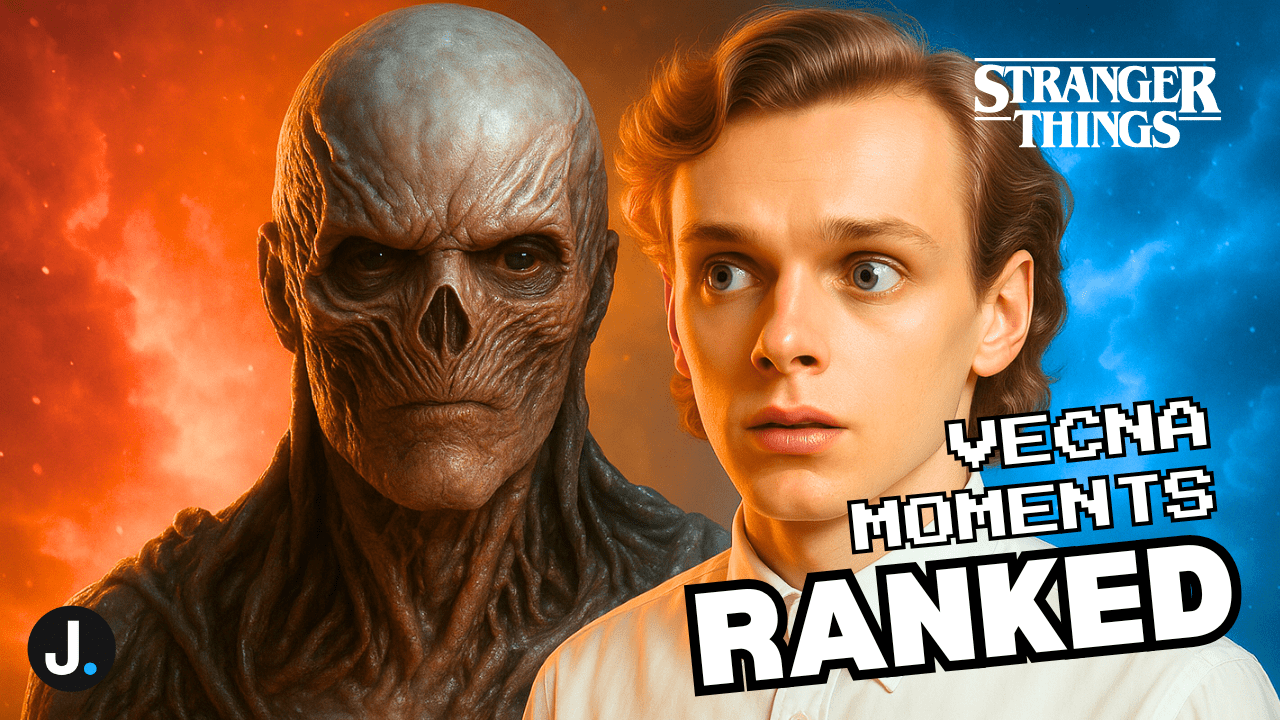
Every creative process involves trial, error, and evolution, and Stranger Things 3 was no exception. Some early ideas were scrapped entirely to strengthen narrative cohesion. One striking example: an early concept envisioned the Mind Flayer wreaking havoc during Hawkins’ Fourth of July Parade. While visually dynamic, this idea was ultimately abandoned, revealing the Duffer Brothers’ willingness to refine concepts in pursuit of a more coherent and emotionally resonant story.
This scrapping demonstrates the fluidity of creative storytelling. Just because an idea is dramatic or visually impressive does not mean it serves the narrative best. The Duffer Brothers carefully evaluated which elements would enhance character arcs, heighten suspense, and preserve the show’s nostalgic 1980s charm.
The meticulous process also involved balancing humor, horror, and heart. Fans often celebrate the series for its blend of levity and dread, and these elements require careful calibration. Writing marathons of 12-14 hours allowed the team to fine-tune comedic timing, pacing of suspense, and emotional beats. The result is a season that feels meticulously crafted and emotionally satisfying, even as the heroes confront terrifying supernatural forces.
The intensive sessions also fostered innovation. By dedicating long stretches of time to writing, the Duffer Brothers could experiment with narrative structure, dialogue rhythm, and plot twists without the constraints of a rushed schedule. This dedication produced scenes that linger in fans’ minds, from the chaotic battles in the Starcourt Mall to the tender moments between friends navigating adolescence and the unknown.
As fans eagerly anticipate Stranger Things 5, reflecting on Season 3 highlights the meticulous craftsmanship that underpins the series. The Duffer Brothers’ dedication, the intense writing marathons, the narrative shifts away from Will Byers, and the scrapped but fascinating early concepts all contributed to a season that elevated the show to global acclaim.
Understanding this process enriches the viewing experience. Fans can appreciate that each plot twist, emotional beat, and terrifying encounter was carefully considered, debated, and refined over countless hours. Season 3 exemplifies how the combination of vision, discipline, and creative flexibility can produce a narrative landscape that resonates emotionally, culturally, and aesthetically.
Looking forward, Stranger Things 5 carries the weight of expectation shaped by these earlier successes. With the Duffer Brothers and their collaborators at the helm, viewers can anticipate another season that blends nostalgia, suspense, and emotional depth, all while honoring the legacy of Hawkins and its beloved characters.
By examining the laborious yet innovative processes behind Season 3, it becomes clear why Stranger Things has achieved its cultural impact. The combination of long writing sessions, careful attention to character evolution, and willingness to adapt concepts ensures that the series remains compelling. It serves as a testament to what meticulous storytelling, paired with imagination and dedication, can achieve in contemporary television.
In conclusion, the creation of Stranger Things 3 reflects the meticulous dedication of the Duffer Brothers and their team. Through 12-14 hour writing marathons, shifts in narrative focus, mature thematic development, and a willingness to refine ideas, Season 3 exemplifies why Stranger Things has become a landmark in modern pop culture. These elements not only elevated the series at the time but also set the stage for the highly anticipated and promising Season 5, ensuring that the world of Hawkins will continue to thrill, terrify, and captivate audiences worldwide.