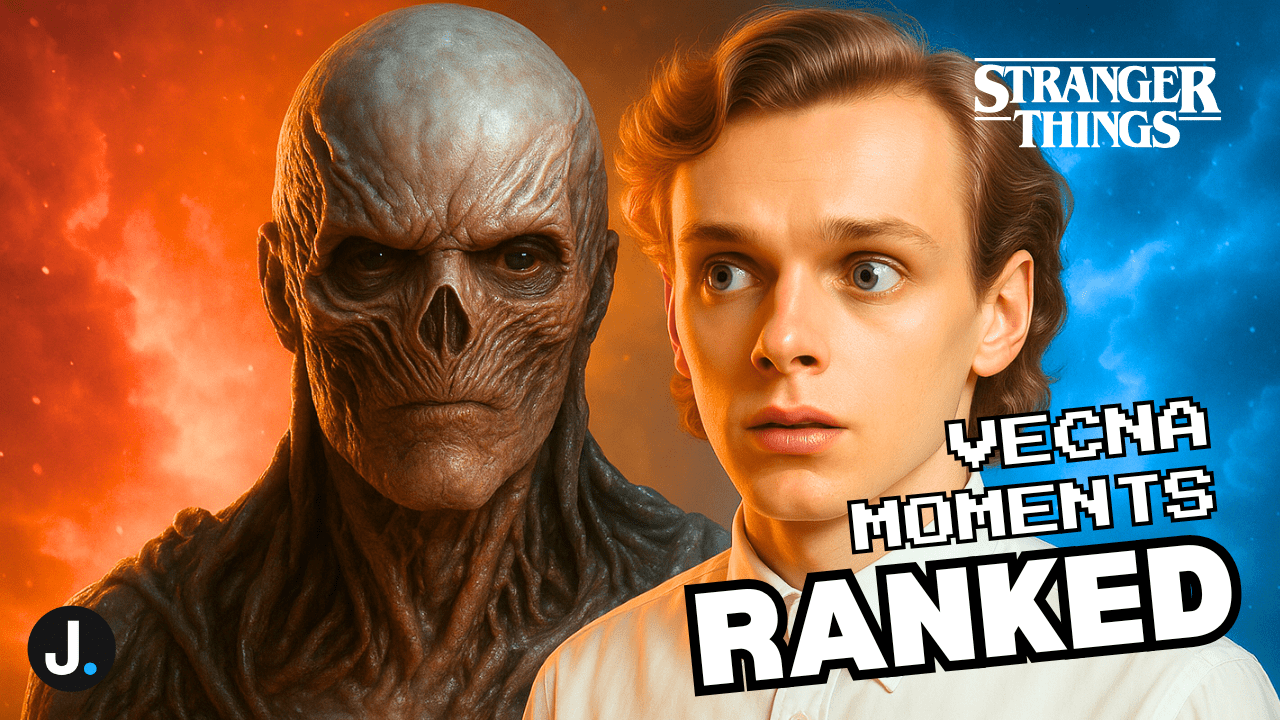
If you’ve watched Stranger Things 4 closely, you’ll notice that Vecna’s modus operandi bears an uncanny resemblance to one of horror’s most notorious villains: Freddy Krueger. The Duffer Brothers have a knack for weaving in subtle and overt references that reward attentive fans, and the parallels between Vecna and Freddy are a standout example.
Throughout the season, Dustin Hawkins plays the role of amateur horror analyst, noticing that Vecna targets his victims while they sleep, exploiting their traumas and fears. This is the essence of Freddy Krueger’s legacy: psychological manipulation delivered in the dreamscape. By invoking this connection, the show not only heightens the stakes of Vecna’s menace but also situates Stranger Things within the broader lineage of horror.
Vecna’s attacks feel personal and intimate, the way Freddy’s always did, drawing viewers into the terror by aligning it with characters’ inner vulnerabilities. It’s a brilliant narrative device because it encourages us to analyze the characters’ backstories, creating a psychological tension that extends beyond the Upside Down and into the human mind. By borrowing the template of Freddy’s haunting, the show underscores that horror is as much about internal fears as it is about external monsters.
Robert Englund as Victor Creel: A Horror Easter Egg
The most delightful nod to horror aficionados comes with the casting of Robert Englund, legendary for portraying Freddy Krueger, as Victor Creel in Season Four. Englund’s inclusion is a masterstroke of meta-horror, allowing fans to recognize a familiar face while exploring a character entwined in Hawkins’ sinister history.
Victor Creel’s storyline, involving a haunted household and gruesome tragedies, mirrors the thematic threads of classic slasher horror, while Englund’s presence bridges the gap between the 1980s horror era and Stranger Things’ contemporary storytelling. This choice signals that the Duffer Brothers understand horror as a living tradition, one that honors its roots while pushing boundaries in new ways. It’s a wink and a nod to the audience: the scares we love have a pedigree, and Stranger Things is fully aware of it.
Moreover, Englund’s portrayal adds an emotional depth that contrasts with the high-octane thrills of the season. While Freddy Krueger thrived on malevolent whimsy, Creel’s character carries the weight of grief, trauma, and haunting consequences. This layered storytelling reinforces Stranger Things’ ability to balance terror with empathy, making the horror resonate far beyond jump scares.
Stranger Things 4 exemplifies the show’s genius in blending nostalgia, psychological terror, and heartfelt character arcs. By referencing Freddy Krueger and embedding horror traditions into Vecna’s design, the Duffer Brothers have created a season that functions as both homage and innovation.
The intertextuality does more than reward attentive viewers; it fosters discussions among horror enthusiasts about how the genre has evolved. Vecna inherits Freddy’s blueprint but adds complexity, moral ambiguity, and narrative depth that elevate him above being a mere homage. This synthesis ensures that Stranger Things appeals to multiple generations: older viewers recognize the nods to classic horror, while younger audiences are captivated by the fresh storytelling and high production values.
As fans await Season Five, it’s clear that the legacy of horror will remain central. Vecna’s nightmare-fueled terror, alongside the subtle reverence for icons like Freddy, sets a tone for the finale that promises both homage and innovation. Horror is eternal, and Stranger Things has positioned itself as a bridge between the legends of the past and the horrors of today’s Upside Down.