When news broke that Stranger Things 4 cost around $270 million to produce, jaws collectively dropped across the entertainment world. That’s roughly $30 million per episode, a number that puts it in the rarefied air of the most expensive television productions ever. To give it some context, only The Lord of the Rings: The Rings of Power at $58 million per episode and Citadel at $50 million surpass it. For a series rooted in 1980s nostalgia, friendship, and supernatural suspense, the figures are staggering, but they make sense when you consider the ambition of the Duffer Brothers and Netflix’s competitive strategy.
Netflix clearly wanted to make a statement. In a market saturated with streaming options, investing hundreds of millions into one series signals not only confidence in its fan base but also a desire to define a benchmark for high-end episodic content. Gone are the days when TV shows could rely on charm alone; today, immersive experiences, high-quality cinematography, and blockbuster-level special effects are table stakes. Stranger Things 4 demonstrates that audiences are willing to engage with content that feels like a cinematic journey, delivered in episodic form.
The hefty budget reflects the Duffer Brothers’ commitment to creating a world that feels fully alive, terrifying, and nostalgically authentic. The sets of Hawkins, the Upside Down, and the Hawkins Lab were meticulously crafted to transport viewers back to the 1980s while simultaneously presenting a horror-infused alternate dimension. From Vecna’s horrifying lairs to Eleven’s emotional battles, every frame was calculated to deliver maximum impact, requiring extensive visual effects, custom sets, and careful cinematography.
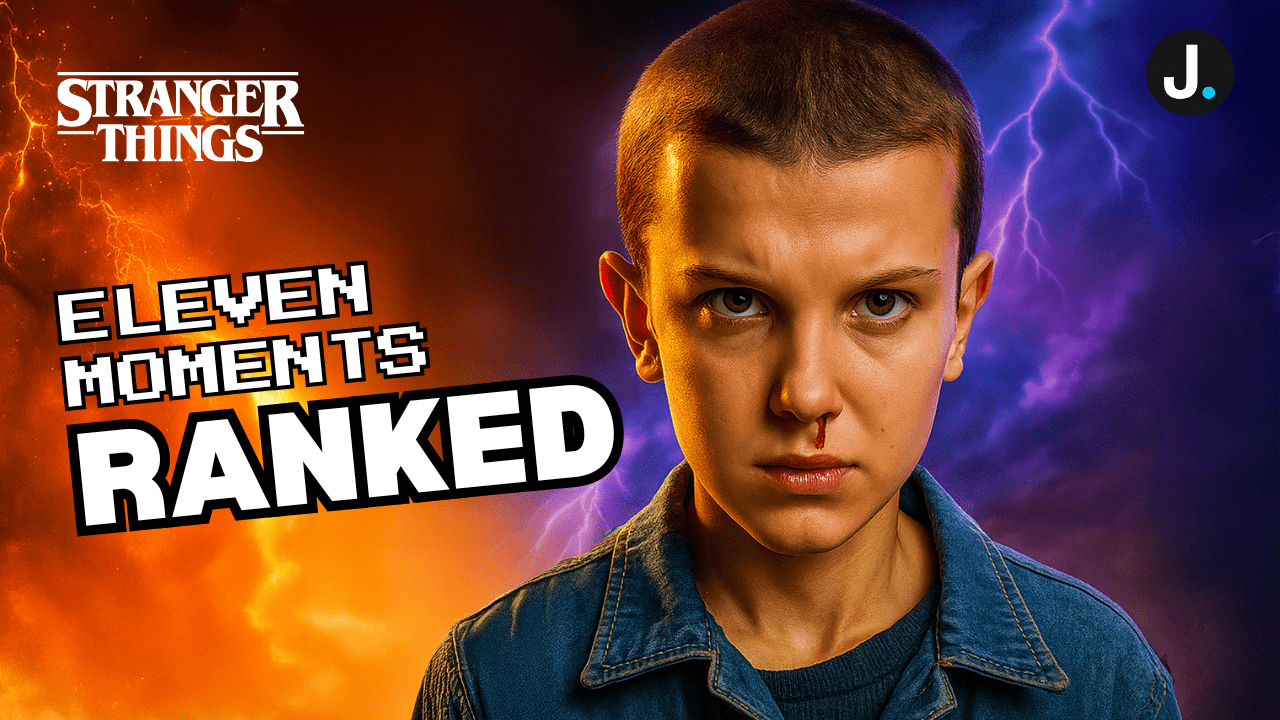
Special effects alone accounted for a significant portion of the budget. The fourth season’s creatures, including the spine-chilling Vecna, demanded sophisticated CGI, motion capture, and practical effects to make them feel real. Every flicker of a flickering light, every shadow creeping across a wall, and every telekinetic display from Eleven carried both narrative weight and visual spectacle. It’s this seamless combination of story and production value that turned binge-watching into a fully immersive event, keeping viewers glued to their screens and discussing each detail on social media for weeks.
Moreover, the emotional stakes of the story demanded production attention. Stranger Things 4 isn’t just about monsters and government conspiracies; it’s about friendship, trauma, and the high cost of growing up in a world where danger lurks behind every corner. Big budgets allowed the show to create intimate, cinematic moments alongside massive set-piece battles, marrying heart and horror in ways that only premium production values can achieve.
The financial gamble of Stranger Things 4 signals more than just Netflix’s faith in Hawkins; it hints at the evolving nature of the streaming industry itself. By investing $270 million into a single season, Netflix set a precedent for what audiences expect from high-profile shows: film-quality visuals, immersive storytelling, and global cultural resonance. As streaming platforms continue to compete for viewer attention, these big bets may well shape the future of television production.
High production costs bring risk, of course, but they also create opportunities for storytelling that pushes boundaries. For Netflix, the payoff has been immense. Stranger Things remains a cultural juggernaut, driving merchandise sales, fan conventions, and even augmented reality experiences. The success of Season 4, measured not only in hours streamed but also in audience engagement, validates the enormous investment.
Looking ahead to Stranger Things 5, it’s clear that the Duffer Brothers and Netflix will continue to raise the stakes. The massive budget of Season 4 sets expectations sky-high, prompting fans to wonder how the final chapter will deliver the cinematic spectacle, emotional resonance, and chilling suspense that have become hallmarks of the series. As production costs climb across the industry, the line between television and blockbuster filmmaking continues to blur, hinting at a future where streaming series offer experiences previously reserved for movie theaters.
In essence, the financial scale of Stranger Things 4 mirrors its cultural impact. Netflix has proven that it is willing to gamble big for content that captivates, terrifies, and moves audiences simultaneously. As Hawkins prepares for its final showdown, viewers can be confident that every dollar spent has gone into crafting an unforgettable narrative universe, where monsters, mystery, and the magic of the 1980s collide in breathtaking fashion.