When Stranger Things 4 premiered on May 27, 2022, it was clear that the series had outgrown its Hawkins roots, evolving into a global juggernaut. Within the first week alone, the series amassed a jaw-dropping 287 million hours of viewing, surpassing Bridgerton season two’s record of 193 million hours. By the end of its first 28 days, Stranger Things 4 had been streamed for a mind-boggling 1.352 billion hours, securing its spot as the second most-watched program in Netflix history, behind only Squid Game.
These numbers are not just statistics; they are a testament to the series’ ability to merge nostalgia, suspense, and heart. For comparison, most hit shows are lucky to cross a few hundred million hours in a month, which makes the scale of this phenomenon almost hard to comprehend. It seems that the Duffer Brothers have found a formula that resonates with audiences worldwide, fusing the familiar charm of the 1980s with terrifying supernatural elements that appeal to multiple generations of viewers.
Even more impressive is that Stranger Things 4 became the most viewed English-language series ever on Netflix, marking a historic achievement for the platform. This distinction demonstrates that audiences are willing to dedicate massive amounts of time to content that delivers both thrills and emotional depth, particularly when they feel invested in the characters.
What makes Stranger Things 4 so compelling is its blend of elements that feel simultaneously familiar and thrilling. The series taps into 1980s pop culture, from The Goonies style camaraderie to synth-heavy soundtracks reminiscent of John Carpenter films. It balances this nostalgia with a sophisticated, sometimes terrifying exploration of the Upside Down, creating a tension that is gripping and emotionally resonant.
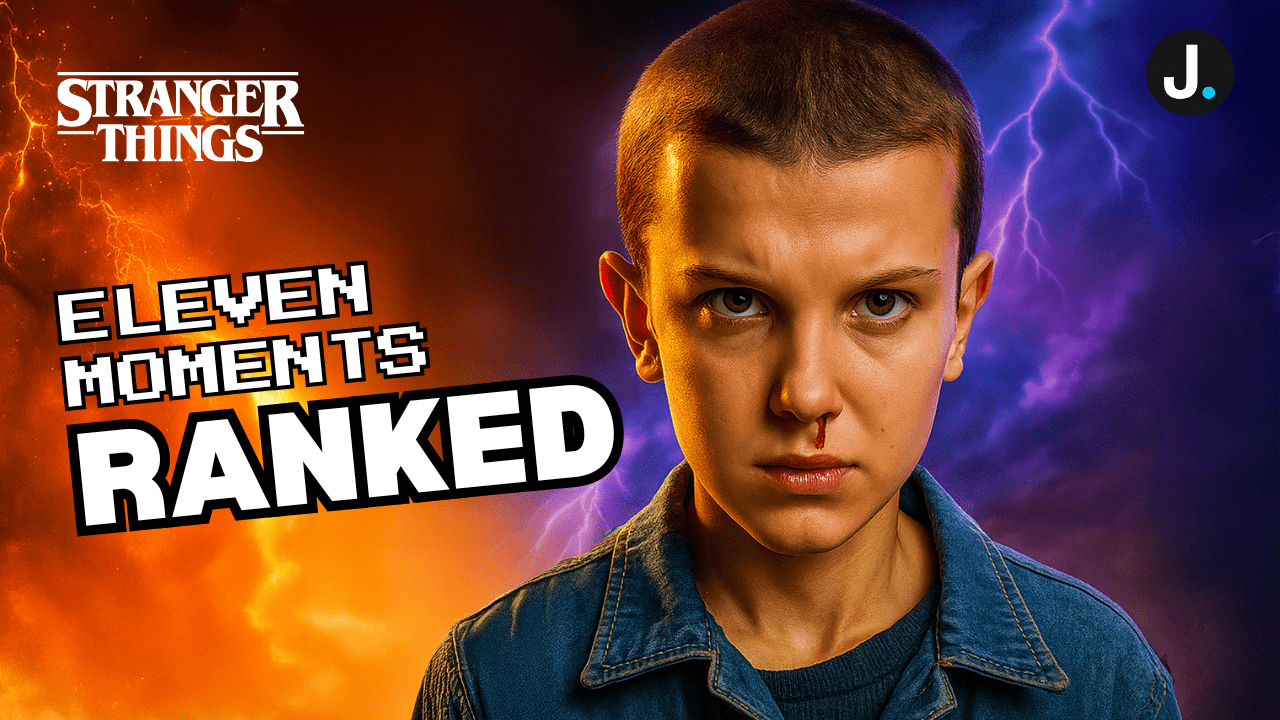
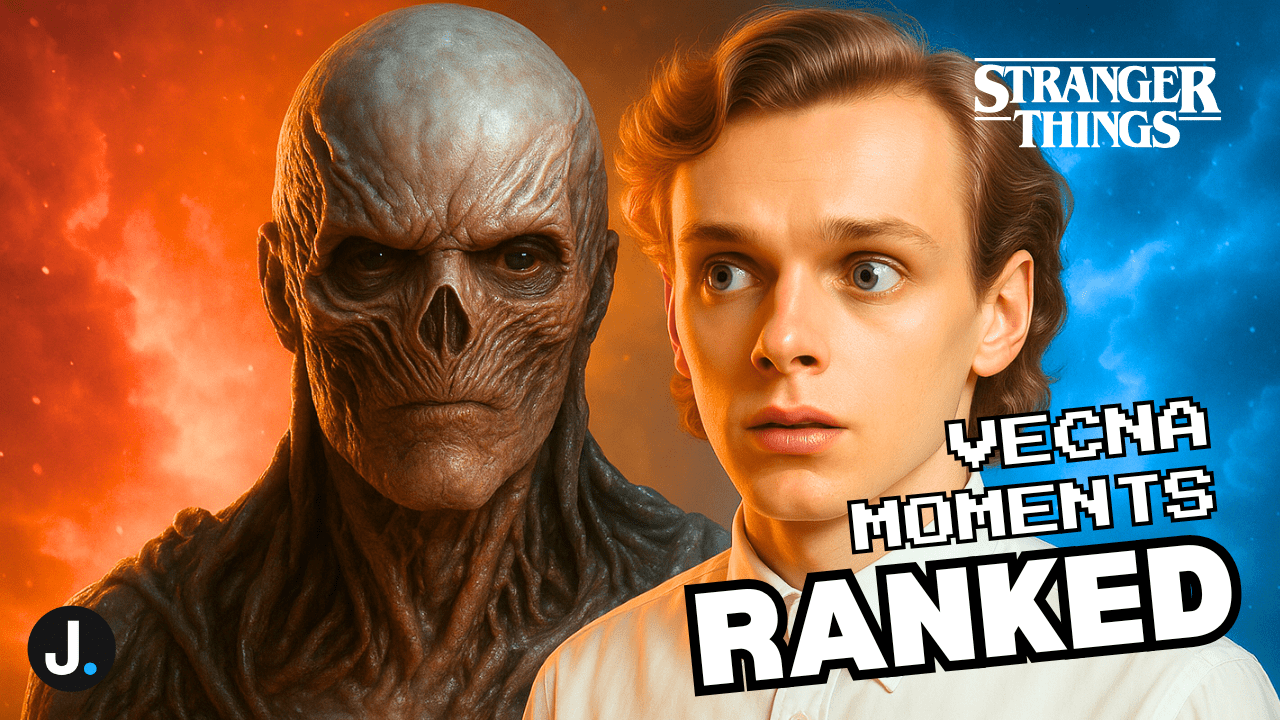
The fourth season, in particular, expanded the narrative scope, taking audiences beyond Hawkins and introducing new locations and new threats, including the formidable Vecna. Each character faced heightened stakes, allowing fans to witness both growth and vulnerability. Eleven’s journey, from a fledgling psychic in earlier seasons to a fully realized hero grappling with trauma, became a centerpiece of the season’s emotional arc. Meanwhile, other characters like Max, Mike, and Dustin deepened their relationships, blending classic coming-of-age themes with high-octane supernatural drama.
The combination of nostalgia, storytelling, and character development created a recipe for binge-watching at record levels. Fans didn’t just want to catch up with the story; they wanted to immerse themselves entirely in Hawkins, live in the suspense, and feel the highs and lows alongside the characters they had come to know and love over four seasons.
Stranger Things 4’s record-breaking success reflects the power of television in the streaming era. Unlike traditional broadcasts, where ratings are measured by viewers at specific times, Netflix can quantify global demand in hours streamed. Crossing the one-billion-hour mark puts Stranger Things in rare company alongside Squid Game, showing that the combination of strong storytelling, nostalgia, and supernatural thrills can create a worldwide event.
The anticipation for Season 5 is now at a fever pitch. Fans are speculating not only about the resolution of Hawkins’ mysteries and the fate of the characters but also about how the series might expand the mythology of the Upside Down. As the Duffer Brothers prepare to close the saga, the question looms: how will they top a season that achieved such staggering global reach?
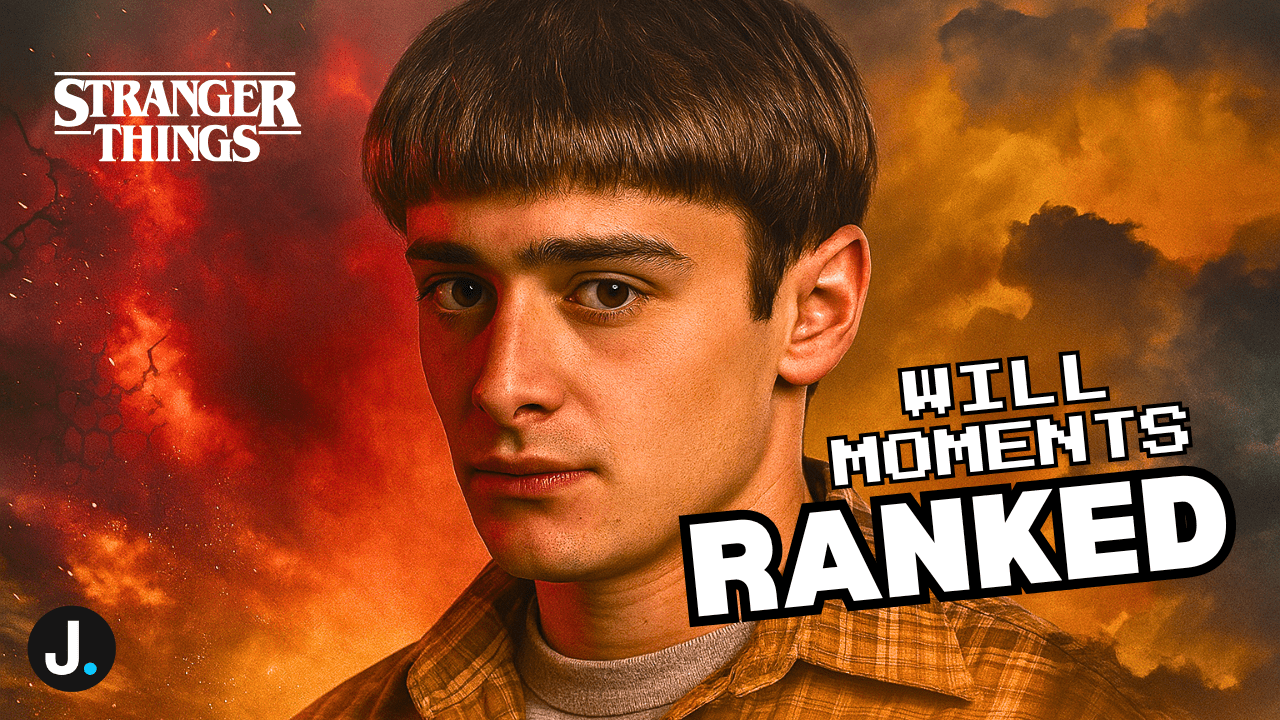
Given the show’s history of escalating stakes, from the first simple disappearance of Will Byers to the multidimensional horrors of Season 4, expectations are high. Season 5 will likely take viewers deeper into the Upside Down, perhaps exploring its origins, the nature of its monsters, and the long-term impact of Hawkins’ entanglement with this dark dimension. Fans are eager for a finale that balances spectacle with the intimate storytelling that has made Stranger Things resonate for nearly a decade.
This unprecedented success also highlights Netflix’s ability to cultivate events around serialized storytelling. Stranger Things shows that audiences crave interconnected narratives, character-driven plots, and the thrill of mystery all packaged with nostalgic flair. It underscores the cultural influence of the series, which goes beyond screen time to inspire merchandise, fan theories, and immersive experiences, from tarot decks to AR stickers, all expanding the reach of Hawkins into the real world.
The fourth season proved that Stranger Things has grown beyond mere television into a shared cultural experience. As fans prepare for the fifth and final season, the legacy of the show will likely influence the next generation of storytelling in the streaming era. Stranger Things embodies how character, narrative, and nostalgia can converge to create phenomena that are measured in billions of hours, yet felt deeply in the hearts of viewers.
The stage is set for Hawkins’ final act. Will the heroes defeat Vecna? Will the Upside Down finally be closed for good? And how will the Duffer Brothers honor the emotional journeys of characters who have captured the imaginations of millions? As November 2025 approaches, one thing is certain: viewers are ready to log more record-breaking hours in Hawkins, embracing every twist, scare, and heartfelt moment along the way.