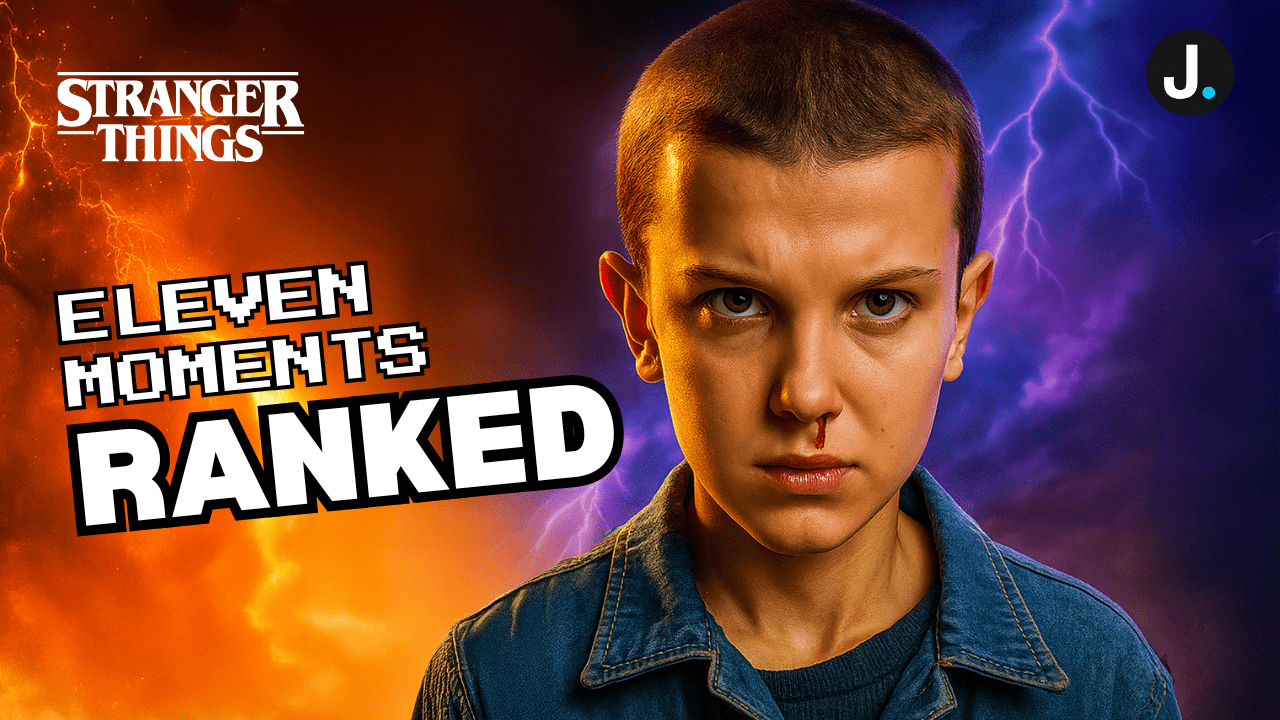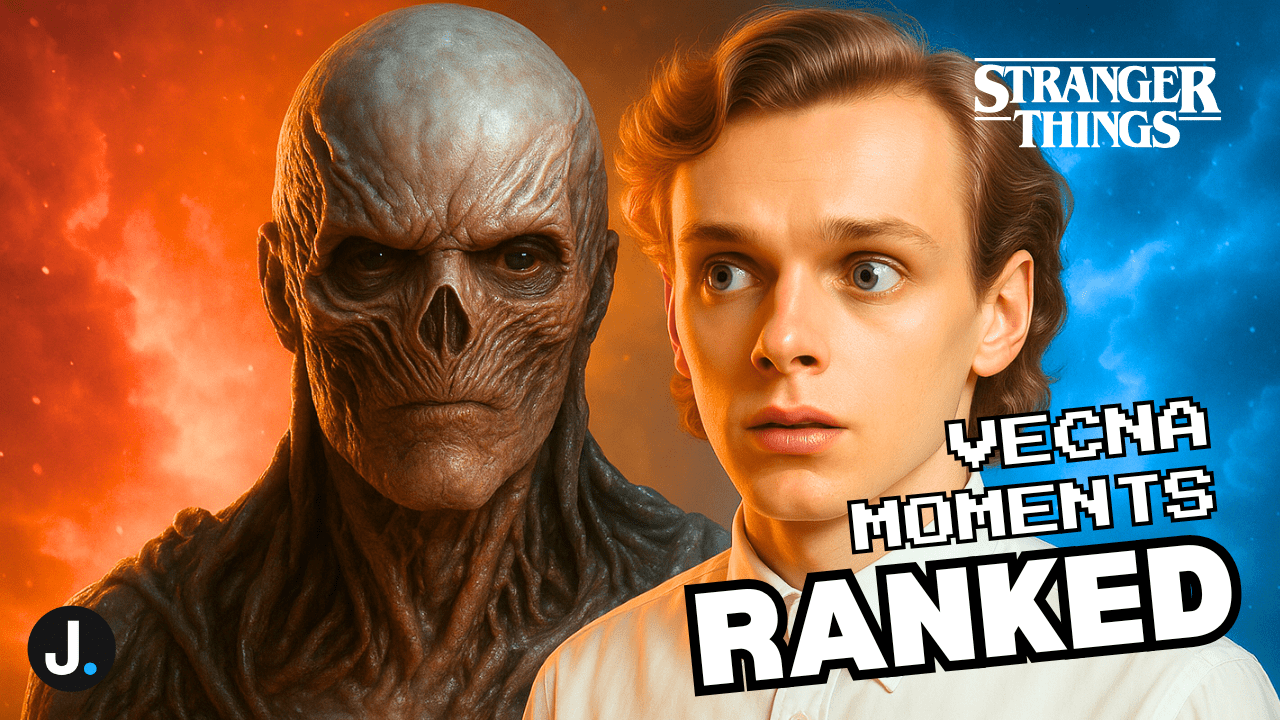
In October 2017, Google launched the Pixel 2 smartphone, introducing augmented reality (AR) stickers that included characters from Netflix’s Stranger Things. This feature allowed fans to place digital versions of Eleven and the Demogorgon in real-world environments using the phone’s camera. Users could move, rotate, and interact with the characters, creating personalized scenes that mirrored the series’ narrative.
The AR experience was powered by Google’s ARCore software, which enabled spatial mapping and real-time object detection. This technology allowed users to place characters in their own spaces, simulate battles, and explore the Upside Down in miniature form. Unlike traditional viewing experiences, AR offered an interactive approach, giving fans agency in recreating the show’s iconic moments.
The stickers were designed to engage audiences beyond passive observation. Eleven could be staged using telekinetic powers, and the Demogorgon could be positioned to create suspenseful or humorous scenarios. The interactive element encouraged users to share their creations on social media, generating a participatory fan culture where viewers contributed their own narratives.
This integration of AR with Stranger Things marked a shift in storytelling. By allowing fans to manipulate characters and scenes, the series transformed passive viewers into active participants. The experience demonstrated how technology can extend the reach of entertainment, enabling fans to explore plotlines, character dynamics, and thematic elements in a hands-on way.
The use of AR also highlighted the potential for broader applications in media. Interactive experiences can increase engagement, build community, and provide educational insight into narrative structures. Fans could analyze character relationships, plot progression, and story mechanics while experimenting with placement and interaction in real time.
The collaboration between Stranger Things and Google’s ARCore illustrated the evolving relationship between technology and entertainment. By creating a platform for immersive, user-driven interaction, the series expanded its universe beyond the screen. As the release of Season 5 approaches, AR and related technologies may continue to offer fans new ways to experience Hawkins, Indiana, and the Upside Down, bridging traditional storytelling with interactive participation.