By the time 2017 rolled around, Netflix’s Stranger Things had transformed from a cult favorite into a worldwide obsession. Created by the Duffer Brothers, the series combined the nostalgia of the 1980s with a supernatural thriller narrative and a deeply human story about friendship, fear, and resilience. In that year, Parrot Analytics recognized Stranger Things as the most in-demand digital original series globally. To put it bluntly, it had become a streaming powerhouse, proving that a series could thrive outside traditional ratings systems while still resonating on a massive scale.
The show’s meteoric rise was fueled by a combination of clever writing, unforgettable performances, and cultural resonance. Fans loved the retro aesthetic, from cassette tapes to Eggo waffles, while critics appreciated its layered storytelling. This blend of pop culture throwbacks and emotionally rich characters created a phenomenon that transcended generational boundaries. Younger audiences could relate to the kids’ struggles in Hawkins, Indiana, while older viewers found comfort and delight in the nostalgia-infused references to the movies and shows they grew up with, such as E.T., The Goonies, and Stand By Me.
What made Stranger Things stand out in 2017 wasn’t just the clever homage to the 80s; it was how it married that nostalgia with storytelling that demanded attention. Viewers weren’t just consuming content; they were theorizing about the Upside Down, debating Eleven’s powers, and sharing fan art, GIFs, and memes across social media platforms. This engagement demonstrated a shift in what “success” meant in the digital era—success was measured not merely in viewing numbers but in cultural footprint, virality, and the ability to inspire conversation.
Recognition from Parrot Analytics highlighted an essential evolution in how television success was quantified in the streaming age. Traditional Nielsen ratings, while still influential, could not capture the full scope of online engagement. Parrot Analytics measured “demand expressions,” encompassing social media chatter, fan-created content, and even search engine traffic. Stranger Things dominated these metrics, proving that the series had become a cultural touchstone.
Jumpshot, a digital consumer behavior analytics company, provided additional insight. They studied the viewing habits of over 100 million global consumers and discovered that Stranger Things captured over 20 percent of the audience share that the second season of Daredevil drew, a significant feat in an already crowded digital landscape. This reinforced the idea that Stranger Things resonated deeply across a diverse audience, outperforming competitors in engagement, fan loyalty, and social media amplification.
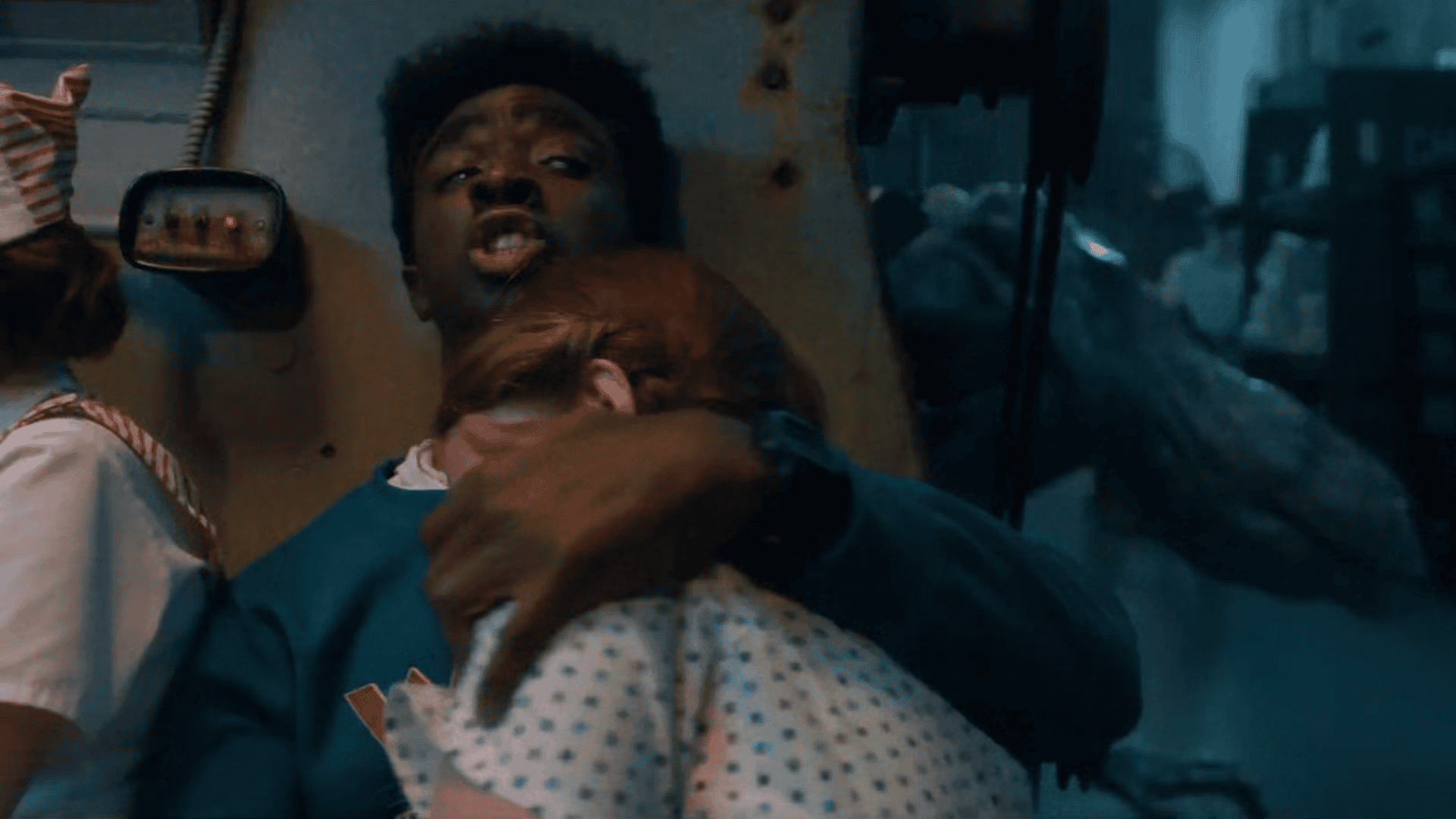
The show’s success illustrates how storytelling, marketing, and fan engagement intersect. Its narrative complexity gave fans reasons to return, while the 80s references provided a cultural hook that spread like wildfire online. Memorable moments such as Eleven shutting doors with her telekinesis, Dustin shouting “You’re my brother, Mike!” or the Hellfire Club’s Dungeons & Dragons sessions sparked countless memes and GIFs. The show’s creators wisely cultivated this engagement by embedding Easter eggs and references that rewarded both casual viewers and hardcore fans.
This approach to measuring demand and success signals a larger trend in digital entertainment. It highlights how shows can cultivate global influence even without traditional broadcast metrics, emphasizing the importance of social resonance, cultural currency, and the ability to inspire conversation among fans. Stranger Things became a case study in digital-era dominance, a blueprint for how series could leverage streaming platforms, fan engagement, and nostalgia to become cultural juggernauts.
While analytics measured viewership and engagement, the true story of Stranger Things lies in its cultural impact. By 2017, the show had permeated mainstream consciousness, influencing fashion, music playlists, Halloween costumes, and even academic discussions. Fans didn’t simply watch; they interacted, dissected, and celebrated every moment of the series.
For example, the series’ revival of the 1980s aesthetic brought Eggo waffles back into cultural relevance, with merchandise selling out and social media accounts dedicated to Eleven’s favorite snack. The retro soundtrack, featuring artists like The Clash, Joy Division, and Toto, reintroduced classic tracks to a new generation, while simultaneously enriching the narrative world of Hawkins.
Beyond aesthetics, Stranger Things inspired fan theories that rivaled professional speculation. Who was the true mastermind of the Upside Down? Could Eddie Munson return? What would happen to the Hawkins gang in Season 5? These discussions transcended forums and Reddit threads, infiltrating Twitter timelines, TikTok content, and YouTube deep dives. The show encouraged a participatory culture, where fans felt empowered to predict, interpret, and even co-create the narrative in a social sense.
The series also became a global touchpoint for conversations about friendship, bravery, and resilience. Characters like Eleven, Mike, Dustin, Lucas, and Will became archetypes of courage and loyalty, offering a lens through which audiences could explore human emotion against a backdrop of fantastical horror. In doing so, Stranger Things demonstrated the unique power of digital originals to create both entertainment and communal storytelling experiences.
The recognition by Guinness World Records in 2019 cemented the show’s status as a landmark series. Accolades validated fan enthusiasm while amplifying its cultural footprint, demonstrating that streaming series could achieve mainstream legitimacy. This recognition also underscored how Stranger Things bridged generational divides, appealing equally to nostalgic adults and new viewers discovering Hawkins for the first time.
As the series approached its fifth season in 2025, anticipation and speculation reached fever pitch. Fans are not merely looking for closure to the narrative but are eager to see how the show continues to redefine digital entertainment, maintain its cultural relevance, and push boundaries of storytelling in a world where streaming metrics increasingly dictate success.
The Duffer Brothers, understanding this phenomenon, have skillfully navigated fan expectations while preserving creative freedom. Their commitment to narrative consistency, coupled with engagement with fan theories and Easter eggs, demonstrates a keen understanding of what makes digital originals thrive. Stranger Things has become more than a show; it’s an ecosystem of culture, fandom, and digital media innovation.
The trajectory of Stranger Things illustrates the evolution of television in the streaming era. By 2017, it had moved beyond traditional ratings, leveraging digital analytics to cement itself as the most in-demand series. Its mix of heartfelt storytelling, supernatural suspense, and nostalgia-fueled aesthetics created a global cultural phenomenon.
Looking ahead to Season 5, the stakes are higher than ever. The show must balance fan expectations, unresolved character arcs, and the evolving landscape of digital streaming. However, the foundation built through careful casting, meticulous storytelling, and savvy engagement with its audience ensures that Stranger Things remains at the forefront of popular culture.
From Eleven’s telekinetic heroics to the terrifying presence of the Upside Down, the series continues to offer an immersive experience that blends entertainment, nostalgia, and emotional resonance. Fans remain deeply invested, ready to analyze, celebrate, and theorize about every plot twist, ensuring the show’s cultural impact endures far beyond any single season.
Ultimately, the legacy of Stranger Things lies in its ability to unite audiences through shared experiences. Its recognition as the most in-demand digital original series in 2017 was a milestone, but its enduring power comes from the emotional connections it fosters. As November 2025 approaches, the world will once again gather to explore Hawkins, face the horrors of the Upside Down, and celebrate the series that transformed digital streaming forever.