When Netflix greenlit Stranger Things in 2015, the show was a blank canvas filled with possibilities, but the Duffer Brothers, Matt Duffer and Ross Duffer, knew that the cast would carry the heart of the story. Casting became more than just filling roles; it became a critical element of character development itself. The process began before final scripts were completed, allowing the actors’ personalities and instincts to inform the characters they would eventually embody.
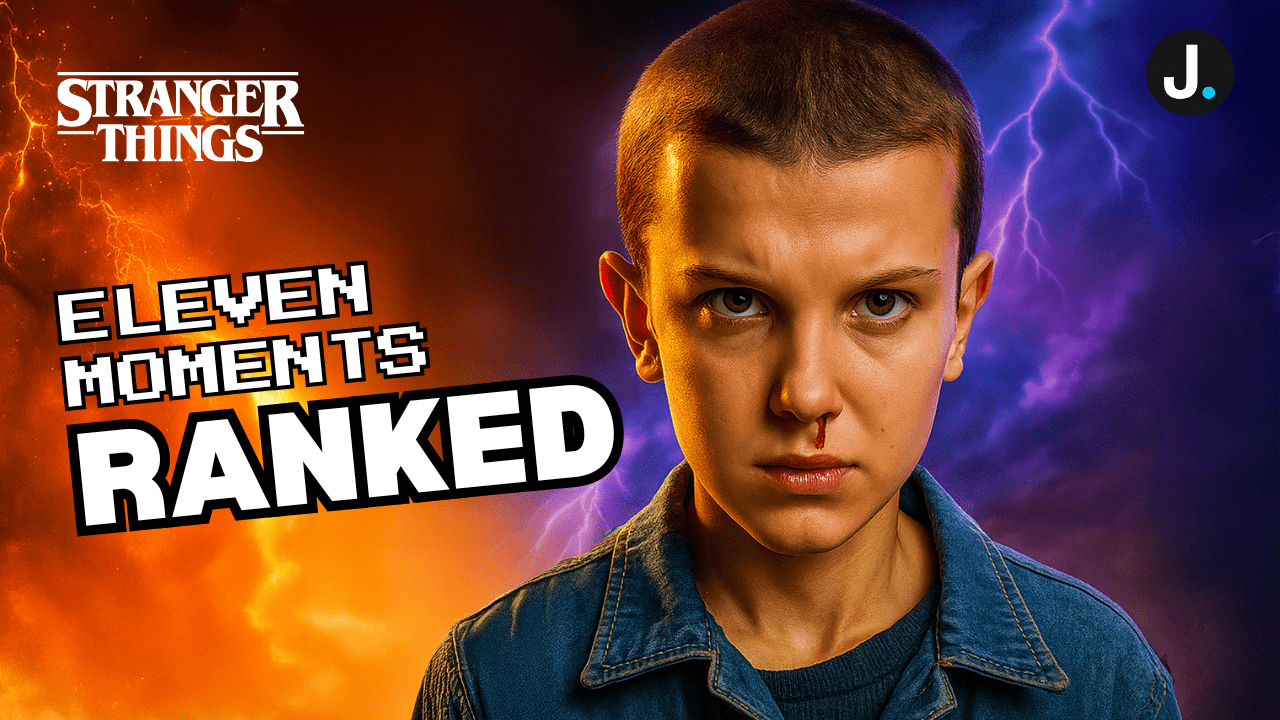
For instance, Millie Bobby Brown, cast as Eleven, brought a quiet intensity that became the foundation of the character’s mystique. Rather than adhering strictly to pre-written traits, Brown infused Eleven with a vulnerability and determination that were entirely her own. This spontaneity resonated with the Duffer Brothers, prompting rewrites and adjustments that allowed her character to grow organically. The same principle applied to other young stars like Finn Wolfhard (Mike Wheeler), Gaten Matarazzo (Dustin Henderson), Caleb McLaughlin (Lucas Sinclair), and Noah Schnapp (Will Byers).
Ross Duffer remarked in an interview, “We started casting before we had the final drafts of the scripts. That allowed the kids to become a part of the creative process, shaping how their characters moved through the world of Hawkins.” In essence, the actors became co-creators, influencing dialogue, behaviors, and even the emotional arcs of their roles.
This collaborative approach created characters whose personalities mirrored real childhood dynamics. The interactions between the friends, the way they argued, laughed, and strategized against otherworldly threats, felt genuine. This authenticity became one of the show’s defining traits, drawing viewers in with relatable friendships that contrasted with the supernatural horrors surrounding them.
Matthew Modine and the Evolution of Dr. Brenner
While the young cast shaped the heart of Hawkins, the adult characters had their own influence on the narrative, particularly Matthew Modine, who portrayed the enigmatic Dr. Martin Brenner. Initially, Brenner was a tricky character for the Duffers to fully realize. He appeared sporadically, and his ambiguous morality made him difficult to anchor in the storyline. However, Modine’s interpretation added layers of complexity that the script alone could not capture.
Through conversations and collaborative input, Modine suggested adjustments that highlighted Brenner’s duality—his paternal concern for Eleven clashing with his ethical compromises at Hawkins Laboratory. These nuances led the Duffer Brothers to expand Brenner’s thematic significance, exploring the moral consequences of scientific experimentation and authority.
Modine’s influence also shaped visual storytelling. From his calm, clinical demeanor to subtle gestures that suggested deeper motives, Brenner became more than a plot device; he embodied the ethical dilemmas at the core of the Upside Down saga. This approach gave the audience a character they loved to hate, and whose presence lingered across seasons even when absent from scenes.
The synergy between actor and writer for Brenner exemplifies how collaborative processes elevate television. Rather than being rigidly confined to the script, the character became a living, breathing participant in Hawkins’ complex ecosystem. This dynamic allowed Modine to leave an indelible mark on the series, demonstrating the power of actor input in shaping compelling storytelling.
The casting process for Stranger Things demonstrates a principle often overlooked in television: the most memorable characters emerge from collaboration. The Duffer Brothers intentionally sought actors whose personalities could inform the narrative, resulting in characters that felt organic and lived-in.
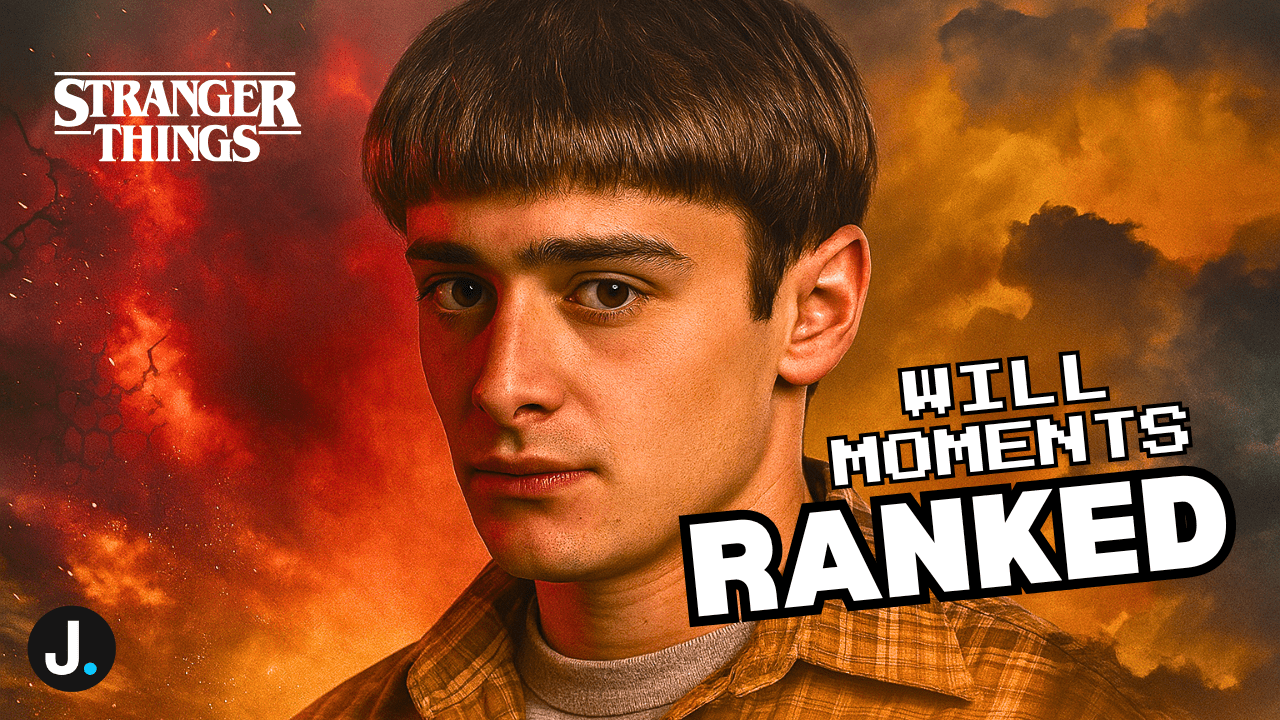
Consider the contrast between Will Byers and Mike Wheeler. While the script outlined their friendship, the actors’ chemistry added subtle tensions and playful banter that felt spontaneous. Noah Schnapp’s portrayal of Will captured both vulnerability and resilience, leading the Duffers to heighten his emotional arcs in ways that aligned perfectly with Eleven’s journey. Similarly, Finn Wolfhard’s natural leadership and occasional impulsiveness influenced Mike’s decisions, particularly in pivotal confrontations with the Demogorgon.
Beyond the children, adult actors influenced narrative texture. Winona Ryder’s portrayal of Joyce Byers grounded the supernatural chaos with raw emotion, creating a believable bridge between real-world trauma and Upside Down horrors. Ryder’s ability to express fear, hope, and determination informed how other characters reacted, resulting in interactions that were both tense and heartfelt.
This collaborative spirit extended beyond performance. Actors offered input on dialogue, timing, and character reactions, subtly altering scenes to better reflect their interpretations. These contributions fostered a creative feedback loop where writing and acting evolved simultaneously. The outcome was a series with characters that felt authentic, whose relationships mirrored both the joys and struggles of real childhood friendships, layered with complex adult interactions.
Fans quickly noticed these dynamics. Social media and fan forums celebrated the cast’s chemistry and depth, speculating on how unscripted interactions may have influenced key plot points. For instance, Eleven’s telekinetic powers often interacted with character-driven moments, such as Mike’s protective instincts, creating scenes that blended supernatural tension with genuine emotional resonance.
By embracing actor influence, Stranger Things Season One established a blueprint for immersive storytelling. Characters became more than lines on a page—they reflected collaborative creativity and lived experiences. The series’ ability to balance nostalgic horror with authentic emotion can be traced directly to this approach, showing how casting decisions ripple through every aspect of production.
The resonance of this collaborative method extends far beyond the initial season. Fans engage deeply with characters because they feel authentic, not overly polished or artificial. Eleven’s quiet intensity, Mike’s stubborn loyalty, Dustin’s humor, and Lucas’s pragmatism are all heightened by the actors’ input. These traits, influenced by casting choices, created a feedback loop between viewers and creators, with fan reactions helping to shape subsequent storylines.
The legacy of these collaborative efforts is evident in how Stranger Things has influenced the broader television landscape. Shows now increasingly involve actors in character development early in production, recognizing the value of personal insight and chemistry. The success of Stranger Things illustrates that collaborative storytelling can enhance narrative depth, emotional engagement, and fan loyalty, ultimately contributing to long-term cultural impact.
As Season Five approaches, the seeds planted during Season One continue to flourish. Fans anticipate not only plot resolution but also the culmination of character arcs that were shaped collectively from the very beginning. This awareness adds another layer of excitement: understanding that each reaction, decision, and relationship in Hawkins was shaped by more than writers alone—actors, casting decisions, and chemistry all played a role.
Stranger Things stands as a case study in how collaboration, thoughtful casting, and actor influence can elevate a series from entertaining to iconic. Characters are compelling because they feel real, not contrived, and audiences connect emotionally with their triumphs, fears, and quirks. The storytelling brilliance of the series emerges from this careful orchestration of talent, vision, and collaboration, a combination that makes Hawkins a town worth visiting repeatedly, episode after episode.